Logo
Get Estimate

Attic Mold Inspection Raleigh NC: Find the Source

Clear answers for homeowners facing attic moisture or mold


Attic Mold Inspection Raleigh NC helps you locate visible or hidden growth, track moisture to its source, and decide what to do next. We inspect roof framing, sheathing, insulation, ventilation, and access points for Raleigh homeowners dealing with musty odors, a roof leak, or unexplained indoor symptoms. You get straightforward findings, photographs where useful, and a practical plan based on what we observe.

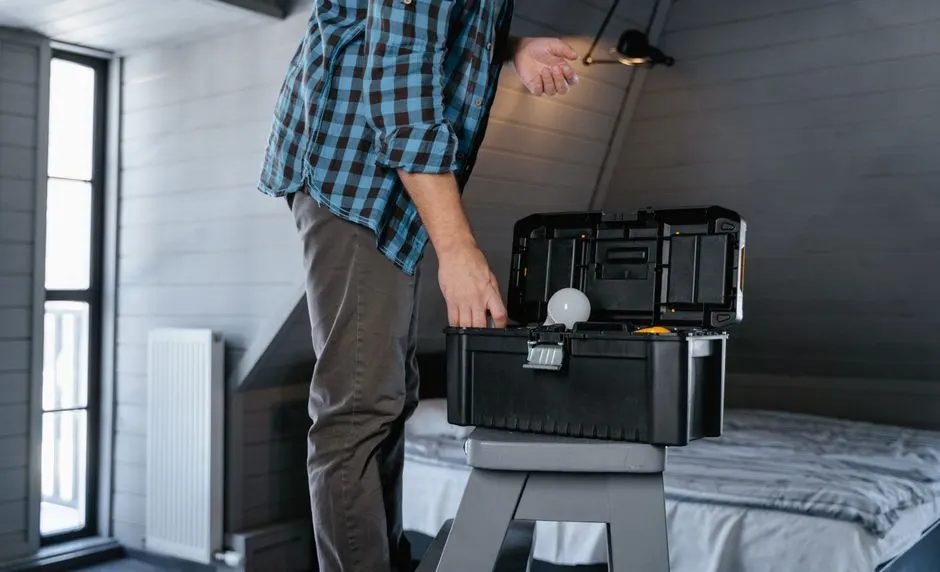
Person in plaid shirt fixing a light bulb using a toolbox in a rustic attic interior.
Licensed Licensed & Bonded
Fully Insured Insured & Bonded
24/7 Emergency Same-Day Response
Warranty Backed Workmanship Guaranteed in Raleigh

What Attic Mold Inspection Includes

Attic Mold Inspection Raleigh NC covers accessible roof-space conditions related to suspected mold and moisture. We review visible surfaces, moisture indicators, ventilation details, and likely water-entry points, then explain what the evidence supports. Laboratory sampling, extensive concealed-space investigation, and repair or remediation work are separate services when needed; we recommend them only when they answer a defined question or address a confirmed condition.

Accessible Attic Review

We inspect reachable roof sheathing, rafters, trusses, insulation surfaces, vents, and penetrations for visible growth, staining, and water damage. We note access limitations clearly, so you know which areas were examined and which remained concealed or unsafe to enter.

Moisture Screening

We use suitable moisture meters on selected wood and compare readings with nearby reference areas. This helps show whether materials are damp at the time of inspection, while recognizing that readings vary by material, temperature, and location.

Source Investigation

We follow observable clues toward roof leaks, condensation, or ventilation issues, checking flashing areas and penetrations where accessible. You receive a practical explanation of likely pathways and which repair trade should take the next look.

Findings and Next Steps

We summarize observations, relevant readings, and any recommended follow-up in clear language. If sampling is appropriate, we explain its purpose and collection location. You can use the information to coordinate roof repair, additional testing, or remediation.

Attic Mold Inspection Raleigh NC: What We Check


Attic Mold Inspection Raleigh NC is a building assessment that checks attic materials for visible mold, moisture conditions, and likely water sources when growth or musty odors are suspected. We examine accessible roof sheathing, rafters, trusses, insulation surfaces, vents, flashing areas, and plumbing penetrations. A pinless moisture meter helps screen broad areas without damaging material; a pin-type meter can confirm readings in selected wood. We record where conditions occur and whether the evidence points to a leak, condensation, or another moisture source.

Raleigh's humid summers, wind-driven rain, and cool winter nights can expose weak ventilation or roof details, especially after a storm or repair. If you see dark staining or smell mustiness, a Raleigh attic mold assessment can separate active moisture from old discoloration. We use a thermal imaging camera to identify temperature patterns for follow-up, not as proof of mold by itself. For an attic mold assessment after a roof leak Raleigh homeowners receive a focused review of the affected area and nearby materials.

How the Inspection Works

Attic Mold Inspection Raleigh NC follows a practical sequence: understand the history, inspect safely, measure suspicious conditions, and explain the result. We coordinate access with you before entering the attic and keep the visit focused on evidence. Most straightforward inspections take about 1.5 to 3 hours, depending on access and attic size.

01

Schedule

Call or book online — a real human picks up and confirms a 2-hour arrival window.

02

Diagnose

Licensed tech inspects on-site, then walks you through the cause and your options.

03

Fix

The job is completed to code and done right the first time — no shortcuts, no surprises.

04

Guarantee

Every job backed by a written workmanship warranty — and we stand behind it.

Tools and Inspection Methods

Tools & Equipment

Pinless moisture meter

We scan larger accessible areas of wood and other compatible materials without making contact marks. Comparisons between suspect and reference areas help us locate patterns that need closer checking.

Pin-type moisture meter

We use contact pins to check selected wood when a more localized reading is useful. Results are interpreted in context of the material, temperature, and nearby readings rather than as a stand-alone mold verdict.

Thermal imaging camera

A thermal camera identifies temperature patterns that can guide closer inspection for possible air leakage, moisture, or insulation differences. We verify any concern with direct observation or measurements; the image alone does not identify mold.

Hygrometer

We record temperature and relative humidity in the attic during the visit. These conditions help explain condensation risk and provide context for what we observe on roof sheathing and framing.

Borescope

Where a small opening or existing access allows, a borescope can help view a concealed cavity without broad removal. It provides a limited visual view and does not replace inspection of inaccessible materials.

Methods & Standards

Moisture pathway tracing

We start at the visible stain or damp area and follow accessible roof details toward possible entry points, including penetrations, flashing, and ventilation connections. Readings from multiple locations help establish whether a condition is localized or extends beyond the obvious mark. We record limitations where materials are concealed.

Targeted surface sampling

When a surface's identity is uncertain and the result could affect next steps, we collect a sterile swab or tape-lift sample from a defined location. Samples are labeled and handled for laboratory review. We explain that a sample represents the collected spot, not every surface in the attic.

Contextual environmental review

We consider attic temperature, relative humidity, ventilation, and building use alongside visible conditions. EPA mold guidance informs practical assessment, while no single humidity or moisture reading proves mold. The goal is to identify conditions that support growth and distinguish them from a finding that needs laboratory confirmation.

Photographic condition documentation

We document relevant accessible conditions with location notes so you can understand where staining, suspected growth, or moisture readings occurred. Photographs help a roofer or remediation provider locate the issue, but they are interpreted with measurements and observations rather than used as standalone proof.

When to Inspect Your Attic

01

A Raleigh storm drives rain beneath shingles, leaving a ceiling mark and musty odor the following week.

What we do: Once the active leak is controlled, we inspect the attic above the stain and nearby roof framing. We look for water paths, damp materials, and visible growth, then compare selected moisture readings. If the source is still uncertain, we identify the area a roofer should examine.

→ You learn whether accessible materials remain wet, what needs repair, and whether further mold testing would answer an outstanding question.

02

A North Raleigh home buyer sees dark roof sheathing during a pre-purchase walk-through.

What we do: We review the accessible attic, check whether staining is accompanied by current moisture, and examine ventilation and penetrations. We document the areas viewed and explain where access was limited, so your follow-up questions are based on observed conditions rather than assumptions.

→ You get a clearer basis for discussing repairs, additional testing, or monitoring before committing to a purchase.

03

A homeowner notices condensation and recurring marks near a bathroom exhaust duct in winter.

What we do: We inspect the duct termination, nearby roof sheathing, and surrounding insulation for moisture patterns. A hygrometer helps record the attic's relative humidity during the visit. We explain whether the evidence points toward humid exhaust, a roof entry, or another condition needing trade follow-up.

→ You can direct the right correction and reduce the chance that the same moisture pattern returns unnoticed.

04

A repaired leak left a lingering odor above an Oakwood bedroom, but the ceiling is now dry.

What we do: We inspect the attic side of the affected area and adjacent framing rather than relying on the room's dry surface alone. We check accessible materials for moisture and visible residue, then discuss sampling if appearance cannot answer the remaining concern.

→ You receive a focused assessment of the roof-space area and a practical next step for repair, cleanup, or follow-up.

How Attic Inspections Work in Raleigh

Raleigh attic conditions shift with humid summers, rain events, and winter temperature swings. Warm indoor air can reach a cool roof deck through gaps around lights, ducts, or attic hatches; condensation may then appear even when shingles are intact. We inspect ventilation paths and roof penetrations as well as the stained area, because repairing only the visible mark can leave the moisture source in place. A Raleigh attic moisture and mold check also accounts for varied home layouts, from older roof assemblies near Five Points and Oakwood to newer construction with different insulation and ventilation details. If you need an attic mold assessment after a roof leak Raleigh homeowners can use our findings to coordinate roof repair before cleanup or insulation replacement. We work across Wake County, including ZIP codes 27617, 27616, and 27615, and serve Raleigh, NC. We do not treat a temperature image or one moisture reading as a diagnosis; accessible evidence, sampling when useful, and the building's history guide the conclusion.

Neighborhoods We Serve

  • Five Points

    Older and remodeled homes can have mixed roof details and ventilation updates. We pay close attention to additions, roof intersections, and attic access when tracing a stain.

  • North Raleigh

    Larger roof areas and varied attic layouts can make access and inspection time differ from one home to another. We focus readings around the reported leak and nearby framing.

  • Oakwood

    Historic homes may combine original materials with later roof repairs. We document accessible conditions carefully and distinguish current moisture evidence from old surface discoloration.

  • Downtown Raleigh

    Renovations and additions can create changes in roof geometry and ventilation. We inspect transitions and penetrations where water or humid air can collect.

Local Conditions We Plan For

  • Humid summer air meets cooler attic surfaces

    Moisture can condense on roof sheathing when humid air enters a cooler attic. We check ventilation and air pathways, then compare suspect surfaces with nearby areas to understand whether conditions appear localized.

  • Wind-driven rain tests roof transitions

    Rain can enter around flashing, valleys, or roof penetrations and travel before leaving a visible ceiling mark. We trace accessible staining upward and identify the location a roofing contractor should inspect.

  • Bathroom exhaust discharges into roof space

    A duct that ends in the attic can release warm moisture near framing or sheathing. We look for localized staining and condensation patterns and document any accessible duct connection that needs correction.

After a Roof Leak

Before

A homeowner found a ceiling stain after a storm and had the roof patched, but the attic still smelled musty. The visible mark was above one bedroom, while the condition of nearby sheathing and insulation was unknown. Without checking the roof-space side, the household could not tell whether materials had dried or whether the leak reached farther.

After

We inspected the accessible area above the stain, compared moisture readings at several points, and documented the affected section for the roofer. The review identified the area needing follow-up and separated dry adjacent wood from the suspect zone. The owner had a clear repair sequence instead of replacing insulation across the entire attic.

Maintenance: After the roof repair, recheck the affected area within 7 to 14 days and after the next heavy rain. Keep the attic hatch sealed, and confirm any bath fan duct exhausts outdoors. If odor or dampness returns, arrange a focused follow-up.

Before

A buyer saw dark patches on roof sheathing in a North Raleigh home and worried that the entire attic needed remediation. The seller had no clear record of when the staining appeared. A visual glance from the hatch could not show whether the material was currently damp or whether the marks were limited to one roof section.

After

The inspection covered accessible stained and reference areas, checked selected wood for moisture, and reviewed nearby ventilation details. Findings showed which locations required additional attention and which appeared dry during the visit. The buyer could request a targeted roofing review rather than assume every dark mark represented active growth.

Maintenance: Keep the inspection notes with purchase and repair records. Ask the roofer to document any corrected entry point, then check for new staining after significant rain. If the area changes or odor develops, compare it with the original documented locations.

Before

A homeowner noticed recurring specks near a bathroom exhaust duct each winter. There was no obvious roof leak, but the fan ran daily and the attic felt humid. The surface marks returned after cleaning, leaving the homeowner unsure whether a duct problem or roof defect was feeding moisture into the space.

After

We examined the duct termination, nearby sheathing, and surrounding framing, then recorded attic temperature and humidity. The pattern was concentrated near the exhaust route, giving the homeowner a specific ventilation correction to discuss with a qualified contractor. The inspection also documented areas that did not show the same moisture signs.

Maintenance: After correcting the duct route, run the fan during showers and for about 20 minutes afterward. Check the nearby sheathing at the next seasonal inspection, especially after cold nights. New staining or a musty odor calls for another moisture check.

Solve Attic Mold Concerns After a Leak

A stain, odor, or patch of suspected growth is a clue, not a complete diagnosis. In Raleigh homes, roof leaks and condensation can affect different materials and require different fixes. We inspect the evidence, check accessible moisture conditions, and help you identify the next trade or test that fits the problem.

Problem

Musty odor persists after a roof leak was repaired

Odor can remain when insulation or framing stayed damp, or when the original water path was not fully corrected. Covering it with paint does not address the source.

Our Fix

We inspect the reported leak area and surrounding roof assembly for visible staining, moisture, and related growth. A pin-type meter can check selected wood, while a hygrometer records attic conditions. We explain whether the area appears dry, needs monitoring, or warrants targeted sampling or a roofer's follow-up.

Problem

Dark roof sheathing appears without a known leak

Discoloration may reflect old conditions, active mold, or repeated condensation; assuming the wrong cause can lead to unnecessary removal or missed moisture.

Our Fix

We compare the appearance with nearby materials, ventilation paths, and moisture readings. Thermal imaging can point to temperature differences for closer inspection, but we verify findings directly. You get an explanation of what is visible and whether the evidence supports further testing.

Problem

Bathroom fan or duct may be adding attic moisture

Warm, humid exhaust entering a cool attic can wet roof surfaces over time, especially during colder weather, and leave recurring spotting near the outlet.

Our Fix

We check accessible fan ducts and nearby sheathing for signs of moisture or condensation. If the duct terminates inside the attic or leaks at a joint, we document the location for correction. The inspection distinguishes that ventilation issue from a roof leak when evidence allows.

Problem

Buyer needs clarity on prior attic staining

Unresolved staining can complicate a purchase decision, especially when the seller's records do not show whether a leak was repaired or materials dried.

Our Fix

We inspect accessible stained areas, compare moisture readings with surrounding wood, and note visible conditions. If a sample or roofing evaluation is warranted, we explain why. You receive focused findings that help direct questions and repair planning before the property decision.

What You Gain From an Inspection

What You Gain From an Inspection

A useful inspection answers more than whether a dark patch looks suspicious. We connect the visible condition to moisture readings, building details, and likely entry points so you can choose a measured next step. You leave knowing what needs attention now and what can be monitored.

  • Locate Moisture Sources

    We trace staining and damp materials toward likely causes such as roof penetrations, blocked ventilation, or condensation. Readings from multiple points give you a comparison rather than one isolated number. If a leak has affected a limited section, we identify the boundaries we can access and explain what should be repaired before any cleanup begins.

  • Separate Growth From Stains

    Dark marks on roof sheathing do not automatically establish active mold. We consider texture, spread, nearby moisture, and the condition of surrounding wood, then recommend sampling only when it answers a useful question. This helps you avoid treating every discoloration as the same problem and gives a buyer or homeowner a clearer record.

  • Get Actionable Findings

    You receive a plain-language explanation of observed conditions, locations, and practical priorities. If sampling is appropriate, we explain what was collected and how the result relates to the inspection. A Raleigh attic mold inspector can help you distinguish an urgent moisture repair from a condition that needs further evaluation.

  • Protect Repair Decisions

    A documented attic review can help you coordinate roofing, insulation, or remediation work around the actual source instead of guessing. We note accessible evidence and conditions that need trade follow-up. That record is useful after a leak, before a property purchase, or when you need to explain why a specific area requires attention.

Inspection Standards and Evidence

Licensed & Certified

  • ACAC Council-certified microbial investigator credentials — issued by American Council for Accredited Certification
  • IICRC Applied Microbial Remediation Technician certification — issued by Institute of Inspection, Cleaning and Restoration Certification
  • IICRC Water Restoration Technician certification — issued by Institute of Inspection, Cleaning and Restoration Certification
  • AIHA Laboratory Accreditation Programs accreditation — issued by AIHA Laboratory Accreditation Programs

Verified Reviews

Google ★★★★★4.9

After finding a musty smell in our attic, we wanted someone to explain the evidence, not just point at a stain. The inspector checked the roof area, took moisture readings, and showed us where the concern began. The notes made it much easier to coordinate the roof repair.

Google ★★★★★4.9

We arranged an attic inspection before buying a house in Raleigh. The findings explained which dark areas were dry during the visit and which section deserved a roofer's attention. Clear, useful information without pressure to approve unnecessary work.

Yelp ★★★★★4.8

A repaired leak left us worried about mold above the bedroom. The inspection focused on the affected framing and nearby materials, then gave us sensible next steps. We appreciated the straightforward explanation of what the readings could show and what they could not.

Attic Inspection Expertise

Attic Mold Inspection Raleigh NC requires building-science judgment as well as careful observation. Our team looks at how roof water, indoor humidity, ventilation, and insulation interact instead of treating a stain as a complete diagnosis. We follow EPA mold guidance for practical assessment and use suitable protective practices when entering affected spaces. Where sampling is warranted, we select a method that fits the question and use laboratories with relevant accreditation. We explain the evidence in plain language, including limits of access and what a single reading or sample can establish.

  • We evaluate roof sheathing, framing, insulation, soffit and ridge ventilation, flashing, and penetrations as connected parts of the moisture pathway.
  • ACAC Council-certified microbial investigator credentials support relevant investigation training when held by the assigned professional.
  • We use moisture readings comparatively, checking dry reference areas instead of treating one reading as a universal pass-or-fail threshold.
  • Sampling choices are tied to a defined question, with AIHA Laboratory Accreditation Programs or ISO/IEC 17025 accreditation considered for laboratory suitability.
  • Our technicians use personal protective equipment and follow OSHA respiratory protection requirements appropriate to the work conditions.
Get Started Today
Attic Inspection Expertise

Attic Mold Inspection Questions

Real answers to the questions we hear most often from local homeowners and property managers.

How much does an attic mold inspection cost in Raleigh?
A focused attic inspection often costs about $250 to $650 in Raleigh, depending on access, size, and whether sampling is added. Typical 2026 pricing reflects time spent inspecting roof framing and moisture pathways; laboratory analysis can add roughly $75 to $150 per sample. We explain the price before work begins. A Raleigh attic mold assessment is most useful when it answers a specific question, such as whether a leak left damp materials or whether suspicious growth needs laboratory identification.
What causes mold in Raleigh attics?
Roof leaks, humid indoor air, and inadequate ventilation are common causes of attic mold in Raleigh. Moist air can condense on cooler roof sheathing, while failed flashing or storm-damaged shingles can introduce liquid water. Bath fans that exhaust into an attic also add moisture. We check for visible mold growth, water intrusion through roofs or walls, elevated humidity, and condensation patterns, then explain which conditions are supported by the evidence and which need a roofing or ventilation contractor.
When should I book an attic mold assessment in Raleigh NC?
Book an assessment within a few days of noticing a musty odor, visible growth, or damp attic materials, and promptly after an active leak is stopped. An attic mold inspection near me Raleigh NC search is especially relevant after storm damage, before buying a home, or when stains return after repainting. We inspect the affected area and adjacent framing, then help you prioritize repairs. If water is still entering, arrange roof repair first or at the same time.
Can an attic inspection identify roof leaks and moisture?
Yes, an attic inspection can identify visible leak evidence and measure moisture in accessible materials, but it cannot guarantee the source of every concealed leak. We check staining, roof penetrations, flashing areas, and selected wood readings, then use temperature patterns as clues for direct follow-up. A thermal image alone does not confirm mold or a leak. If conditions point to a roofing defect, we document the location for a roofer to investigate and repair.

Related Raleigh Services

Residential Mold Inspection

A whole-home inspection checks rooms below the attic and other areas where moisture or musty odors appear. We connect indoor observations with attic findings, helping you understand whether a roof-space concern is isolated or part of a wider moisture pattern.

View Residential Mold Inspection

Commercial Mold Inspection

For Raleigh offices and commercial properties, we inspect affected spaces and relevant building systems with attention to occupant concerns and operational needs. Attic observations can help explain staining or odor below a roof assembly and support a practical sequence for investigation.

View Commercial Mold Inspection

Mold Testing and Sampling

When visual inspection cannot answer whether suspect material contains mold, targeted collection can add useful evidence. We select swab, tape-lift, or air sampling according to the question, document locations, and explain how laboratory results relate to observed attic conditions.

View Mold Testing and Sampling

Air Quality Testing for Mold

If attic odors or suspected growth coincide with concerns in living areas, air testing may help compare indoor conditions with an appropriate reference. Sampling is not a substitute for finding moisture; we interpret results alongside the attic inspection and visible building evidence.

View Air Quality Testing for Mold

Surface Mold Testing

Surface sampling can help identify growth on accessible roof sheathing or framing when visual appearance is inconclusive. We collect from a defined spot and describe the sample's limits, so you can use the result alongside moisture readings and inspection notes.

View Surface Mold Testing

Indoor Air Quality Assessment

A broader indoor assessment considers humidity, odors, ventilation, and other conditions beyond the attic. If a roof-space issue affects rooms below, we can help determine whether the concern appears localized or warrants checking additional parts of the home.

View Indoor Air Quality Assessment

Book Attic Mold Inspection Raleigh NC

A musty attic, roof leak, or suspicious stain deserves a clear answer before repairs are covered up. Call Raleigh Mold Testing at +18668968166 to discuss the issue and arrange an inspection. We explain upfront pricing before work begins.

Call Our Team Schedule Inspection

Contact Raleigh Mold Testing

Tell us what you noticed, where it is happening, and whether there has been a recent leak or cleanup. Call +18668968166 to discuss Mold Inspection and Testing in Raleigh, NC. Our phone line is open Monday through Friday, 08:00 to 18:00; we respond during business hours and help you identify the right next step for your property.

Or call us right now at +18668968166 — we answer.

Raleigh Mold Testing


  • Phone

    +18668968166
  • Address

    Raleigh, North Carolina

  • Hours

    Mon–Fri: 7AM – 7PM
    Sat: 8AM – 4PM
    Sun: Emergency Only
    24/7 Emergency Available

Call +18668968166 Get Quote
Call Quote