01
A Raleigh homeowner sees a spreading mark on drywall beneath a window after winter condensation.
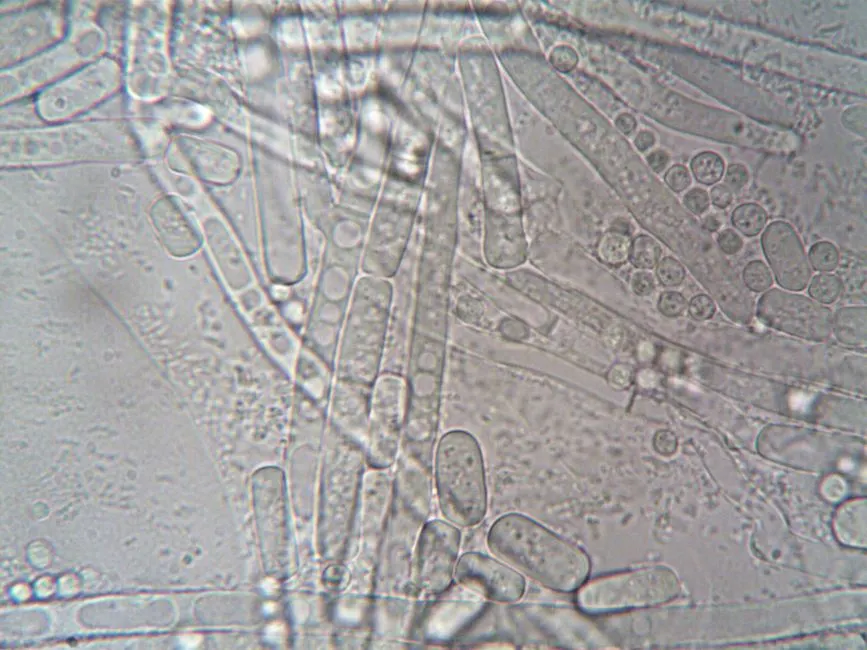
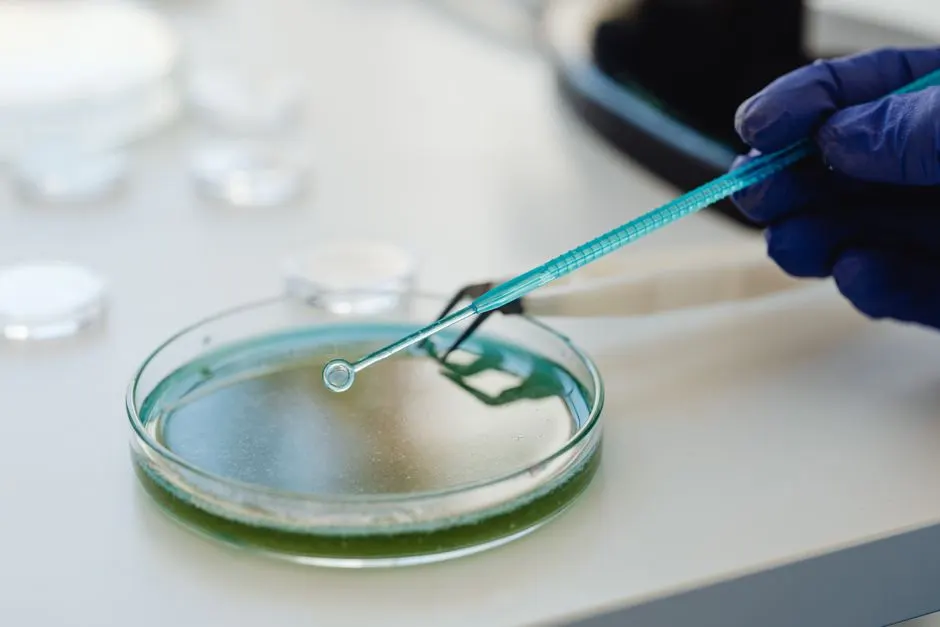
What we do: We inspect the window area and wall, compare moisture readings across the affected and nearby material, and sample the visible mark if identification is useful. We also note condensation conditions that could explain recurring dampness, so the next step addresses both the sample finding and the moisture pattern.
→ You receive a documented result tied to the wall location, plus clear direction on whether to correct condensation, investigate water entry, or arrange further inspection.
02
A rental unit has a musty cabinet after a sink connection leaked into the wall.
What we do: We check accessible cabinet and wall surfaces, look for remaining damp material, and collect a targeted sample where suspected growth is visible. The location record helps the landlord coordinate repairs and keep the testing result connected to the tenant's report.
→ The property manager can distinguish a documented surface concern from a separate hidden-moisture question and plan a focused repair response.
03
A buyer notices old staining in an Oakwood home and wants a surface checked before closing.
What we do: We review the stained material and the surrounding area, ask about known water history, and check for moisture evidence. If a sample can answer the buyer's identification question, we collect it and explain what the result can and cannot establish about concealed spaces.
→ The buyer gets a location-specific finding and a practical basis for deciding whether the stain needs repair, more investigation, or no additional action.