Logo
Get Estimate

Residential Mold Inspection Raleigh NC for Your Home

Find hidden moisture, understand the risk, choose next steps


Residential Mold Inspection Raleigh NC helps homeowners track down visible growth, musty odors, and moisture hidden behind finishes. We inspect homes across Raleigh, North Carolina, and explain what the evidence means in plain language. If a leak, flood, or recurring condensation has left you unsure what is happening, our team checks affected areas and helps you decide whether sampling or further investigation is useful.

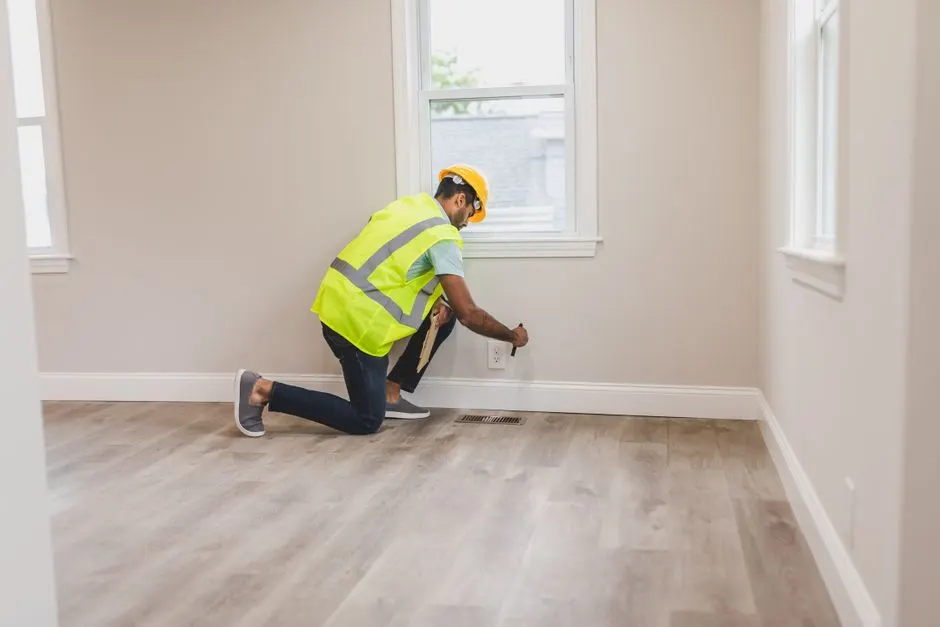
A home inspector in high visibility vest examines an electrical outlet in a modern room.
Licensed Licensed & Bonded
Fully Insured Insured & Bonded
24/7 Emergency Same-Day Response
Warranty Backed Workmanship Guaranteed in Raleigh

What Your Home Inspection Includes

A Residential Mold Inspection Raleigh NC covers a review of your concern, visual examination of accessible areas, moisture checks, and documented findings. We discuss whether sampling adds useful information before collecting it. Laboratory sampling, destructive opening of concealed assemblies, and remediation are separate work; when evidence points beyond visible areas, we explain the appropriate next step instead of implying that an inspection can see through finished walls.

Concern and History Review

We ask when the odor, stain, or growth began, whether water entered the home, and what repairs have already been tried. Your answers help focus the inspection on relevant rooms and connected materials. We note the reported history so findings are understood in context.

Visual Condition Check

We inspect accessible surfaces for visible mold growth, water staining, condensation, and signs of prior repair. Areas may include bathrooms, kitchens, utility spaces, attic access, and affected rooms. We document relevant observations and identify locations that need moisture measurements or closer attention.

Moisture and Humidity Readings

We use suitable meters to compare materials and record room humidity where it helps explain conditions. Readings are tied to specific locations and interpreted with material type and visible evidence. You can see which areas were checked and where follow-up drying or leak investigation is recommended.

Targeted Sampling Discussion

When inspection findings leave a meaningful question, we explain the available air or surface sampling options. We document collection locations and methods, then relate laboratory results to the home conditions observed. Sampling is not a substitute for finding and correcting the water source.

Findings and Action Summary

You receive a clear summary of inspected areas, observed moisture concerns, and any sample results. Recommendations identify practical priorities such as stopping water entry, drying materials, improving ventilation, or seeking remediation. The report is designed to help you make the next decision without decoding technical shorthand.

Residential Mold Inspection Raleigh NC: What We Check


Residential Mold Inspection Raleigh NC is a home inspection service that evaluates visible mold concerns, moisture conditions, and likely sources of water intrusion so homeowners can choose informed next steps. We review the reported problem, inspect accessible rooms and building materials, and use moisture readings to trace dampness beyond the obvious stain. When testing is appropriate, we collect targeted samples and arrange laboratory analysis. The result is a clear account of observed conditions, sample findings when collected, and practical recommendations focused on the home rather than guesswork.

Raleigh homes face recurring moisture challenges after heavy rain, roof or plumbing leaks, humid summer weather, and condensation on cool surfaces. Our residential mold inspection Raleigh service is useful when musty odors persist, growth returns after cleaning, or you are preparing to buy or sell. For suspected concealed moisture, a residential mold inspection near me in Raleigh NC starts with the affected room and expands only where evidence points. We check accessible areas, note limitations, and explain whether repair, monitoring, or additional sampling fits the findings.

What to Expect During Inspection

Residential Mold Inspection Raleigh NC follows a straightforward sequence: we listen to your concern, examine accessible areas, document moisture evidence, and explain findings. A typical visit takes about 2 to 4 hours, depending on home size and access. We discuss sampling before collecting it, so you understand its purpose and the next step it supports.

01

Schedule

Call or book online — a real human picks up and confirms a 2-hour arrival window.

02

Diagnose

Licensed tech inspects on-site, then walks you through the cause and your options.

03

Fix

The job is completed to code and done right the first time — no shortcuts, no surprises.

04

Guarantee

Every job backed by a written workmanship warranty — and we stand behind it.

Tools and Inspection Methods

Tools & Equipment

Pinless moisture meter

We scan material surfaces for comparative moisture patterns without making pin holes. Readings help identify areas that deserve closer inspection and are interpreted with the material and surrounding conditions.

Pin-type moisture meter

Where appropriate, we use probes to measure moisture in compatible materials at a specific point. This helps confirm a surface scan and compare an affected area with nearby material.

Thermal imaging camera

A thermal camera screens for surface temperature differences that may indicate a hidden condition. It does not identify mold or prove moisture; we verify relevant patterns with direct inspection and suitable moisture measurements.

Hygrometer

We use a hygrometer to record relative humidity and room conditions that may contribute to condensation. The reading is considered with the location, temperature, ventilation, and observed materials.

Air sampling pump

When air testing is appropriate, an air sampling pump draws a measured air volume through a collection cassette. We record sample location and conditions so laboratory findings can be interpreted in context.

FLIR thermal camera

FLIR thermal imaging equipment helps us screen walls and ceilings for unusual temperature patterns. We verify possible moisture concerns rather than treating a thermal image as a mold finding.

Methods & Standards

Moisture-source investigation

We trace the reported concern from the visible symptom toward likely water pathways, including plumbing, windows, roofs, and condensation-prone surfaces. Readings are compared across affected and nearby materials. This method keeps recommendations connected to the cause, because removing visible growth without correcting moisture invites recurrence.

Targeted air sampling

When the question concerns airborne particles, we select a purposeful location and use an air sampling pump with a suitable cassette. We document sample conditions and coordinate analysis through an appropriately accredited laboratory when available. Results are reviewed with inspection evidence and are not treated as a standalone measure of health risk.

Surface sampling

For a defined visible or suspected surface concern, we collect material with a sterile swab or tape-lift sampling slide as appropriate. The location and surface condition are recorded. This approach can help characterize material at that spot, but it does not establish the condition of every room or identify a moisture source by itself.

EPA-informed moisture control

Our recommendations follow EPA mold guidance by prioritizing correction of water problems and drying affected materials. We distinguish routine observation from areas needing repair or remediation. The inspection report identifies the condition found and the next action, rather than presenting a generic treatment plan detached from the home.

When to Schedule an Inspection

01

A Raleigh homeowner notices a musty odor in a closed room that returns after airing it out.

What we do: We inspect the room, nearby closets, exterior-facing surfaces, and accessible plumbing or HVAC areas. Moisture readings help locate damp materials, while targeted sampling is discussed only if it answers a remaining question. We document the odor location and relevant conditions for clear follow-up.

→ You learn whether the concern aligns with moisture evidence, what area needs attention, and whether repair, drying, or further testing should come next.

02

A buyer sees a ceiling stain during a home tour in Oakwood or another Raleigh neighborhood.

What we do: We examine the stain and accessible areas above or beside it, looking for active moisture, prior repairs, and related attic or plumbing clues. We record findings and explain the limits of what is accessible before closing. Sampling is considered only when the evidence supports it.

→ You get a focused record of the observed concern and practical questions to resolve before deciding how to proceed with the property.

03

A family finds growth under a sink after a slow plumbing leak went unnoticed.

What we do: We check the cabinet base, adjacent wall, and nearby flooring for moisture and visible damage. We document the affected area and help distinguish the inspection findings from the plumbing repair itself. If the source is still active, stopping the leak comes before interpreting later drying or sampling results.

→ You know which materials show evidence of moisture and can coordinate source repair and any needed remediation with better information.

04

A Raleigh home has condensation on windows and cold surfaces each winter.

What we do: We assess the affected rooms, measure humidity, and look for related moisture on trim, sills, and nearby finishes. We consider ventilation and temperature patterns as well as visible growth. Findings help identify whether the concern is limited to condensation or includes a separate leak.

→ You receive specific locations and conditions to monitor, plus practical steps for reducing recurring moisture and deciding whether additional inspection is needed.

How Raleigh Home Inspections Work

Raleigh's humid summers, frequent rain, and seasonal temperature swings create several paths to indoor moisture: roof and wall intrusion, plumbing leaks, crawl-space humidity, and condensation on cool surfaces. Older homes in central Raleigh may have layered renovations or concealed plumbing routes, while newer, tighter homes can rely heavily on correctly operating exhaust ventilation. We adapt the inspection to the building and the reported history rather than using one checklist for every property. Our Raleigh home mold inspector checks accessible materials, compares moisture readings, and documents conditions in context. If you are seeking a residential indoor mold assessment Raleigh NC after a leak, tell us when water entered, what was dried, and whether the odor changed. We serve Wake County neighborhoods and nearby Raleigh ZIP areas including 27617, 27616, and 27614. Inspection findings help direct source repair; they do not replace trade work on an active roof or plumbing leak.

Neighborhoods We Serve

  • Five Points

    Older homes and additions can create different wall and roof transitions. We inspect the reported area and accessible adjoining spaces for moisture patterns that cross renovation lines.

  • North Raleigh

    Large homes may have multiple bathrooms, attic spaces, and HVAC zones. We focus on the rooms and systems connected to the odor, leak, or visible growth.

  • Oakwood

    Historic building details and later repairs can complicate water pathways. We document accessible materials and distinguish observed moisture from assumptions about concealed construction.

  • Mordecai

    A mix of home ages and layouts means leak history matters. We ask where water entered and inspect related finishes, windows, and utility areas.

Local Conditions We Plan For

  • Humid summer air and limited bathroom exhaust ventilation

    Moisture from showers can linger on walls, ceilings, and window surfaces. We check humidity and visible condensation, then identify whether the pattern points toward ventilation improvements or a separate leak.

  • Heavy rain entering through roofs, walls, or crawl-space openings

    Water may travel from the entry point before staining appears indoors. We compare moisture conditions around reported damage and document accessible evidence so source repair can target the likely pathway.

  • Winter condensation on windows and cold exterior surfaces

    Condensation can repeatedly wet sills and nearby finishes even when there is no plumbing leak. We record affected locations and humidity conditions, then explain how to distinguish this pattern from water intrusion.

Recurring Bathroom Wall Growth

Before

A homeowner in Raleigh had cleaned a dark patch beside the bathroom vanity twice, but it returned within a few weeks. The cabinet had a faint musty odor, and no active drip was obvious. Without moisture readings, the owner could not tell whether the issue was surface condensation, a slow supply leak, or damp material behind the cabinet.

After

Inspection readings showed a localized moisture difference at the cabinet side and adjacent wall, while nearby dry surfaces provided a comparison. We documented the location and recommended plumbing evaluation before surface repair. The homeowner had a defined area to address rather than a whole-room mold assumption or an unsupported recommendation for broad treatment.

Maintenance: After the leak repair, keep the cabinet base accessible and check it weekly for the first month. Run the bathroom exhaust during showers and for about 20 minutes afterward; call for follow-up if odor or dampness returns.

Before

Following a storm, a ceiling stain appeared below an attic area. The surface felt dry, but the homeowner was unsure whether water had reached insulation or framing. A painter was scheduled, and there was concern that covering the mark before checking could hide a remaining moisture problem.

After

We inspected the accessible ceiling and attic area, compared readings around the stain, and documented the locations checked. The observed pattern helped separate the dry surrounding finish from the area needing repair follow-up. The homeowner could coordinate roof correction and confirm drying before repainting rather than relying on the surface appearance alone.

Maintenance: After roof work, check the ceiling and attic access area after the next two substantial rain events. Keep repair records and schedule a recheck if staining expands, material feels damp, or a musty odor develops.

Before

A homeowner noticed a damp smell indoors after several rainy days and suspected growth beneath the house. The crawl-space access was available, but the extent of water entry and the role of humidity were unclear. The family wanted to know whether the odor was tied to moisture below the floor.

After

The inspection documented accessible crawl-space conditions, humidity, and visible moisture indicators. Findings pointed to areas needing attention for water control and drying, while the report separated observed conditions from unverified concealed areas. The homeowner had a practical order for addressing the source and deciding whether further evaluation was needed.

Maintenance: After source corrections, check the crawl space monthly through the next wet season and after heavy rain. Keep access clear, watch for standing water or new odors, and arrange follow-up if readings or visible conditions worsen.

Resolve Raleigh Home Mold Concerns

A recurring odor or stain often points to a moisture condition that surface cleaning will not fix. Residential Mold Inspection Raleigh NC helps identify what is visible, where materials remain damp, and whether more investigation is justified. We focus on the source and give you a clear next action.

Problem

Musty odor persists after cleaning a bedroom or closet.

The smell can return if damp drywall, carpet padding, or stored materials remain wet, while the source stays hidden behind furniture or trim.

Our Fix

We inspect the affected room and nearby pathways, compare moisture readings, and look for leaks or condensation that match the odor location. If there is no visible source, we discuss whether targeted air or surface sampling can help. You receive findings tied to specific locations and a practical sequence for addressing the moisture.

Problem

Visible growth reappears around a bathroom window or cabinet.

Repeated cleaning without reducing dampness can allow staining or growth to return and may conceal a plumbing leak or ventilation problem.

Our Fix

We check the surrounding materials, window and plumbing areas, and ventilation conditions. A hygrometer reading and moisture checks help distinguish a brief surface condensation issue from persistent wet materials. We identify the likely source and explain whether repair, drying, or a sample is useful before further cleanup.

Problem

A roof or plumbing leak left a stain and uncertain drying.

Water trapped behind a ceiling or wall finish can remain after the visible surface appears dry, creating uncertainty about damage and repair scope.

Our Fix

We inspect accessible areas near the leak, use moisture measurements to compare affected and unaffected materials, and document the pattern. If readings indicate concealed dampness, we explain what additional access or repair evaluation is warranted. This helps you direct attention to the affected area rather than replacing materials without evidence.

Problem

A crawl space smells damp after heavy Raleigh rain.

Persistent ground moisture or water entry can raise humidity beneath the home and affect framing, insulation, and indoor comfort over time.

Our Fix

We examine accessible crawl-space conditions for standing water, staining, visible growth, and moisture indicators. Our findings help distinguish a drainage or leak concern from a humidity pattern that needs further evaluation. We document the conditions and explain which source-control steps deserve attention first.

Clear Findings, Practical Next Steps

Clear Findings, Practical Next Steps

A thorough inspection replaces assumptions with observations you can act on. We connect moisture readings, visible conditions, and any laboratory results to the rooms and materials involved. You leave knowing what was checked, what needs attention first, and which follow-up step is warranted.

  • Locate Moisture Sources

    A stain alone does not show where water is entering. We use a pinless moisture meter to compare affected materials with nearby dry areas, then inspect likely pathways such as window trim, plumbing penetrations, and roof-related ceiling marks. You get a focused explanation of the moisture pattern, helping you direct repairs before damp materials remain concealed.

  • Use Testing Purposefully

    Sampling answers specific questions; it is not automatically needed in every home. We explain what a sample can and cannot establish, then collect air or surface material when findings call for it. A Raleigh home mold inspector can help distinguish a localized surface concern from a question about airborne particles or an unexplained odor.

  • Make Reports Useful

    Your findings are organized by location, observed condition, and recommended action, rather than buried in technical jargon. If samples are collected, we connect the laboratory report to the inspection notes. That record can help you plan repairs, communicate with a property manager, or document conditions for a transaction.

  • Prioritize the Next Repair

    Knowing the moisture source helps prevent repeat growth after surface cleaning. We identify whether the immediate priority is stopping a leak, drying materials, improving ventilation, or seeking remediation. For Raleigh homeowners comparing house mold inspection services Raleigh NC, the practical value is a clear sequence rather than a generic treatment recommendation.

Training and Inspection Standards

Licensed & Certified

  • ACAC Council-certified microbial investigator credentials — issued by American Council for Accredited Certification
  • IICRC Applied Microbial Remediation Technician certification — issued by Institute of Inspection, Cleaning and Restoration Certification
  • IICRC Water Restoration Technician certification — issued by Institute of Inspection, Cleaning and Restoration Certification
  • ACAC Council-certified indoor environmental consultant credentials — issued by American Council for Accredited Certification

Verified Reviews

Google ★★★★★4.9

Our inspector traced a persistent odor in our Raleigh home to a damp area near the laundry room instead of guessing from the smell alone. The moisture readings and photos made the findings easy to follow. We appreciated having a clear explanation of what needed repair and when sampling would add value.

Google ★★★★★4.8

After a leak, we wanted to know whether the bedroom wall was dry before repainting. Raleigh Mold Testing checked several points, explained the differences, and documented the results. The report gave us a sensible next step and helped us avoid covering the area before the repair was complete.

Yelp ★★★★★4.9

The inspection covered our bathroom and crawl-space concern without turning it into a sales pitch for unnecessary work. We got straightforward notes about humidity, visible conditions, and what to monitor after fixing the leak. It was helpful to have the Raleigh findings organized by area.

Inspection Experience and Training

Raleigh Mold Testing approaches each home as a moisture investigation, not a quick visual scan. Our local experience includes leak-related concerns, crawl-space humidity, attic staining, bathroom ventilation problems, and odors with no obvious source. We use appropriate inspection tools, explain their limits, and connect readings to building conditions. Training and credentials matter, but so does careful documentation: you should be able to follow what we observed, where we measured, and why a particular next step makes sense.

  • Our inspection approach follows EPA mold guidance and emphasizes identifying and correcting moisture sources alongside visible conditions.
  • ACAC Council-certified microbial investigator credentials support a methodical approach to microbial investigation and sample interpretation.
  • IICRC Applied Microbial Remediation Technician certification informs our understanding of remediation practices and post-work concerns.
  • We document sample locations, collection types, and relevant room conditions so results have useful context.
  • Our technicians distinguish screening tools from confirmatory methods and explain when further testing adds practical value.
Get Started Today
Inspection Experience and Training

Residential Mold Inspection Questions

Real answers to the questions we hear most often from local homeowners and property managers.

How much does a residential mold inspection cost in Raleigh?
A residential mold inspection in Raleigh commonly costs about $250 to $700, with typical 2026 pricing shaped by home size, access, and testing needs. A focused visit for one room costs less than a whole-home investigation involving multiple areas or laboratory samples. We explain the price before work begins. Sampling and lab analysis can add cost, so we recommend them only when they address a useful question.
What does a home mold assessment include?
A Home Mold Assessment Raleigh NC includes a review of your concern, visual inspection of accessible areas, moisture measurements, and a clear summary of findings. We look for visible growth, water staining, damp materials, and likely sources such as plumbing leaks or condensation. If evidence supports testing, we discuss air or surface sampling and document each sample location. Laboratory results are interpreted with inspection observations, not in isolation.
When should I hire a house mold inspector in Raleigh NC?
Hire a house mold inspector in Raleigh NC when growth returns, a musty odor persists for more than a few days, or a leak has left materials wet beyond 24 to 48 hours. Inspection also helps before a home purchase, after flooding, or when occupants notice an unexplained indoor air concern. Our team checks the affected area, traces moisture evidence, and explains whether sampling or repair should follow.
How long does a residential mold inspection take?
A residential mold inspection usually takes 2 to 4 hours on site, while a larger home or difficult-to-access area can require more time. The visit includes a history review, inspection, moisture readings, and any agreed sample collection. Laboratory analysis is separate and commonly takes several business days, depending on the test and lab workflow. We explain the timing and how results will be delivered.

Related Home Inspection Services

Commercial Mold Inspection

Commercial buildings need an inspection plan matched to occupancy, building systems, and affected work areas. Raleigh Mold Testing evaluates reported moisture or growth in offices and other properties, documenting accessible conditions and relevant sampling. If a concern begins in a home office or rental unit, findings can clarify whether the issue is confined or shared.

View Commercial Mold Inspection

Mold Testing and Sampling

Sampling supports a defined inspection question, such as whether particles are present in a room with a persistent odor. We select air or surface collection based on the concern, document locations, and coordinate laboratory analysis. Results complement a Residential Mold Inspection Raleigh NC; they do not replace investigating the moisture source.

View Mold Testing and Sampling

Air Quality Testing for Mold

Air quality testing can help investigate unexplained indoor concerns or compare conditions between rooms. We use an air sampling pump and appropriate collection materials, then relate results to the home layout and inspection observations. Raleigh homeowners receive context about what was sampled and what the results can reasonably tell them.

View Air Quality Testing for Mold

Surface Mold Testing

Surface testing is useful when visible material needs identification or a particular surface is part of the concern. We collect a sample from a defined location and record the material and condition. It pairs with a home inspection when the key question is localized growth rather than airborne conditions throughout the house.

View Surface Mold Testing

Indoor Air Quality Assessment

An indoor air quality assessment looks beyond visible mold to consider humidity, ventilation, and other conditions affecting indoor air. We review the rooms and reported symptoms of the building, then identify appropriate measurements or testing. It is a useful next step when a Residential Mold Inspection finds no obvious source but concerns continue.

View Indoor Air Quality Assessment

Moisture and Humidity Inspection

This service focuses on moisture readings and humidity patterns that can support mold growth. We check relevant materials and use a hygrometer to record room conditions, then explain where ventilation or water control needs attention. It is especially useful in Raleigh crawl spaces, bathrooms, and rooms with recurring condensation.

View Moisture and Humidity Inspection

Book Residential Mold Inspection Raleigh NC

If a musty odor, leak, or visible growth is disrupting your home, call Raleigh Mold Testing to arrange an inspection. Our team explains findings plainly and recommends practical next steps. Call +18668968166 to discuss your Raleigh home.

Call Today Book Inspection

Contact Raleigh Mold Testing

Tell us what you noticed, where it is happening, and whether there has been a recent leak or cleanup. Call +18668968166 to discuss Mold Inspection and Testing in Raleigh, NC. Our phone line is open Monday through Friday, 08:00 to 18:00; we respond during business hours and help you identify the right next step for your property.

Or call us right now at +18668968166 — we answer.

Raleigh Mold Testing


  • Phone

    +18668968166
  • Address

    Raleigh, North Carolina

  • Hours

    Mon–Fri: 7AM – 7PM
    Sat: 8AM – 4PM
    Sun: Emergency Only
    24/7 Emergency Available

Call +18668968166 Get Quote
Call Quote