Logo
Get Estimate

Commercial Mold Inspection Raleigh NC for Your Business

Find moisture sources before they disrupt your workplace


Commercial Mold Inspection Raleigh NC helps business owners, property managers, and facility teams locate visible growth, hidden moisture, and indoor air concerns before they disrupt operations. We inspect the affected areas, trace likely moisture sources, and explain whether targeted sampling is useful. If employees report musty odors or you have had a roof leak, plumbing failure, or flooding, our Raleigh team gives you clear findings and practical next steps.

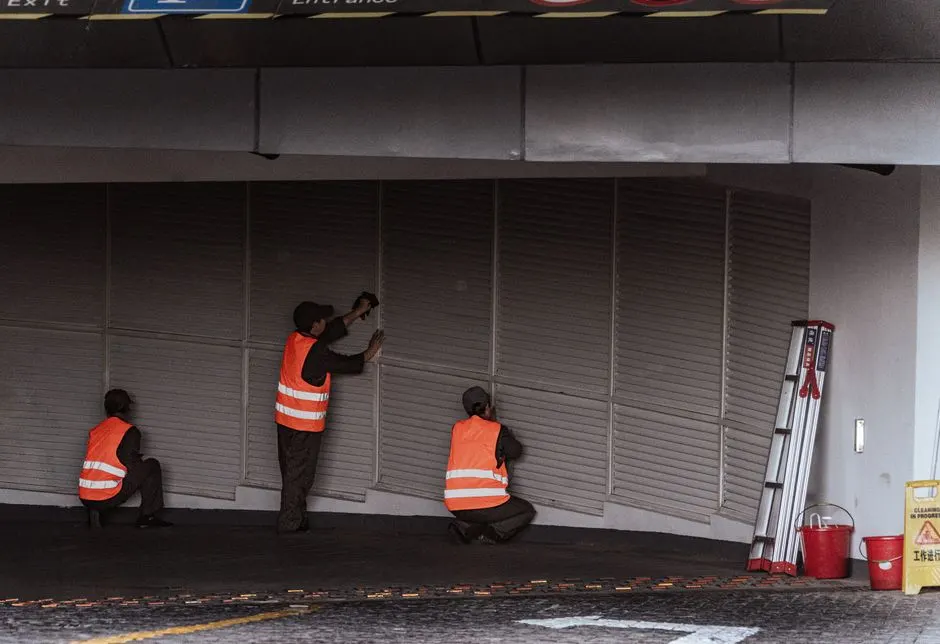
Three workers in safety vests install security shutters at an indoor entrance.
Licensed Licensed & Bonded
Fully Insured Insured & Bonded
24/7 Emergency Same-Day Response
Warranty Backed Workmanship Guaranteed in Raleigh

What Commercial Mold Inspection Includes

A commercial inspection includes a review of the reported concern, visual examination of accessible areas, moisture and humidity checks, and an explanation of observed conditions. We may recommend air or surface sampling when it answers a defined question. Laboratory testing, destructive opening of finished assemblies, and remediation are separate work; we explain when further investigation is warranted and keep the inspection findings distinct from repair work.

Concern and History Review

We discuss the reported odor, visible growth, leak, flooding, or employee concern and note when it began. Information about past repairs, roof work, plumbing events, or drying helps us focus the walkthrough and understand whether moisture may still be entering the building.

Visual Building Inspection

We inspect accessible surfaces and relevant adjacent areas for staining, visible mold growth, condensation, and material damage. The walkthrough considers ceilings, walls, floors, windows, and accessible mechanical locations tied to the complaint. We record limitations where stored items or closed assemblies prevent access.

Moisture and Humidity Readings

We measure indoor humidity and check selected building materials for moisture. Readings are interpreted in context, including material type and nearby comparison points. This helps identify damp areas that may not show obvious surface changes and directs attention toward likely water sources.

Sampling When Appropriate

If sampling can clarify a specific concern, we collect air or surface samples at documented locations. We explain the collection method and what the laboratory analysis can show. A sample is not a substitute for identifying the moisture source or evaluating visible building conditions.

Findings and Next Steps

We summarize the areas inspected, observed conditions, readings, and any sampling information in practical terms. Recommendations focus on controlling moisture, addressing damaged materials, or arranging follow-up where appropriate. Your facilities contact can use the findings to plan maintenance and communicate with stakeholders.

Commercial Mold Inspection Raleigh NC: What It Covers


Commercial Mold Inspection Raleigh NC is a building evaluation that identifies visible mold, moisture conditions, and areas that may need sampling or further investigation. We review the building history, inspect accessible rooms and building materials, and measure moisture and indoor humidity. A pinless moisture meter helps screen broad surfaces; a pin-type meter checks selected materials more directly. We document observations, connect them to likely moisture pathways, and explain which findings warrant action. The aim is a useful, evidence-led picture of the property, not a guess based on one odor or a single air sample.

Raleigh buildings face humid summers, heavy rain, and sharp temperature changes that can expose roof, window, plumbing, and HVAC weaknesses. Older offices in Oakwood and Five Points may have different construction details from newer commercial suites, but either can develop hidden moisture behind finishes. Our commercial mold inspection Raleigh service looks for visible mold growth, condensation on windows and cold surfaces, and suspected mold in HVAC systems or ductwork. If you need a mold assessment for Raleigh office buildings after a leak or tenant complaint, we focus the inspection on the reported area and adjacent spaces.

How the Inspection Works

Commercial Mold Assessment Raleigh NC follows a practical sequence: understand the complaint, inspect the building, measure conditions, collect targeted samples when appropriate, and report findings. We coordinate with your contact about access to affected rooms, mechanical spaces, and relevant records. A straightforward site visit often takes a few hours; larger or multi-floor properties need more time.

01

Schedule

Call or book online — a real human picks up and confirms a 2-hour arrival window.

02

Diagnose

Licensed tech inspects on-site, then walks you through the cause and your options.

03

Fix

The job is completed to code and done right the first time — no shortcuts, no surprises.

04

Guarantee

Every job backed by a written workmanship warranty — and we stand behind it.

Tools and Inspection Methods

Tools & Equipment

Protimeter moisture meter

We use a Protimeter moisture meter to check selected materials and compare readings around a suspected leak. The readings help locate damp areas; they are interpreted with material type and inspection observations.

FLIR thermal imaging camera

A FLIR thermal imaging camera displays surface temperature patterns that can point to areas for closer examination. It does not detect mold directly, so we verify anomalies with visual inspection and moisture measurements.

Hygrometer

A hygrometer records indoor relative humidity during the site visit. That reading adds context to condensation, drying, and occupant complaints, especially when compared across affected and nearby spaces.

Air sampling pump and Air-O-Cell cassette

When air sampling is appropriate, an air sampling pump draws a measured volume through an Air-O-Cell cassette. We document the location and collection conditions so laboratory results can be interpreted in context.

Sterile swabs and tape-lift slides

Sterile swabs and tape-lift sampling slides collect material from a selected surface when identification is relevant. We choose a discrete sampling location and record its relation to visible growth or staining.

Methods & Standards

Moisture mapping

We take readings at the reported area and nearby comparison points to understand how far moisture may extend. The pattern helps distinguish an isolated wet spot from a broader affected zone. We pair readings with visible conditions and the building history rather than treating any single meter value as a diagnosis.

Targeted air sampling

Air sampling is considered when the concern involves airborne conditions, an unexplained odor, or a defined comparison question. We choose locations based on the walkthrough, record the sampling conditions, and explain that results describe the collected air at that time. Sampling does not identify the moisture source.

Surface sampling

We use a swab or tape-lift method on a selected surface when the material or growth needs laboratory examination. The sample location and observed condition are recorded so the result has building context. Surface sampling is targeted; it does not replace inspection of adjoining materials or correction of water entry.

EPA guidance and moisture control

We use EPA mold guidance as a practical reference when discussing visible growth and moisture control. The core sequence is to identify and correct the water source, address affected materials appropriately, and verify that conditions are suitable for the next repair step. Recommendations remain tied to site observations.

When to Schedule an Inspection

01

A Downtown Raleigh office reports a musty smell after a roof leak during heavy rain.

What we do: We inspect the ceiling and adjacent rooms, check accessible materials for moisture, and look for evidence that water traveled beyond the original stain. If sampling is warranted, we explain the locations and purpose. We also identify whether the roof source appears to need further attention before interior repairs.

→ Your property contact gets a documented view of affected areas and a practical sequence for stopping water entry, drying materials, and planning repairs.

02

A Glenwood South tenant reports an odor that becomes stronger when the air system runs.

What we do: We focus on the tenant's space and relevant accessible HVAC components, compare humidity and moisture conditions, and assess whether air or surface sampling can help. We record the system-related context so the results are interpreted alongside the building observations.

→ You can direct the facilities team toward the locations supported by evidence rather than treating every suite or duct run as affected.

03

A North Raleigh business discovers water damage after a plumbing line leaks overnight.

What we do: We inspect the affected room and adjacent materials, map moisture readings, and document visible conditions. The assessment helps separate surfaces that need continued drying from areas ready for repair. If the water reached concealed materials, we explain what further access or testing would answer the remaining question.

→ Your team has a clear record for coordinating drying and restoration, with fewer decisions based only on surface appearance.

04

A Raleigh property owner wants to check remediation work before returning staff to a repaired area.

What we do: We review the defined work area after remediation, check for remaining visible conditions and moisture concerns, and discuss whether clearance sampling fits the project. We document the inspection approach and results so the owner can make a decision based on observed conditions and applicable project criteria.

→ You receive a factual follow-up record to support reopening plans, additional cleaning, or another targeted investigation if concerns remain.

How Commercial Mold Inspections Run in Raleigh

Commercial Mold Assessment Raleigh NC accounts for the wet, humid periods that can stress roofs, window seals, and building ventilation across the area. During warm months, indoor humidity and condensation can complicate drying; in cooler weather, cold windows and exterior walls can create localized condensation. Raleigh's commercial building stock ranges from older masonry and wood-frame properties around central neighborhoods to newer office and retail spaces with complex HVAC systems. We adjust the inspection to the building's construction, reported water history, and occupancy rather than assuming every property has the same risks. If you need a mold assessment for Raleigh office buildings, we review the affected suite and relevant adjacent areas, then explain what the readings mean. Our team serves Raleigh and Wake County, coordinating with property contacts to reach accessible rooms and document any areas that could not be inspected. The result is a local, building-specific account of conditions and practical next steps.

Neighborhoods We Serve

  • Downtown Raleigh

    Older commercial buildings and multi-tenant offices can have layered renovations that conceal past water pathways. We pay attention to reported ceiling stains, window areas, and accessible shared spaces.

  • Glenwood South

    Restaurants, offices, and mixed-use properties may have different operating schedules and moisture loads. We coordinate access around occupied areas and focus on the rooms tied to the complaint.

  • Five Points

    Commercial properties near established residential blocks can include older construction and additions. We consider roof transitions, window details, and the relationship between visible damage and adjacent materials.

  • North Raleigh

    Office and retail suites often rely on shared mechanical systems. When odors vary with system operation, we inspect relevant accessible HVAC areas alongside the reported room.

Local Conditions We Plan For

  • Humid summer air raises indoor moisture loads after heavy rain.

    If ventilation or cooling is not removing moisture effectively, some materials can remain damp longer after a leak. We compare humidity with material readings and inspect for condensation or water entry before recommending a next step.

  • Cool-season condensation forms on windows and cold exterior surfaces.

    Condensation can leave recurring wet edges that resemble a plumbing or roof leak. We examine the pattern, nearby materials, and indoor humidity to help distinguish surface condensation from water entering through the building envelope.

  • Storm-driven rain exposes roof, wall, and window weaknesses.

    Water can travel from the entry point before appearing as a stain, so the visible mark may not show the full affected area. We inspect surrounding surfaces and use targeted moisture checks to help trace the likely path.

Office Ceiling After Roof Leakage

Before

A Raleigh office had a brown ceiling stain after repeated rain, with a musty odor in the adjoining room. Staff could not tell whether the roof repair had stopped the problem or whether moisture remained above the finish. The visible stain covered less area than the reported odor, leaving the property manager unsure where to begin.

After

The inspection documented the ceiling and adjacent room, then checked several accessible materials for moisture. Findings helped the manager separate the roof-entry concern from the interior area that required follow-up. The report gave the repair team a defined location to address rather than relying on the stain alone.

Maintenance: After the roof work, the manager monitored the repaired area after the next substantial rain and checked for new staining or odor. Any change prompted a focused follow-up before ceiling finishes were replaced.

Before

A plumbing leak wet a retail storage wall and part of the adjoining sales area. The surface looked dry after initial cleanup, but the owner wanted to know whether the wall assembly still held moisture. Replacing the finish too soon could have concealed a remaining problem.

After

We checked the reported wall and nearby materials with moisture meters and documented the readings and visible conditions. The findings showed which locations needed continued drying and helped the owner plan repair sequencing. The inspection clarified the next action without treating the entire suite as affected.

Maintenance: The owner kept the repaired plumbing connection under observation and checked the wall area during routine maintenance. Prompt attention to new dampness or a returning odor helped avoid waiting for another visible stain.

Before

Employees in a North Raleigh office noticed a musty smell that became stronger when the air system operated. The facility contact had no clear evidence showing whether the concern was limited to one room, tied to accessible equipment, or coming from another moisture source.

After

The inspection compared the reported room with relevant accessible HVAC areas, checked humidity and moisture conditions, and documented the observations. A targeted sampling recommendation addressed the specific remaining question. The facility team received clear locations for follow-up rather than a broad assumption about every duct or office.

Maintenance: The facilities team tracked whether odor returned during normal system operation and kept maintenance records for the affected area. New moisture or visible residue prompted investigation of the source before surface cleaning alone.

Solve Commercial Building Moisture Concerns

A persistent odor or wall stain can point to a moisture problem that is not visible from the occupied room. Our inspection connects reported symptoms to building conditions, checks nearby materials, and helps you decide what needs attention first. This is especially useful for a mold evaluation for commercial buildings Raleigh after a leak or tenant complaint.

Problem

Musty odors continue after a leak repair in occupied offices.

The original leak may be fixed while damp materials remain behind a wall or ceiling, allowing odor complaints and disruption to continue.

Our Fix

We inspect the reported rooms and nearby building materials, measure moisture, and look for signs of a remaining pathway. If readings point to concealed dampness, we explain what area needs further investigation. You get a clear distinction between a repaired source and materials that still require attention.

Problem

Visible mold growth appears below a roof or window leak.

Covering the stain before the entry point is corrected can trap moisture and lead to recurring damage, repeat repairs, and further tenant complaints.

Our Fix

We document visible conditions, inspect adjacent materials, and assess likely water entry around the affected location. Our findings help you coordinate roof, façade, or window repairs before replacing finishes. We also explain whether surface sampling adds useful information to the visual and moisture evidence.

Problem

Employees report odors near HVAC equipment or ductwork.

A complaint that changes with system operation can affect several rooms and make it difficult to isolate the source without checking related spaces.

Our Fix

We compare the reported locations with accessible HVAC areas and check for moisture or visible conditions that fit the complaint. We identify whether broader air testing or a focused sample is justified. Your maintenance team receives a practical route for follow-up instead of an unsupported assumption about the entire system.

Problem

A property manager needs documentation after water damage.

Without a record of affected areas and moisture conditions, repair decisions can rely on incomplete information and leave uncertainty about what was inspected.

Our Fix

We document accessible areas, relevant readings, and visible conditions after a leak or flooding event. The report identifies what was checked and notes any access limits. You can use it to coordinate drying, repairs, tenant communication, or further evaluation without confusing inspection findings with insurance coverage decisions.

Useful Findings, Clear Next Steps

Useful Findings, Clear Next Steps

A commercial inspection should help you decide what to do next, not leave you with unexplained readings. We connect observations to building conditions, show you where moisture is present, and separate confirmed findings from areas that need more investigation. You receive practical information for maintenance planning, remediation discussions, or a follow-up assessment.

  • Locate Moisture Sources

    We trace water intrusion through roofs or walls, plumbing leaks, condensation, and other moisture pathways instead of treating a stain as the whole problem. Thermal imaging can help identify temperature patterns that deserve closer inspection, while direct moisture readings check selected materials. You get a clearer starting point for stopping repeat damage.

  • Target Sampling Carefully

    Sampling is most useful when it answers a specific question, such as whether a material is affected or whether airborne particles differ between locations. We explain the reason for each sample and the collection method before proceeding. That approach keeps your commercial mold assessment focused on decisions your facilities team actually needs to make.

  • Reduce Operational Guesswork

    A documented inspection can help you coordinate access, repairs, and tenant communication around the areas that need attention. We identify the affected rooms and observed conditions so you can plan work without treating an entire property as contaminated. For a business property mold inspection Raleigh NC, that distinction can support more precise scheduling.

  • Support Follow-Up Decisions

    If remediation has already occurred, we can inspect the completed work and discuss whether clearance testing or additional sampling fits the situation. We note visible conditions, moisture readings, and any remaining concerns. Your team can use those findings to decide whether to reopen a room, continue drying, or investigate further.

Inspection Standards and Documentation

Licensed & Certified

  • ACAC Council-certified microbial investigator credentials — issued by American Council for Accredited Certification
  • ACAC Council-certified indoor environmental consultant credentials — issued by American Council for Accredited Certification
  • IICRC Applied Microbial Remediation Technician certification — issued by Institute of Inspection, Cleaning and Restoration Certification
  • IICRC Water Restoration Technician certification — issued by Institute of Inspection, Cleaning and Restoration Certification

Verified Reviews

Customer feedback Not stated

Our office had a persistent odor after a small plumbing leak. The inspection focused on the affected rooms, checked the wall materials, and gave us a clear explanation of the readings. We knew what needed more drying before calling a contractor to close the wall.

Customer feedback Not stated

The team inspected our Raleigh commercial space after employees noticed a musty smell near the air system. They explained what they could see, why a targeted sample was useful, and what the result meant for our next maintenance steps.

Customer feedback Not stated

After rain caused a ceiling stain in our Downtown Raleigh office, we needed to know whether the issue extended beyond the visible spot. The inspection documented nearby areas and helped us coordinate the roof repair and interior follow-up with less guesswork.

Inspection Knowledge That Holds Up

Commercial properties require more than a quick look at a stained ceiling. Our Raleigh team evaluates how water may move through occupied spaces, building materials, and mechanical areas, then chooses measurements or sampling that fit the question. We use established inspection practices and explain the limits of each method. Where laboratory analysis is appropriate, samples are submitted to a qualified laboratory; the report distinguishes observations from laboratory results. We do not claim a business tenure or credential that has not been established, and we keep recommendations tied to what we actually find.

  • We use moisture mapping to compare affected materials with nearby reference areas rather than relying on one isolated reading.
  • Our inspection approach considers ACAC Council-certified microbial investigator credentials as a relevant professional standard.
  • We follow EPA mold guidance when explaining moisture control, visible growth, and practical remediation considerations.
  • We distinguish an inspection observation from a laboratory result so your report does not overstate what a sample proves.
  • We document accessible areas and note limitations when equipment, finishes, or building operations restrict inspection.
Get Started Today
Inspection Knowledge That Holds Up

Commercial Mold Inspection Questions

Real answers to the questions we hear most often from local homeowners and property managers.

How much does commercial mold inspection cost in Raleigh?
A small, focused commercial inspection often costs about $300-$900 in 2026; larger buildings or laboratory sampling can bring the total to $1,000-$2,500 or more. Price depends on floor area, number of affected rooms, access, moisture mapping needs, and sample count. We explain pricing upfront based on the property and reported concern. A targeted visit after one leak usually costs less than a multi-floor investigation with several sample locations.
What does a commercial mold assessment cover?
A commercial mold assessment covers the reported concern, accessible building areas, visible conditions, moisture readings, indoor humidity, and likely water pathways. We review relevant roof, plumbing, window, or HVAC concerns and explain whether sampling is useful. The inspection report records what we observed and recommends next steps based on the evidence. Laboratory sampling is used when it can answer a defined question; it is not a substitute for finding and correcting moisture.
Can a business arrange a mold inspection in Raleigh NC?
Yes, a Raleigh business can arrange an inspection for an office, retail space, shared building, or other commercial property. Call +18668968166 and describe the location, reported symptoms, and any recent leak or flooding. We coordinate access with your property contact and focus the visit on the affected rooms and related building areas. Our service area includes Raleigh and Wake County, including ZIP codes 27617, 27616, and 27615.
How quickly can a commercial mold inspector visit?
A commercial mold inspector can often schedule a site visit within 1-3 business days, depending on access and current workload. An active leak or post-flood concern should be reported promptly because wet materials can remain damp while operations continue. A standard small-suite inspection commonly takes 2-4 hours on site; larger buildings require more time. We confirm the visit window with your contact and explain any access needs before arriving.

Related Property Services

Residential Mold Inspection

When a business owner also manages a home or staff housing, a residential inspection applies the same moisture-focused approach in living spaces. We check reported rooms, building materials, and likely water sources, then explain whether sampling is useful. It is a separate property assessment, suited to residential layouts and concerns.

View Residential Mold Inspection

Mold Testing and Sampling

Sampling adds laboratory information when a commercial inspection leaves a specific question unanswered. We select air or surface collection based on the location and concern, label each sample, and explain what the results can establish. The inspection still matters: sample results are interpreted alongside moisture conditions and visible evidence.

View Mold Testing and Sampling

Air Quality Testing for Mold

Air testing can help compare airborne particles between a reported area and a suitable reference location. We use it when the complaint or inspection findings support that question, not as a stand-alone verdict on building safety. For occupied Raleigh workplaces, targeted locations and clear sample documentation help make results more useful.

View Air Quality Testing for Mold

Surface Mold Testing

Surface testing is useful when growth, residue, or a discolored material needs closer identification. We collect a targeted swab or tape-lift sample from the selected location and record its context. Your commercial inspection helps determine which surface deserves testing and whether the underlying moisture source also needs attention.

View Surface Mold Testing

Indoor Air Quality Assessment

An indoor air quality assessment looks beyond a mold complaint to relevant indoor conditions such as humidity, ventilation, and particle concerns. It can be appropriate when several rooms have complaints or the source is unclear. We use the commercial inspection findings to direct attention toward the spaces and conditions most likely to matter.

View Indoor Air Quality Assessment

Moisture and Humidity Inspection

Elevated humidity and damp materials can keep a commercial building vulnerable even after a visible leak is repaired. This service checks humidity and moisture patterns in reported rooms and nearby materials. The findings help your maintenance team decide whether drying, ventilation changes, or investigation of a concealed source is the next step.

View Moisture and Humidity Inspection

Book Commercial Mold Inspection Raleigh NC

Musty odors, visible growth, or a recent leak deserve a focused inspection before repairs hide the evidence. Call Raleigh Mold Testing at +18668968166 and tell us what happened, which areas are affected, and how your property operates. We provide clear findings and upfront pricing for your inspection.

Call Today Book Inspection

Contact Raleigh Mold Testing

Tell us what you noticed, where it is happening, and whether there has been a recent leak or cleanup. Call +18668968166 to discuss Mold Inspection and Testing in Raleigh, NC. Our phone line is open Monday through Friday, 08:00 to 18:00; we respond during business hours and help you identify the right next step for your property.

Or call us right now at +18668968166 — we answer.

Raleigh Mold Testing


  • Phone

    +18668968166
  • Address

    Raleigh, North Carolina

  • Hours

    Mon–Fri: 7AM – 7PM
    Sat: 8AM – 4PM
    Sun: Emergency Only
    24/7 Emergency Available

Call +18668968166 Get Quote
Call Quote