



Logo
Get Estimate

Mold Inspection and Testing in Northeast Raleigh

Mold Inspection and Testing in Northeast Raleigh helps you find visible growth, hidden moisture, and possible indoor air concerns before they spread or complicate a repair. We inspect homes and commercial spaces in Brentwood, Hedingham, New Hope, Forestville, and Windsor Forest, including properties in ZIP codes 27604, 27610, and 27616. Our team checks the conditions behind the concern and explains what the findings mean in plain language.

Schedule Inspection Call Our Team
Local service Phone support Clear reporting
Licensed Licensed & Bonded
Fully Insured Insured & Bonded
24/7 Emergency Same-Day Response
Warranty Backed Workmanship Guaranteed in Northeast Raleigh
Northeast Raleigh

Mold Inspection and Testing in Northeast Raleigh


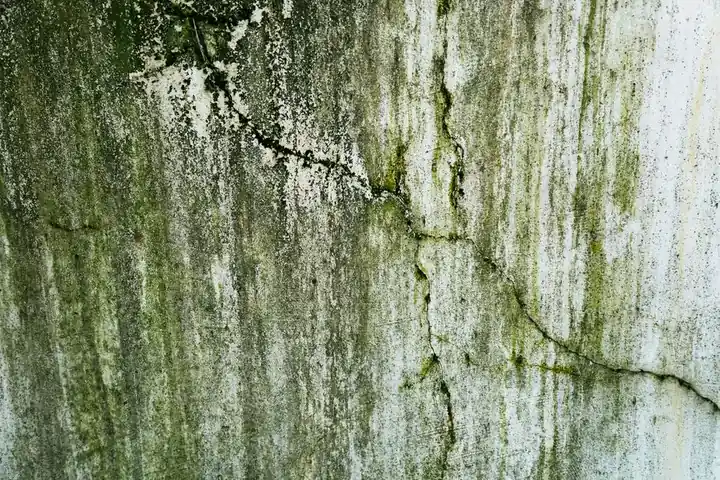
Mold Inspection and Testing in Northeast Raleigh is an indoor environmental assessment that identifies visible mold, moisture conditions, and the need for targeted sampling in a building. We serve Wake County properties from established homes to newer subdivisions, where roof leaks, plumbing failures, humid crawl spaces, or condensation can leave moisture behind. Our inspections focus on the source and extent of the concern, not just the stain you can see.

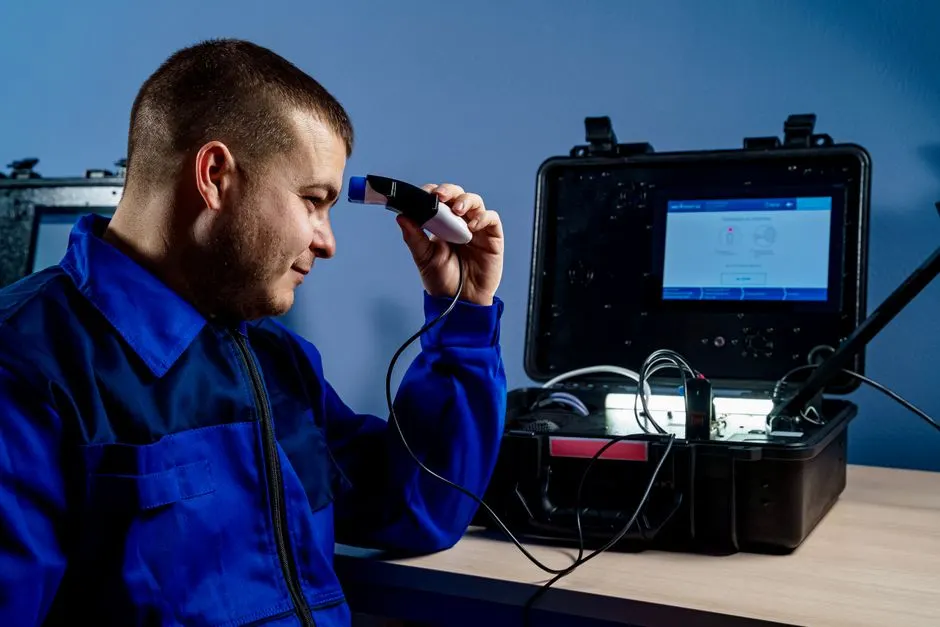
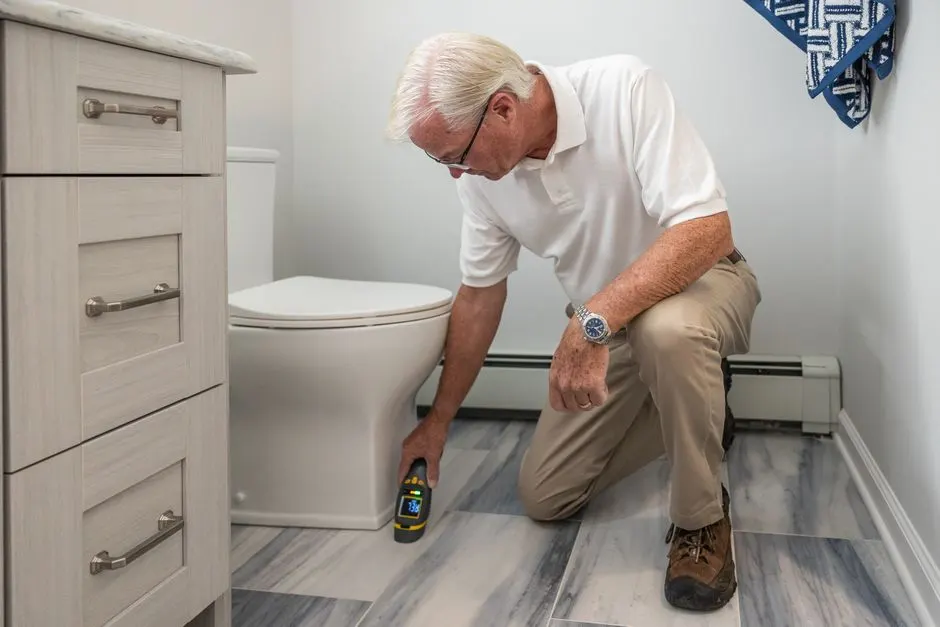
Raleigh Mold Testing works across Brentwood, Hedingham, New Hope, Forestville, and Windsor Forest. A Northeast Raleigh mold inspection and testing visit can include a visual review, moisture readings, humidity measurements, and air or surface samples when those tests answer a specific question. We use tools such as a Protimeter moisture meter and thermal imaging camera to locate conditions that deserve closer inspection; imaging does not identify mold by itself.

You receive findings tied to the rooms and materials examined, along with practical next steps. For a house sale, a musty odor, or water intrusion after heavy rain, our mold inspector in Northeast Raleigh documents what was observed and what laboratory testing did or did not show. We explain the results without treating a sample as a substitute for a thorough inspection.

  • Locally licensed and insured in Northeast Raleigh
  • Same-day diagnostics and written estimates
  • Real workmanship warranty in writing
  • Background-checked, in-house technicians

Northeast Raleigh Mold Inspection Services

Northeast Raleigh properties bring a mix of inspection needs: a roof leak after heavy rain, a damp crawl space during a humid stretch, or visible growth beside a bathroom exhaust fan. Our work starts with the building conditions and your reason for calling. If you are searching for Mold Inspection and Testing near me in Northeast Raleigh NC, we inspect the affected area, check nearby materials, and recommend sampling when it can clarify the question. You receive a straightforward account of observations and findings.

Residential Mold Inspection

Residential Mold Inspection

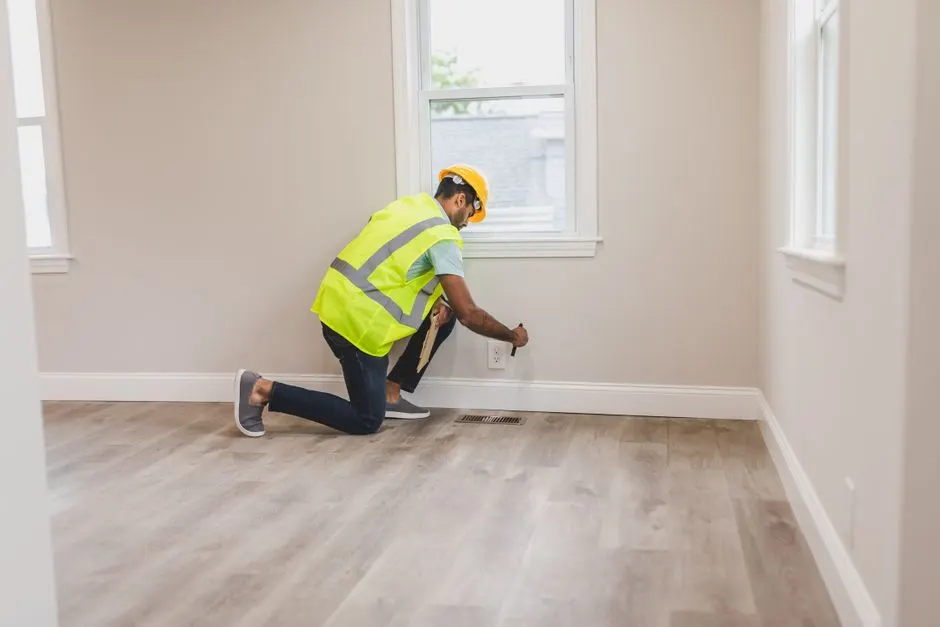
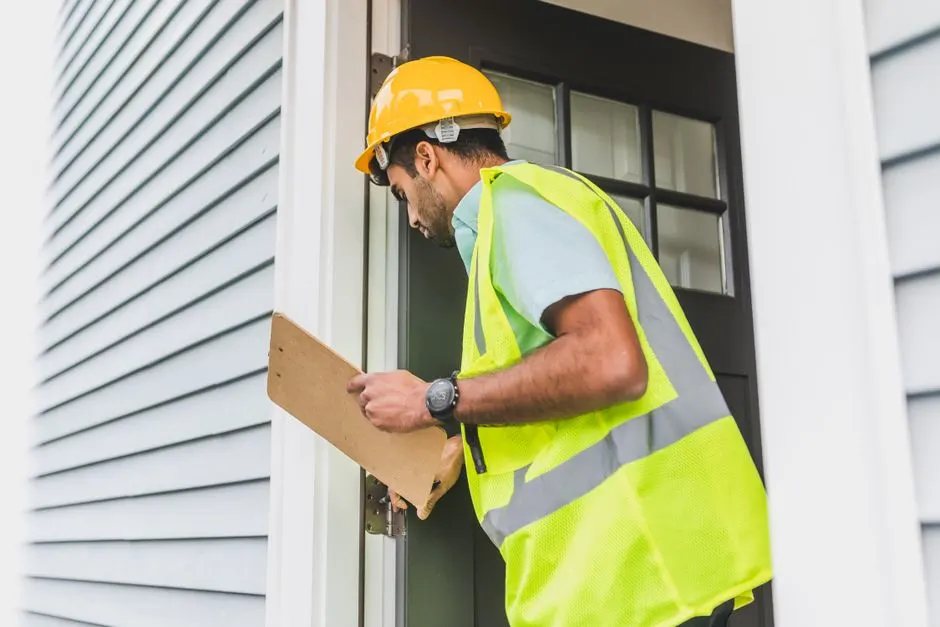
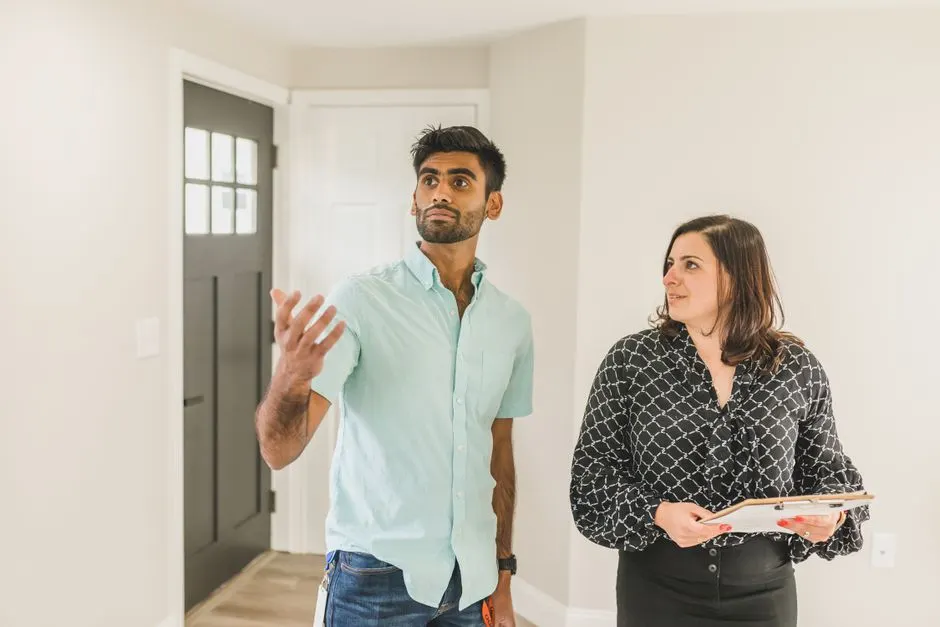
For homes in Brentwood, Hedingham, and nearby subdivisions, we inspect rooms and building areas connected to your concern. We check visible growth, odors, leaks, and moisture in materials, then explain whether targeted sampling is useful. Your inspection can focus on a single room or a wider post-water-damage concern.

View Details
Commercial Mold Inspection

Commercial Mold Inspection

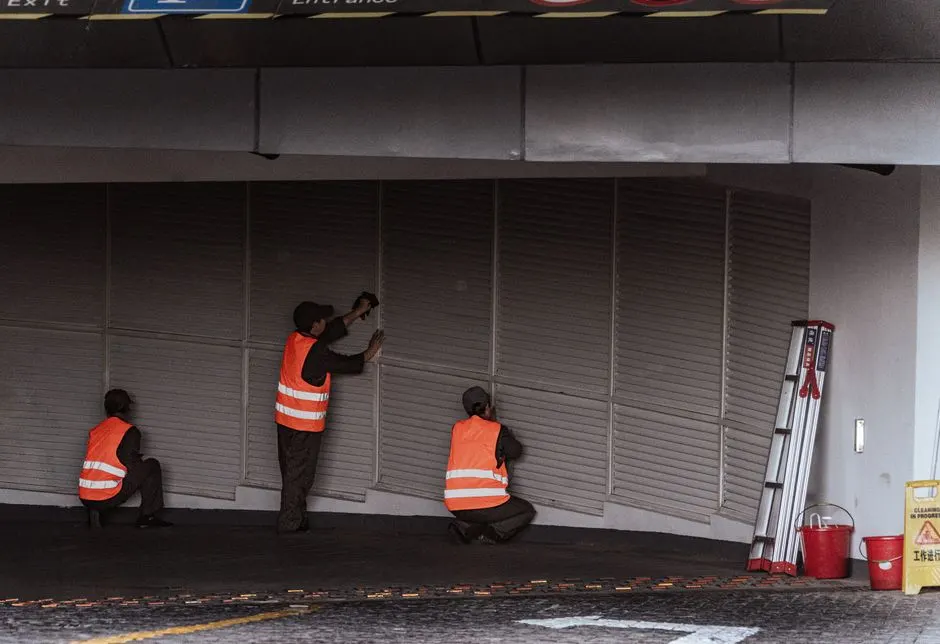
We inspect Northeast Raleigh offices, retail spaces, and other commercial interiors when occupants notice odors, staining, or moisture after a leak. Our review considers affected rooms, shared HVAC areas, and water pathways, with findings organized so you can coordinate access, repairs, and follow-up testing.

View Details
Mold Testing and Sampling

Mold Testing and Sampling

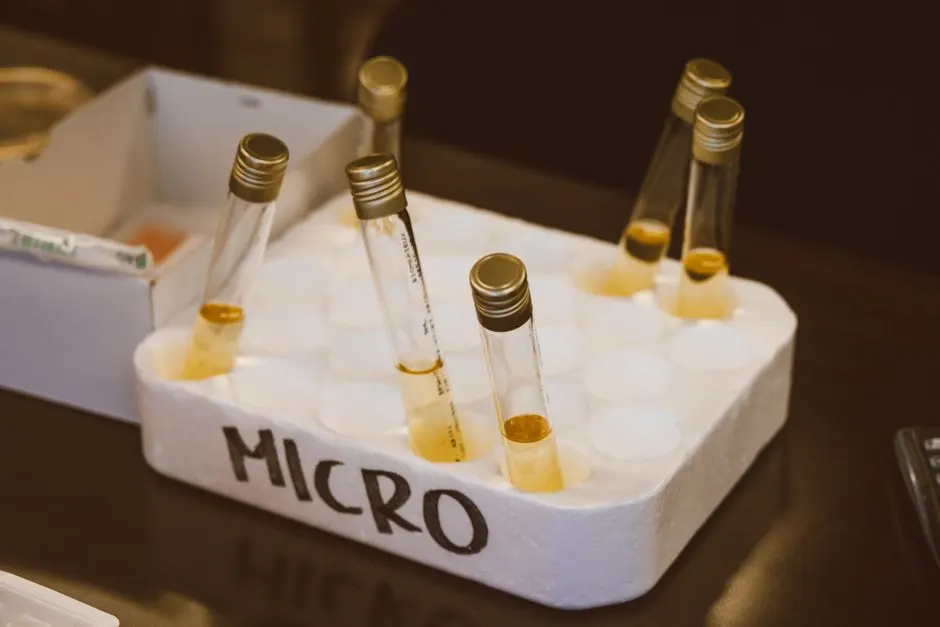
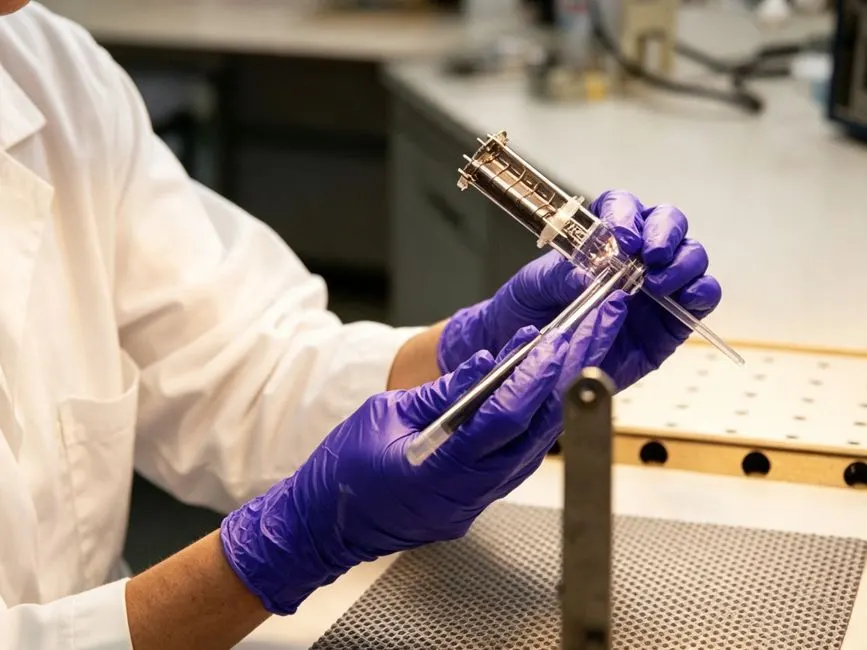
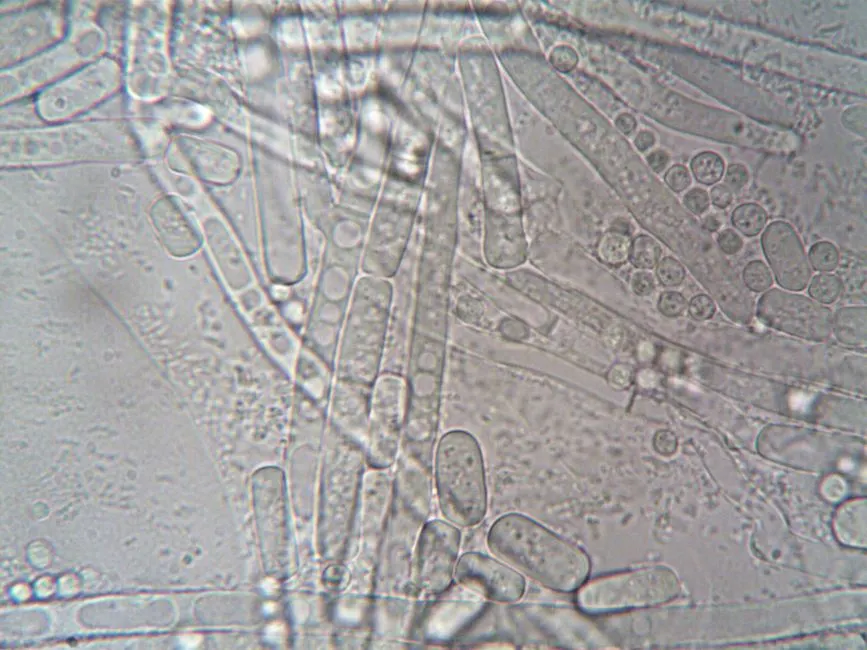
Sampling is selected to answer a defined question, such as whether airborne particles or a particular surface warrants laboratory analysis. In Northeast Raleigh, we collect samples from relevant rooms or materials and record where and how each was taken. Results are interpreted alongside the inspection, not in isolation.

View Details
Air Quality Testing for Mold

Air Quality Testing for Mold

If an odor or concern is present without an obvious source, air sampling can help compare conditions in selected areas. We use an air sampling pump and cassettes according to the sampling plan, noting room conditions and locations. This service supports an inspection; it does not replace a moisture investigation.

View Details
Surface Mold Testing

Surface Mold Testing

For a suspicious patch on drywall, trim, or another finish, we use an appropriate surface collection method when identification is useful. Our technician records the sampled location and visible condition, then sends samples for laboratory analysis where selected. This helps distinguish a tested spot from other unexamined areas.

View Details
Indoor Air Quality Assessment

Indoor Air Quality Assessment

An indoor assessment in Northeast Raleigh looks at moisture, ventilation clues, humidity, and reported symptoms in context. We take readings in relevant rooms and inspect likely sources rather than relying on a single device reading. The result is a practical picture of conditions and recommended next steps.

View Details
Moisture and Humidity Inspection

Moisture and Humidity Inspection

High summer humidity can affect attics and crawl spaces, while condensation may appear on windows or cold surfaces. We use moisture meters and a hygrometer to check conditions in the areas you identify and compare readings with the visible evidence. That helps locate damp materials needing attention.

View Details
Water Intrusion and Leak Inspection

Water Intrusion and Leak Inspection

After a roof, wall, window, or plumbing leak, we trace visible water indicators and check nearby materials for retained moisture. Northeast Raleigh's heavy rainfall can expose entry points that were not obvious during dry weather. We document the affected area so you can direct repair work and prevent repeated wetting.

View Details
Post-Water-Damage Mold Inspection

Post-Water-Damage Mold Inspection

Following a leak or flooding event, we inspect the area for moisture that remains after cleanup and identify materials needing further evaluation. Our visit may include crawl-space, wall, or ceiling checks depending on the water path. We document what is accessible and help you decide whether sampling or clearance testing is appropriate.

View Details
Pre-Purchase Mold Inspection

Pre-Purchase Mold Inspection

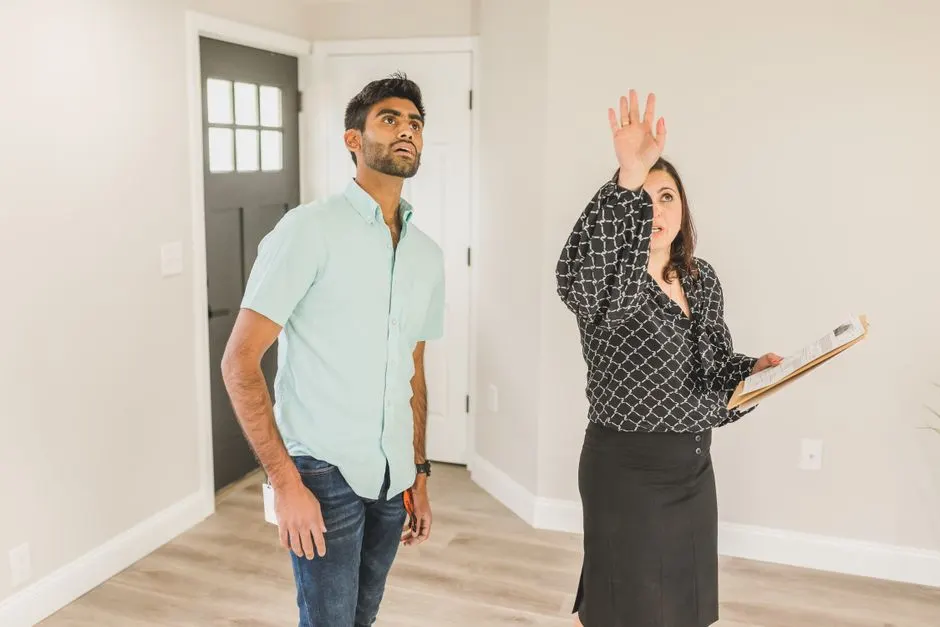
Buyers in Northeast Raleigh can request an inspection when a home has a musty odor, past water staining, or an inaccessible-looking attic or crawl space. We examine the reported concern and accessible areas, explain any limits, and provide findings you can review before moving forward with repairs or further evaluation.

View Details
Mold Inspection for Home Sellers

Mold Inspection for Home Sellers

If you are preparing a Northeast Raleigh home for sale, we inspect reported moisture concerns and visible growth before they become a last-minute question. We document conditions clearly, including the locations reviewed and any samples collected. A report gives you useful information to discuss with your agent or repair professional.

View Details
Rental Property Mold Inspection

Rental Property Mold Inspection

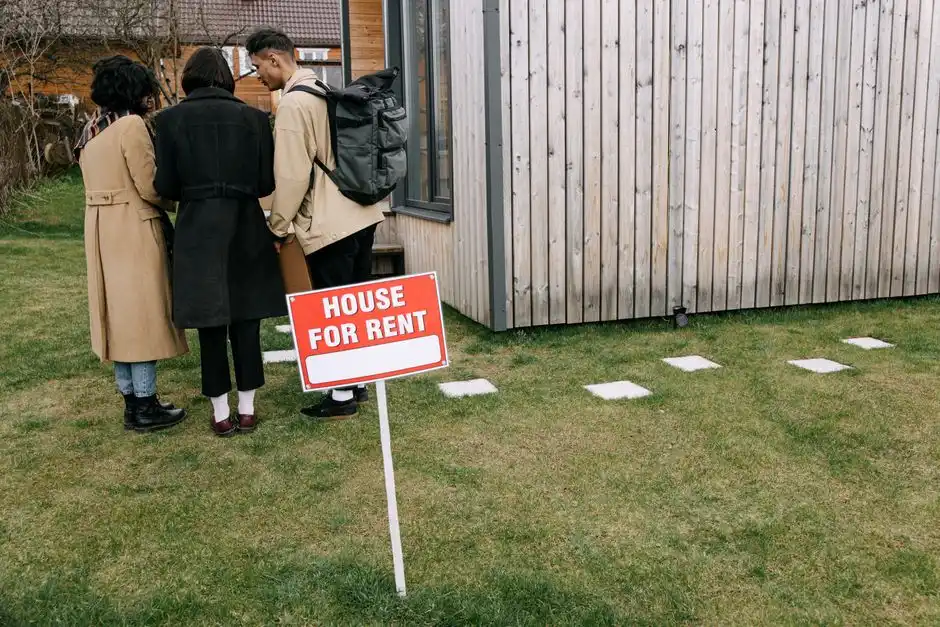
Landlords and property managers use this service to assess tenant reports of musty odors, damp finishes, or suspected HVAC concerns. We inspect the relevant unit and accessible shared areas, record moisture observations, and explain the testing plan. Clear documentation helps keep the response focused on the reported conditions.

View Details
Attic Mold Inspection

Attic Mold Inspection

Northeast Raleigh attics can experience warm, humid conditions and roof-related moisture. We inspect accessible sheathing, framing, and ventilation clues, then check suspicious areas with moisture tools where appropriate. Findings distinguish visible staining from confirmed sampling results and identify whether a roof or ventilation issue needs attention.

View Details
Basement and Crawl Space Mold Inspection

Basement and Crawl Space Mold Inspection

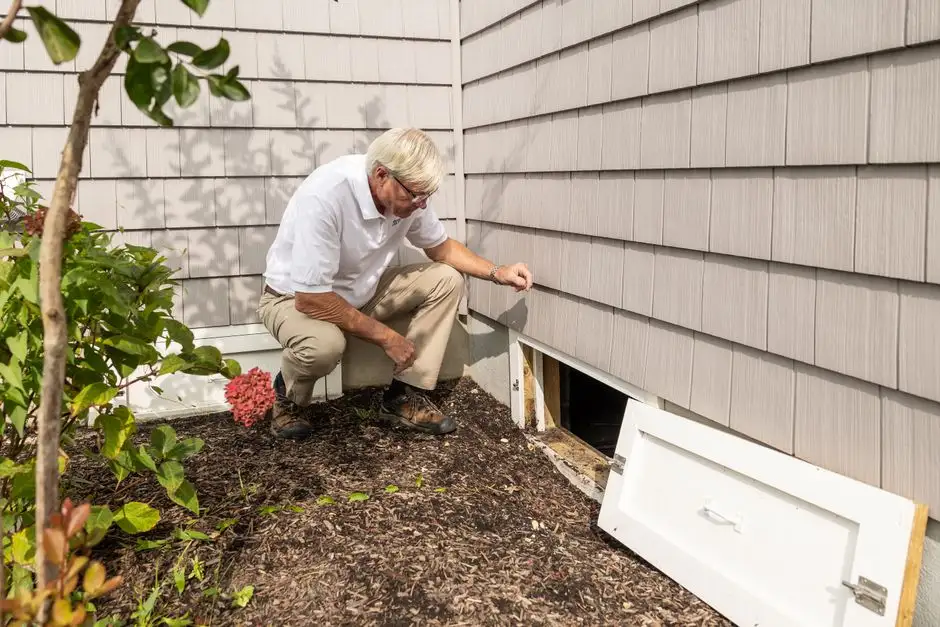
Crawl spaces are a key focus when summer humidity or drainage conditions leave odors and damp materials below the living area. We assess accessible areas, check moisture, and document visible growth or water entry. Our report helps you understand whether further evaluation, drying, or targeted sample collection is warranted.

View Details
HVAC and Duct Mold Inspection

HVAC and Duct Mold Inspection

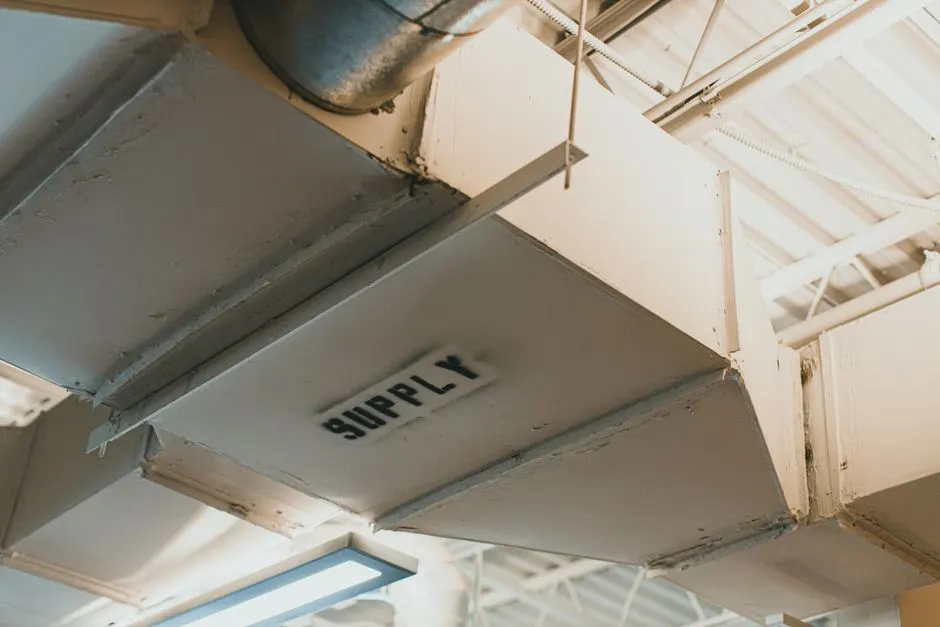
When you suspect mold in HVAC systems or ductwork, we inspect accessible components and nearby surfaces for moisture, residue, or visible growth. We do not treat dust alone as proof of mold. The report identifies what was examined and whether surface or air sampling can help answer remaining questions.

View Details
Bathroom and Kitchen Mold Inspection

Bathroom and Kitchen Mold Inspection

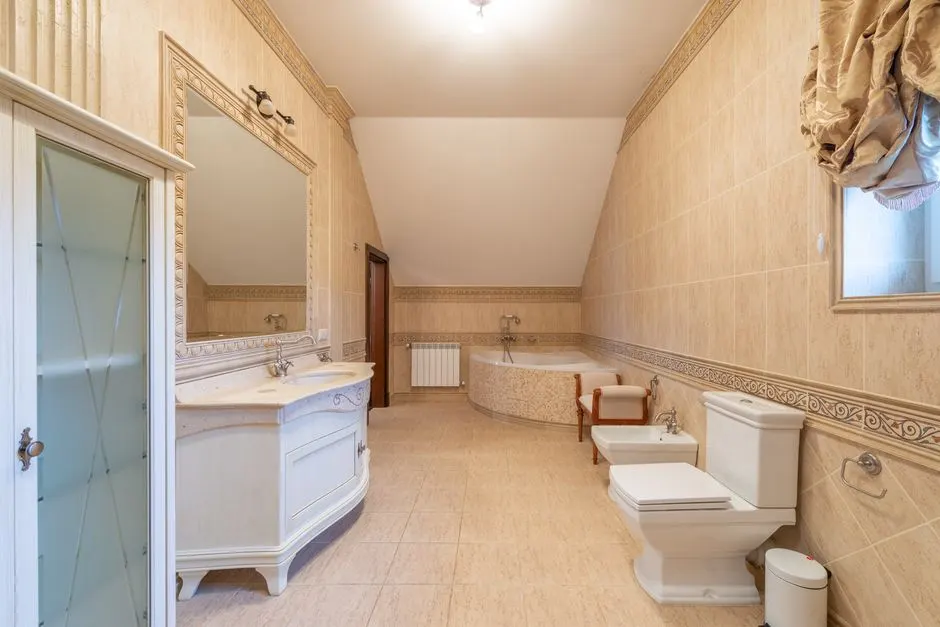
Bathrooms and kitchens often show moisture first around plumbing, windows, cabinets, and exhaust areas. We inspect the affected finishes and adjoining materials, looking for leaks and persistent dampness as well as visible growth. In Northeast Raleigh homes, that helps separate a ventilation concern from a concealed plumbing issue.

View Details
Mold Inspection for Insurance Claims

Mold Inspection for Insurance Claims

For a claim involving a leak or storm-related water intrusion, we document visible conditions, moisture readings, and the areas inspected. We can collect samples when the inspection question supports testing. Your report is organized around observed conditions so you have clear information to share with the relevant parties.

View Details
Clearance Testing After Mold Remediation

Clearance Testing After Mold Remediation

After remediation, clearance testing evaluates the cleaned area against the agreed inspection criteria and current site conditions. We inspect accessible surfaces and collect samples when appropriate, documenting locations and results. This gives Northeast Raleigh property owners an independent check before they return the area to normal use.

View Details
Post-Remediation Verification

Post-Remediation Verification

Verification checks whether visible conditions, moisture concerns, and any selected test results support completion of remediation work. We review the treated area rather than assuming a clean appearance proves the source was corrected. The findings help address uncertain remediation clearance in a clear, documented way.

View Details
Mold Inspection Reports and Documentation

Mold Inspection Reports and Documentation

Our reports identify inspected locations, observations, moisture readings, sample locations, and laboratory results when testing was performed. Northeast Raleigh homeowners, buyers, and property managers can use the documentation to plan repairs or discuss findings with other professionals. We keep conclusions tied to the evidence collected.

View Details

Common Northeast Raleigh Moisture Problems

Northeast Raleigh's mix of established homes and newer subdivisions means roof details, plumbing history, insulation, and access differ across the service area. Heavy rainfall can reveal drainage and water-entry issues, while humid summers can leave crawl spaces or attics vulnerable to damp conditions. Creek and greenway-adjacent properties still need property-specific assessment; proximity alone is not proof of intrusion. Our indoor mold assessment Northeast Raleigh work focuses on moisture evidence, visible growth, and the building conditions that explain them.

Water enters through roofs or walls after heavy rainfall

Wind-driven rain, aging roof details, clogged drainage paths, or worn exterior seals can allow water to enter during a storm. A ceiling or wall mark may appear some distance from the actual entry point, especially where water travels along framing or insulation.

Crawl-space humidity creates persistent musty odors

Warm, humid summer air and poor moisture control can contribute to damp crawl-space materials. Odors may move into living areas through floor openings or service penetrations, even if there is no visible growth in the room where the smell is noticed.

Hidden moisture remains after a plumbing leak is repaired

A repaired pipe stops new water but does not immediately dry insulation, drywall, cabinets, or flooring. Water can migrate behind finishes, leaving concealed materials damp after the visible drip has ended.

Condensation damages cold surfaces and window trim

Indoor humidity, temperature differences, and limited air movement can create condensation on windows and cold surfaces. Repeated wetting can affect paint, caulk, and nearby materials, especially when condensation is not dried or ventilation is inadequate.

When to Call for Mold Inspection

Call for an inspection when a visible patch keeps returning, a musty smell persists after cleaning, or a recent leak left materials damp. In Northeast Raleigh, heavy rainfall can expose roof and wall entry points, while high summer humidity can affect attics and crawl spaces. A mold testing for a home in Northeast Raleigh NC visit is most useful when it connects the suspected growth to moisture conditions and documents the areas examined. Do not wait for a large stain if the source is still wet.

  • Musty odor returns after cleaning

    A recurring odor can point to damp material behind a finish, under flooring, or in a nearby crawl space. Cleaning the exposed surface does not establish that the moisture source is gone. Arrange an inspection soon, especially if the odor follows a leak or becomes stronger after rain.

  • Dark spots spread along a ceiling edge

    A growing mark can indicate continued water entry from a roof, plumbing line, or upper-level fixture. The edge may not show the full damp area. Check for active dripping and schedule an inspection promptly so wet materials and the likely pathway can be documented.

  • Window condensation persists indoors

    Repeated condensation on windows and cold surfaces can keep nearby trim or drywall damp. A hygrometer reading and inspection of the surrounding materials help separate a humidity pattern from a leak. If finishes soften, discolor, or smell musty, do not rely on wiping the glass alone.

  • Crawl space smells damp in summer

    A persistent crawl-space odor can accompany elevated humidity, standing water, or damp framing. Northeast Raleigh's summer conditions make moisture checks useful, but odor alone does not confirm mold. Ask for an inspection that records accessible material readings and visible conditions.

  • HVAC use spreads a stale odor

    An odor that appears when heating or cooling starts can raise a question about damp components or nearby materials. Dust is not proof of mold, and a single air test cannot locate a source. An inspection can review accessible HVAC areas and decide whether targeted sampling is useful.

Local Landmarks and Navigation

Northeast Raleigh addresses are easier to plan when we have a nearby landmark and the exact street address. Buffaloe Road Aquatic Center, Hedingham Golf Club, and the Abbotts Creek Greenway provide useful orientation points for locating nearby residential streets; they are navigation references, not evidence of a building moisture issue. We confirm parking, access, and the affected rooms before the visit. Properties near creek or greenway corridors are assessed on their own drainage, moisture, and building conditions rather than proximity alone.

Buffaloe Road Aquatic Center

The center is a recognizable point on Buffaloe Road for orienting a route through Northeast Raleigh. We use your street address for the final approach and do not infer anything about a property's moisture condition from its distance to the facility.

Hedingham Golf Club

Hedingham Golf Club helps identify the Hedingham area when coordinating directions. Nearby residential access varies by street, so we confirm the property entrance and parking details with you before starting an inspection.

Abbotts Creek Greenway

The Abbotts Creek Greenway is a local orientation reference for nearby routes and neighborhoods. Its presence does not establish water intrusion at a home; we inspect drainage, building materials, and moisture readings at the property itself.

Coverage across Northeast Raleigh & Wake County

276172761627615276142761327612276102760927601276032760427605276062760827607276972769527602276192762027622276242762627627

Plus surrounding Wake County neighborhoods, with same-day routing on most appointments.

Northeast Raleigh Customer Feedback

Averaging 4.9 / 5 across verified reviews.

“We had a musty smell after a leak and needed someone to check more than the visible wall stain. The inspector looked at the bathroom and the adjoining room, explained the moisture readings, and told us why one surface sample made sense. The report was easy to follow and helped us explain the affected area to our repair contractor.”

D

Dana R.

Hedingham

“After heavy rain, we found a ceiling mark and wanted the attic checked before repairs. The inspection covered the stain and accessible attic materials, with the readings and limits clearly described. We appreciated that the inspector did not call every discoloration mold and gave us practical information to share with the roofer.”

M

Marcus L.

Brentwood

“Our rental had a lingering odor after water-damaged material was removed. Raleigh Mold Testing checked the treated room, documented the readings, and explained the sample process in plain language. The report gave us a useful record for the property file and showed what had actually been inspected.”

T

Tasha B.

New Hope

Seasonal Mold Inspection in Northeast Raleigh

In November, Northeast Raleigh homeowners should watch for leaks exposed by fall rain and condensation as temperatures shift. Winter brings cold surfaces and occasional indoor moisture concerns; spring rainfall can reveal drainage or roof entry issues; summer humidity places added attention on crawl spaces and attics. If a leak has been repaired but materials remain damp, air and surface mold sampling in Northeast Raleigh can support a focused inspection question. Seasonal timing helps guide the inspection, but the evidence at your property sets the conclusion.

Spring

Spring rain can expose roof, window, and wall entry points that were less apparent during dry weather. Check ceilings and exterior-facing walls for new stains, and note whether dampness appears after a specific storm. A changing stain deserves prompt attention.

Tip: After a leak, document the affected rooms and when the water appeared. Have the source repaired, then arrange an inspection if odors, damp materials, or staining remain.

Summer

High summer humidity can affect crawl spaces and attics, especially where ventilation or moisture control is limited. Musty odors, condensation, or damp framing deserve a closer look, but humidity readings alone do not prove mold growth.

Tip: Keep notes on where and when odors occur, and avoid covering damp materials. An inspection can check accessible areas and help identify whether the concern is moisture, visible growth, or both.

Fall

Fall weather can bring rainfall and temperature changes that reveal roof leaks or condensation on cold surfaces. In November, check around windows, ceilings, and plumbing areas for fresh staining, soft finishes, or recurring odors.

Tip: Clear away stored items from the affected area before the visit and share any recent repair history. That gives the inspector access to relevant surfaces and helps trace the reported condition.

Winter

Winter temperature differences can encourage condensation on windows and other cold surfaces. A plumbing leak or roof issue can also leave materials damp indoors. Watch for repeated wetness, peeling paint, or odors that persist after the surface dries.

Tip: Dry condensation when it appears and keep the area observable. If moisture recurs or finishes change, schedule an inspection to check surrounding materials and distinguish condensation from a leak.

Raleigh Areas Served Nearby

Northeast Raleigh is part of our broader Raleigh service area. We schedule residential and commercial inspections across connected parts of the city, including areas south, west, and north of Northeast Raleigh. If a property manager or homeowner has multiple locations, we can discuss the addresses and the concerns at each site. The surrounding service pages below help you find information for the specific Raleigh area where your property is located.

Northeast Raleigh Mold Inspection FAQs

Real answers from our team for the questions we hear most often before a job starts.

How much does mold inspection and testing cost in Northeast Raleigh?
A focused residential inspection usually costs about $250-$550 in 2026, while broader testing can range from $400-$900. The total depends on the number of affected areas, access to attics or crawl spaces, and laboratory sample count. For mold testing for a home in Northeast Raleigh NC, we explain the price before starting and document what the inspection covers. Most focused visits take 1.5 to 3 hours.
Where can I find a mold inspector near Northeast Raleigh NC?
Raleigh Mold Testing serves Northeast Raleigh and nearby Wake County neighborhoods, including Brentwood, Hedingham, New Hope, and Forestville. Call +18668968166 with your address, the affected rooms, and any recent leak history. We inspect the property, check for moisture, and recommend sampling when it answers a specific question. Service areas include ZIP codes 27604, 27610, and 27616.
How quickly can mold testing be scheduled in Northeast Raleigh?
Same-day appointments may be available for urgent concerns, and most focused inspections take 1.5 to 3 hours. Call us with the property address and whether water is still entering so we can discuss the next available visit. A same-day mold inspector near Northeast Raleigh can check the affected area, record moisture conditions, and determine whether air or surface sampling is appropriate.
What does a mold assessment in Northeast Raleigh include?
A mold assessment includes a visual inspection, moisture checks in relevant materials, humidity observations, and targeted sampling when useful. We review the reported rooms and accessible areas, then document findings and any laboratory results. In Northeast Raleigh, that may mean checking an attic or crawl space after heavy rain or during humid weather. We distinguish direct observations from conclusions that require testing.
Do I need post-remediation mold clearance testing near Northeast Raleigh NC?
Clearance testing is useful when you need documented verification after remediation, especially if the work involved substantial water damage or you have uncertain remediation clearance. We inspect the treated area, check for remaining moisture or visible residue, and collect samples when the agreed criteria call for them. Results are interpreted with the site observations, not as a stand-alone guarantee about uninspected areas.

Schedule Mold Inspection and Testing in Northeast Raleigh

A persistent odor, a wet crawl space, or a fresh ceiling stain deserves a clear answer. Raleigh Mold Testing inspects Northeast Raleigh properties, checks moisture conditions, and explains when sampling is useful. Call +18668968166 with your address and the rooms involved. We serve Wake County, including Brentwood, Hedingham, and surrounding neighborhoods, and provide documented findings you can use for the next repair decision.

Call to Schedule Send a Message

Contact Raleigh Mold Testing

Tell us what you noticed, where it is happening, and whether there has been a recent leak or cleanup. Call +18668968166 to discuss Mold Inspection and Testing in Raleigh, NC. Our phone line is open Monday through Friday, 08:00 to 18:00; we respond during business hours and help you identify the right next step for your property.

Or call us right now at +18668968166 — we answer.

Raleigh Mold Testing


  • Phone

    +18668968166
  • Address

    Raleigh, North Carolina

  • Hours

    Mon–Fri: 7AM – 7PM
    Sat: 8AM – 4PM
    Sun: Emergency Only
    24/7 Emergency Available

Call +18668968166 Get Quote
Call Quote