Logo
Get Estimate

Water Intrusion and Leak Inspection Raleigh NC

Find the entry point before hidden moisture spreads


Water Intrusion and Leak Inspection Raleigh NC helps homeowners, buyers, landlords, and property managers locate active leaks and trace moisture before damage spreads. We inspect roofs, walls, plumbing areas, crawl spaces, and other suspect materials, then explain what the readings show. If you have a ceiling stain, musty odor, or damp flooring, our Raleigh water leak assessment gives you a practical next step instead of guesswork.

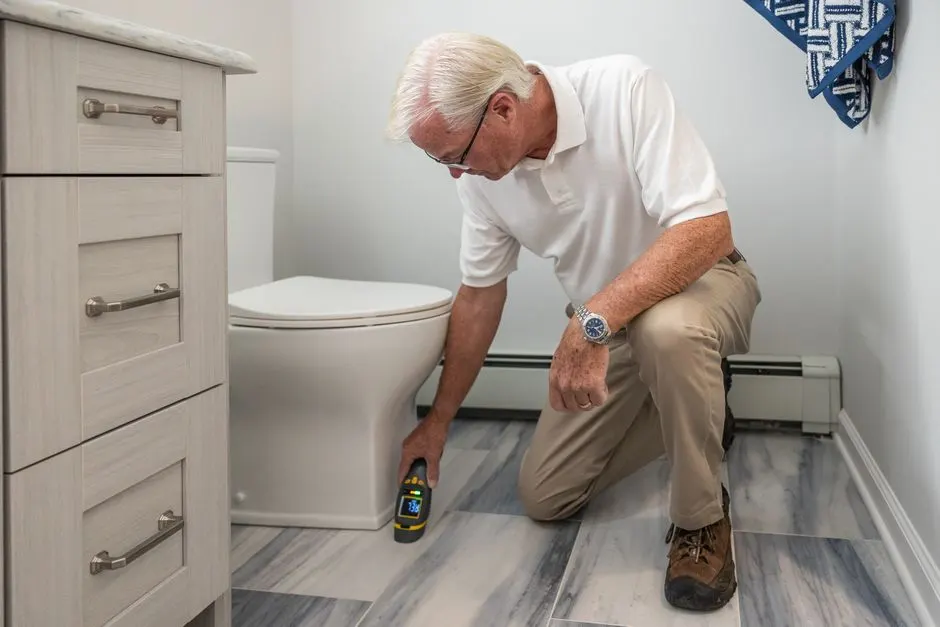
A senior man using a device to inspect a bathroom for maintenance or repair.
Licensed Licensed & Bonded
Fully Insured Insured & Bonded
24/7 Emergency Same-Day Response
Warranty Backed Workmanship Guaranteed in Raleigh

What the Inspection Covers

Water intrusion inspection covers a review of your reported concern, accessible visual checks, moisture measurements, and a clear explanation of likely source areas. We document observations and practical next steps. Opening finished walls, plumbing repairs, roof repairs, drying equipment, and laboratory mold sampling are separate work; we recommend them only when the findings support that direction.

History and Symptom Review

We record when the problem began, how it changes after rain or fixture use, and what has already been repaired. Your timeline helps distinguish a recurring leak from an older stain and directs attention to the most relevant rooms and building transitions.

Accessible Visual Inspection

We examine visible finishes and accessible areas around the reported concern, including relevant ceilings, walls, floors, windows, plumbing fixtures, attic areas, or crawl spaces. We note staining, material changes, visible growth, and access limitations that affect the findings.

Moisture and Humidity Readings

We take targeted readings in suspect materials and compare them with nearby reference areas. Where useful, we record indoor humidity as context. Results are interpreted according to the material and conditions; a meter reading by itself does not identify a leak source.

Findings and Next Steps

We explain the likely water path, areas needing attention, and whether a roofer, plumber, drying contractor, or mold assessment is the logical next step. You leave with clear observations rather than an unsupported claim about concealed conditions.

Water Intrusion and Leak Inspection Raleigh NC


Water Intrusion and Leak Inspection Raleigh NC is a building moisture investigation that identifies likely water entry points and documents affected materials after a leak, storm, or unexplained dampness. We review the history of the problem, inspect accessible surfaces, and compare moisture readings across suspect and apparently dry areas. A pinless moisture meter helps map dampness without making holes; a pin-type meter checks selected materials more directly. The inspection distinguishes visible symptoms from likely source areas and gives you clear findings to share with a repair professional.

Raleigh homes face water entry from roof details, window and door transitions, plumbing connections, grading, and crawl-space humidity. Heavy rain can expose weak flashing, while a slow supply-line leak may leave hidden moisture in building materials long after the surface looks dry. Our building water intrusion inspection Raleigh NC approach follows the path of water rather than assuming the stain marks the source. If you need a water entry inspection after heavy rain Raleigh, we focus on the affected elevation, attic or crawl-space access, and nearby materials.

What to Expect During Inspection

Water intrusion inspection in Raleigh starts with the reported symptom and ends with documented findings you can act on. We work through accessible areas methodically, explain what each check can establish, and keep you informed before moving between rooms or building levels.

01

Schedule

Call or book online — a real human picks up and confirms a 2-hour arrival window.

02

Diagnose

Licensed tech inspects on-site, then walks you through the cause and your options.

03

Fix

The job is completed to code and done right the first time — no shortcuts, no surprises.

04

Guarantee

Every job backed by a written workmanship warranty — and we stand behind it.

Tools and Inspection Methods

Tools & Equipment

Pinless moisture meter

We scan broader portions of a wall, floor, or ceiling without puncturing the finish. Comparative readings help map suspect areas and decide where a closer, material-specific check is warranted.

Pin-type moisture meter

We use targeted probes on suitable materials when a more direct reading is useful. Results are recorded by location and interpreted alongside material type, visible conditions, and nearby reference readings.

Thermal imaging camera

A FLIR thermal imaging camera can show temperature differences that guide further inspection around suspected wet areas. It does not see through walls or confirm moisture by itself; we verify anomalies with other observations.

Hygrometer

A hygrometer records indoor relative humidity and temperature as context for dampness or condensation concerns. The reading helps distinguish a localized leak question from broader humidity conditions affecting the room.

Borescope

Where an existing opening or suitable access point is available, a borescope can help view a concealed cavity without creating a large opening. We use the visual information to guide next steps, not to claim full coverage of hidden spaces.

Methods & Standards

Comparative moisture mapping

We take readings at the reported wet area and compare them with nearby materials that appear unaffected. A pattern across multiple points is more useful than one isolated number. We record locations and use the comparison to guide the likely boundary of dampness and any recommended follow-up.

Water-path tracing

We work backward from the visible symptom, checking plausible routes such as roof transitions, window edges, plumbing locations, and adjacent building levels. Water may travel before it becomes visible, so we compare timing, staining, material changes, and access conditions rather than relying on the stain location alone.

Visual and instrument cross-check

We pair visual observations with moisture and humidity readings to test whether the suspected condition has supporting evidence. Thermal imaging can identify an area for closer examination, but verification comes from the full set of observations. This keeps findings specific and avoids treating a tool output as a diagnosis.

Separate mold question from leak question

An inspection for water entry identifies likely moisture pathways; mold sampling answers a different question about collected material or air. We explain that distinction, and when sampling is selected, suitable collection materials and laboratory analysis are handled as a separate testing step.

When to Arrange an Inspection

01

A North Raleigh homeowner sees a fresh ceiling mark after wind-driven rain and notices it grows overnight.

What we do: We document the stain, check nearby ceiling and wall materials, and inspect accessible attic conditions for water tracks or dampness. We compare the reported timing with the observed pattern and identify what a roofer should examine at the likely entry area.

→ You receive a focused repair direction and a record of affected materials, rather than repainting the ceiling before the roof path is checked.

02

A buyer in Oakwood finds an old window patch and wants to know whether moisture remains before closing.

What we do: We inspect accessible trim and adjacent wall surfaces, take comparative moisture readings, and note visible signs of earlier repair. If current evidence is inconclusive because materials are concealed, we explain what additional evaluation would resolve the question.

→ You get documented current observations and specific follow-up questions to discuss with the seller or repair professional.

03

A rental unit near Downtown Raleigh develops a musty odor after a supply-line leak was reportedly repaired.

What we do: We review the repair timeline, inspect accessible surfaces near the plumbing route, and map moisture readings around the affected area. We also note humidity conditions and whether a separate mold assessment may help answer the remaining concern.

→ The owner has a clearer basis for deciding whether the repair stopped the leak and whether further drying or testing is needed.

04

A commercial tenant near Glenwood South reports damp carpet after storms but cannot identify the source.

What we do: We inspect the reported floor and nearby wall transitions, check accessible exterior-facing areas, and compare moisture readings across the affected zone. We document the pattern for coordination with building management and the appropriate repair contractor.

→ You can direct the next investigation toward the most likely entry path and reduce repeated disruption from un targeted repairs.

How Raleigh Water Inspections Work

Raleigh properties experience intense rain, humid summer conditions, and seasonal temperature swings that can expose weak roof details, window seals, plumbing connections, and crawl-space moisture problems. In November and winter, cooler surfaces can increase condensation concerns; during spring and summer storms, wind-driven rain can reveal entry around flashing or exterior transitions. We ask when the symptom appears because timing helps separate rain-related intrusion from a leak tied to fixture use. A Raleigh water entry inspection checks accessible materials and nearby building areas, then records moisture patterns for practical follow-up. For a building leak assessment Raleigh NC, we also consider whether the property is a single-family home, rental, or commercial space and which areas can be safely accessed. We work across Wake County, including ZIP codes 27613 and 27612, and explain when a plumber, roofer, or restoration contractor should take over repair work. Our inspection documents conditions; it does not replace permits or trade work required for a repair.

Neighborhoods We Serve

  • Five Points

    Older homes and varied rooflines can make a ceiling stain difficult to trace. We compare the interior mark with accessible attic clues and nearby wall readings.

  • Downtown Raleigh

    Mixed-use and multi-unit buildings can involve shared walls or stacked plumbing routes. We document the reported area and identify access points that may need building-management coordination.

  • North Raleigh

    Properties with multiple roof sections and finished upper levels can show water far from the entry point. We check the reported room and related accessible spaces.

  • Oakwood

    Older materials and prior repairs require careful comparison rather than assumptions based on appearance. We record current moisture observations separately from signs of historic staining.

Local Conditions We Plan For

  • Wind-driven rain tests roof and window transitions during strong storms

    Rain can enter at a roof junction or window detail, travel along framing, and appear indoors later. We use the timing of the stain and accessible inspection clues to focus the likely pathway.

  • Humid summer air can keep crawl spaces and lower materials damp

    Elevated humidity can complicate interpretation of isolated readings and contribute to condensation on cooler surfaces. We consider room conditions and compare suspect materials with nearby areas before recommending next steps.

  • Cool-weather condensation can resemble a small plumbing or roof leak

    Condensation often appears on cold surfaces or around windows, while a leak may follow a different pattern. We review when moisture forms and measure the surrounding materials to help distinguish the likely cause.

Recurring Ceiling Stain

Before

A Raleigh homeowner had a yellow ceiling mark that returned after rain, even after repainting. The visible area measured about 18 inches across, but no one had checked the attic or compared moisture readings beyond the stain. The owner needed to know whether the roof still admitted water and how far the dampness extended.

After

We inspected the ceiling and accessible attic area, then compared readings at the stain, its edges, and a dry reference section. The strongest moisture pattern aligned with an exterior roof transition. The owner received a documented likely entry area and a clear instruction for the roofer to inspect that junction before interior patching.

Maintenance: After roof repair, monitor the ceiling after the next two substantial rain events and check for new discoloration. A follow-up reading can confirm whether the materials are drying before the finish is repainted.

Before

A North Raleigh resident noticed bubbling paint beside a bathroom vanity, but the floor remained dry. The suspected area covered roughly 3 feet of wall, and the stain had changed gradually over several weeks. The source was uncertain because both supply plumbing and the sink drain ran behind nearby finishes.

After

We mapped moisture around the wall and compared readings with the adjoining hallway. The pattern was concentrated near the plumbing route rather than spread across the whole room. Our notes helped the plumber target the connection, and the resident arranged a post-repair check to confirm the affected wall was no longer receiving water.

Maintenance: Check cabinet interiors and visible supply connections monthly for drips or mineral marks. After any repair, keep the area accessible and track whether the wall feels dry or develops new odor or discoloration.

Before

After prolonged rain, a Southeast Raleigh property owner noticed a musty odor and damp insulation near a crawl-space access point. The concern covered several areas, but the owner could not tell whether water was entering directly or whether humidity was affecting the materials.

After

We inspected accessible portions, noted the damp locations, and recorded humidity and comparative material readings. The findings identified where moisture was present and which areas needed drainage or building-envelope evaluation. The owner received a practical sequence: address the likely water pathway, dry affected materials, then reassess the odor and conditions.

Maintenance: Keep the access area clear and check for standing water after heavy rainfall. Once corrective work is complete, compare conditions after another wet period and arrange follow-up if dampness or odor returns.

Problems a Raleigh Leak Investigation Solves

A recurring stain, unexplained odor, or damp material can have more than one possible cause. Our inspection narrows the search by comparing building clues, material readings, and the timing of the problem. That helps you act before repeated wetting creates a larger repair.

Problem

Ceiling stains that return after successive Raleigh rainstorms

Repeated wetting can weaken finishes and spread moisture along framing, while repainting hides the symptom without stopping the entry point.

Our Fix

We inspect the stain pattern, nearby ceiling and wall materials, and accessible attic conditions. Moisture readings help show whether the area is currently damp and whether the pattern extends beyond the visible mark. We identify the likely roof or adjacent pathway and explain what to have a roofing professional verify.

Problem

A musty odor with no visible leak or obvious wet spot

Odor can lead to unnecessary demolition if the source is guessed incorrectly; hidden moisture may also remain unnoticed behind finishes or near plumbing.

Our Fix

We trace the reported location through nearby rooms and accessible materials, checking moisture patterns and humidity conditions. If evidence suggests a separate mold concern, we explain whether additional sampling is useful. The investigation helps you distinguish a water-source question from an air or surface testing question.

Problem

Damp crawl-space or lower-level materials after prolonged rain

Persistent dampness can affect stored items and building materials, and moisture may migrate into occupied rooms or contribute to elevated indoor humidity.

Our Fix

We inspect accessible areas for visible water entry and measure suspect materials where appropriate. We document the locations and likely pathways, then explain whether drainage, plumbing, or other repair evaluation should come next. A follow-up moisture and humidity check can help assess whether conditions change after corrective work.

Problem

A slow plumbing leak discovered only by bubbling paint

A concealed supply or drain leak can keep a wall cavity wet and increase the area requiring repair if the source continues unnoticed.

Our Fix

We compare readings around the affected wall, nearby fixtures, and adjoining rooms, and note patterns that point toward plumbing. Our findings help a plumber focus diagnostic work. Once the source is repaired, you can arrange a recheck or a separate mold inspection if the materials remained wet.

Clear Findings, Practical Next Steps

Clear Findings, Practical Next Steps

A good inspection replaces vague concern with an organized record of where moisture appears, how far it extends, and what should happen next. We explain readings in plain language, identify limitations where materials are concealed, and help you prioritize the next repair or testing step.

  • Trace the Water Path

    We compare the visible stain with moisture readings around ceilings, walls, windows, and nearby plumbing. That matters because water can travel along framing before it appears indoors. You receive a likely source area and a clear description of which surfaces need repair access or further review.

  • Find Hidden Dampness

    A pinless moisture meter lets us scan a broader surface without puncturing it, then targeted pin-type readings help confirm suspect spots where appropriate. We record the locations and readings so you can compare affected areas with nearby materials and avoid opening walls based on appearance alone.

  • Prioritize the Response

    We separate active wet conditions from older staining and note urgent observations such as dripping, saturated finishes, or water near electrical components. You can address the source promptly, arrange drying, and decide whether mold sampling or a follow-up inspection fits the evidence.

  • Support Clear Decisions

    Our findings give homeowners, buyers, landlords, and repair contractors a shared starting point. If you are considering a Water Leak Assessment for a damp property in Raleigh, we document affected areas and practical next steps without treating a moisture reading alone as proof of mold.

Credentials and Standards

Licensed & Certified

  • ACAC Council-certified microbial investigator credentials — issued by American Council for Accredited Certification
  • ACAC Council-certified indoor environmental consultant credentials — issued by American Council for Accredited Certification
  • IICRC Water Restoration Technician certification — issued by Institute of Inspection, Cleaning and Restoration Certification
  • IICRC Applied Microbial Remediation Technician certification — issued by Institute of Inspection, Cleaning and Restoration Certification

Verified Reviews

Customer feedback Not stated

A Raleigh homeowner described a repeat ceiling stain after storms and appreciated that the inspection checked the attic and surrounding materials. The findings pointed the roofer toward a specific transition rather than recommending another coat of paint.

Customer feedback Not stated

A North Raleigh property owner reported dampness beside a bathroom and said the moisture map helped narrow the plumbing investigation. The owner valued the plain explanation of what the readings showed and what still needed repair.

Customer feedback Not stated

A Raleigh buyer said the inspection clarified whether an old window stain showed current moisture. The documented observations helped focus follow-up questions and kept historic discoloration separate from conditions found during the visit.

Inspection Grounded in Evidence

We bring local experience with water-related building concerns and use a measured process rather than guessing from a stain. Our approach combines visual inspection, moisture mapping, humidity readings, and targeted investigation of accessible areas. When mold questions accompany a leak, we keep water-source findings distinct from sampling results and explain what each can establish. Relevant credentials include ACAC Council-certified microbial investigator credentials and ACAC Council-certified indoor environmental consultant credentials, alongside IICRC Water Restoration Technician certification. We do not claim a credential unless the inspector performing the work holds it.

  • Moisture mapping compares suspect surfaces with nearby reference materials instead of treating one meter reading as a complete diagnosis.
  • FLIR thermal imaging equipment can identify temperature anomalies that guide additional checks; thermal patterns alone do not prove water is present.
  • Protimeter and Tramex moisture meters support material-specific checks and help record patterns across walls, floors, and ceilings.
  • We distinguish water-source investigation from mold sampling, so you know whether the next step is repair, drying, or laboratory analysis.
  • Our notes identify inspected locations, access limits, visible conditions, and recommended follow-up in language you can share with a contractor.
Get Started Today
Inspection Grounded in Evidence

Questions Raleigh Property Owners Ask

Real answers to the questions we hear most often from local homeowners and property managers.

How much does a water intrusion inspection cost in Raleigh?
A focused water intrusion inspection in Raleigh commonly costs about $180 to $450, depending on property size, access, and how many areas need checking. Typical 2026 pricing in this area rises when attic or crawl-space access is difficult or several leak paths need investigation. We explain the price before work begins. Laboratory sampling, if requested for a separate mold question, is an additional service.
What does a water leak assessment include?
A water leak assessment includes a history review, visual examination of accessible suspect areas, moisture measurements, and a discussion of likely water pathways and next steps. We may use a pinless meter for surface mapping and targeted pin-type readings where appropriate. It does not automatically include opening walls, repairing plumbing, or laboratory mold testing; those require separate work.
Can an inspector help find water entry in a Raleigh home?
Yes, an inspector can trace visible clues and moisture patterns to narrow likely water-entry areas, but concealed sources sometimes need a roofer or plumber to confirm. We check the reported location, nearby transitions, and accessible spaces, then document what the evidence supports. For a Raleigh home after a storm, we focus on the affected roofline, windows, attic, and interior materials.
When should I arrange a leak and moisture investigation?
Arrange an investigation promptly when you notice a new ceiling stain, recurring dampness, bubbling paint, musty odor, or moisture after a leak or storm. If water is actively flowing, first stop the source safely and contact the appropriate emergency trade. A leak and moisture investigation Raleigh visit can then map affected materials and help determine whether drying or mold testing is warranted.

Related Property Services

Residential Mold Inspection

After a leak, a residential inspection checks for visible growth, moisture conditions, and areas that deserve closer attention. Raleigh homeowners can pair it with water-source findings to distinguish the repair problem from the separate question of whether mold is present.

View Residential Mold Inspection

Commercial Mold Inspection

Commercial leaks can affect multiple rooms, tenants, or building materials. We assess reported conditions and document accessible areas so Raleigh property managers can coordinate source repair, drying, and any necessary follow-up testing without treating every damp surface as the same problem.

View Commercial Mold Inspection

Mold Testing and Sampling

Sampling can help answer a mold-related question after water intrusion is identified, but it does not locate or repair a leak. We explain when sampling is useful and collect appropriate samples when the inspection findings and your goals support that next step.

View Mold Testing and Sampling

Air Quality Testing for Mold

If water damage is accompanied by a persistent odor or concern about airborne particles, air testing may add relevant information. We interpret it alongside the building inspection because air results alone do not identify the water source or establish the full condition of concealed materials.

View Air Quality Testing for Mold

Surface Mold Testing

Surface sampling can help identify material collected from a specific visible area. It is a separate question from leak tracing. After a Raleigh water investigation, we can discuss whether a swab or tape-lift sample is useful before repairs or remediation proceed.

View Surface Mold Testing

Indoor Air Quality Assessment

A broader assessment reviews indoor conditions such as humidity, ventilation, and suspected contamination concerns. When moisture persists after a leak, this service can add context to the water inspection and help you identify whether other indoor factors are contributing.

View Indoor Air Quality Assessment

Book Water Intrusion Inspection Raleigh NC

A new stain or damp floor deserves a source-focused inspection before repairs hide the evidence. Call Raleigh Mold Testing at +18668968166 to discuss your property and arrange the next step. We serve Raleigh, NC, and surrounding Wake County neighborhoods.

Call Today Schedule Inspection

Contact Raleigh Mold Testing

Tell us what you noticed, where it is happening, and whether there has been a recent leak or cleanup. Call +18668968166 to discuss Mold Inspection and Testing in Raleigh, NC. Our phone line is open Monday through Friday, 08:00 to 18:00; we respond during business hours and help you identify the right next step for your property.

Or call us right now at +18668968166 — we answer.

Raleigh Mold Testing


  • Phone

    +18668968166
  • Address

    Raleigh, North Carolina

  • Hours

    Mon–Fri: 7AM – 7PM
    Sat: 8AM – 4PM
    Sun: Emergency Only
    24/7 Emergency Available

Call +18668968166 Get Quote
Call Quote