




Logo
Get Estimate

Mold Inspection and Testing in Northwest Raleigh

Mold Inspection and Testing in Northwest Raleigh helps you find moisture sources and understand whether visible growth or musty odors need sampling. We inspect homes and commercial spaces across Brier Creek, Leesville, Umstead, and nearby communities, from established houses to newer construction. Seasonal storms and humid summers make roof and wall intrusion worth checking, while shaded lots can hold moisture around buildings. We explain what we find and document practical next steps.

Call for Inspection Request Testing
Local service area Phone scheduling Inspection focus
Licensed Licensed & Bonded
Fully Insured Insured & Bonded
24/7 Emergency Same-Day Response
Warranty Backed Workmanship Guaranteed in Northwest Raleigh
Northwest Raleigh

Mold Inspection and Testing in Northwest Raleigh


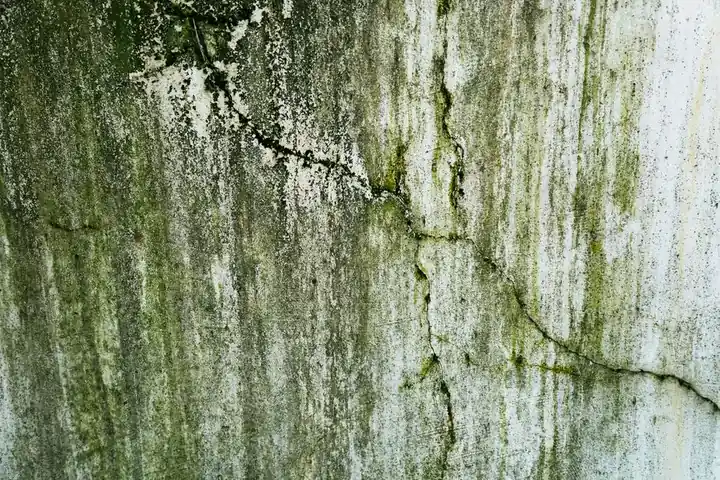
Mold Inspection and Testing in Northwest Raleigh is an indoor environmental assessment that identifies moisture conditions, evaluates suspected mold, and guides sampling when evidence supports it. Raleigh Mold Testing serves Wake County properties from Brier Creek and Leesville to Durant Trails and Brentwood Estates. The area includes established neighborhoods as well as newer construction, so we adjust the inspection to the building rather than treating every house alike.

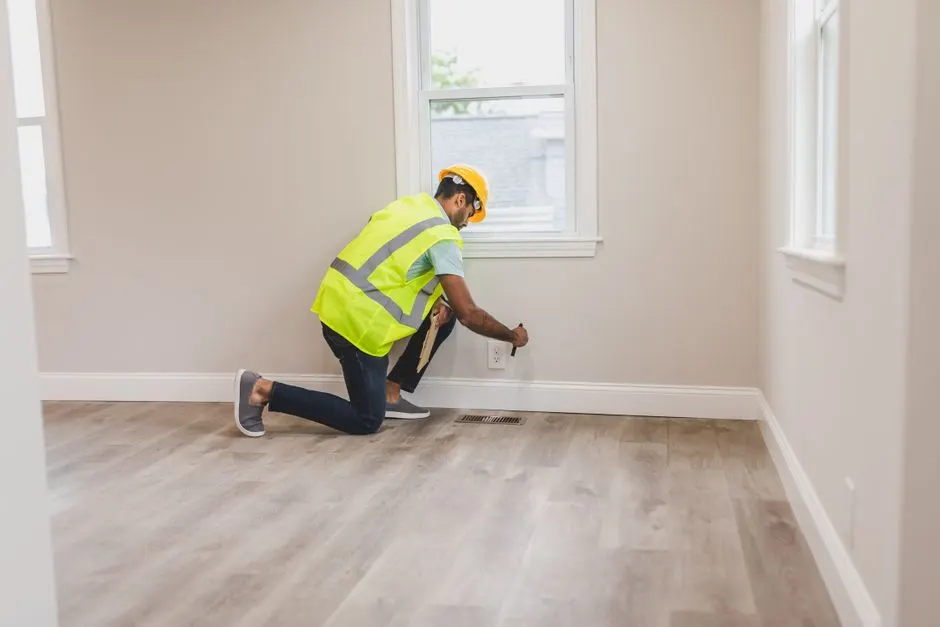
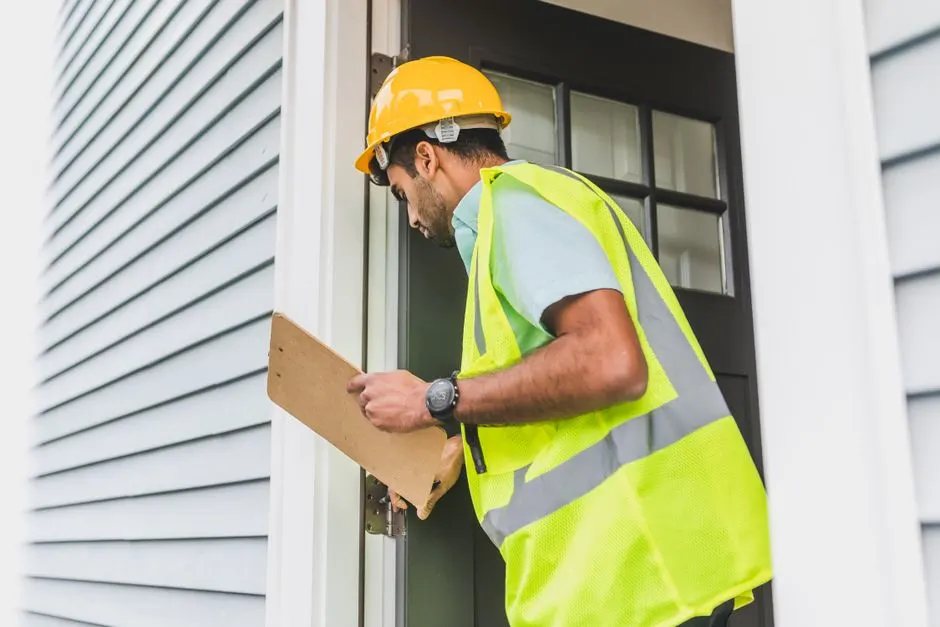
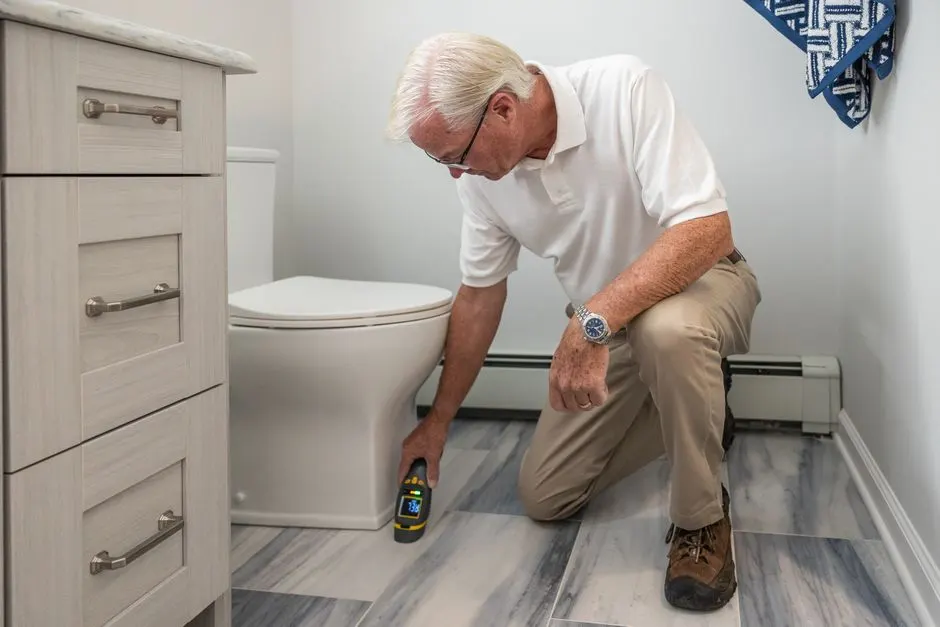
Our Northwest Raleigh mold inspection and testing starts with your concern: a stain after a storm, a persistent musty odor, or growth near a bathroom or HVAC register. We check accessible areas, trace moisture indicators, and use a thermal imaging camera to guide further investigation when appropriate. Thermal images show temperature differences; they do not identify mold by themselves.

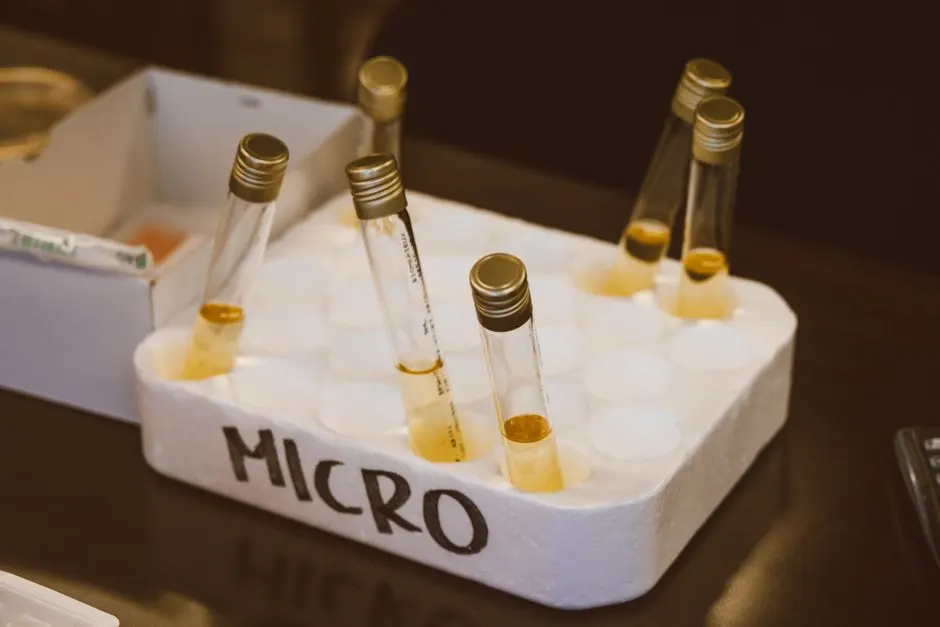
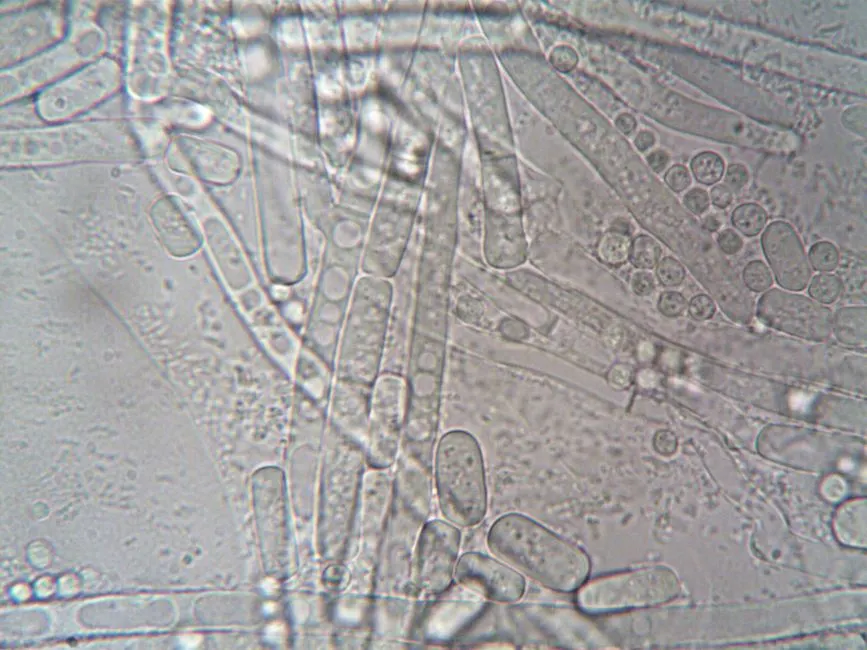
If testing is useful, we collect targeted samples and send them to a qualified laboratory for analysis. You receive a clear report connecting observations, sample locations, and findings, so you can discuss the next step with a remediation contractor, property manager, or insurer. We serve addresses in ZIP codes 27612, 27613, 27615, and 27617.

  • Locally licensed and insured in Northwest Raleigh
  • Same-day diagnostics and written estimates
  • Real workmanship warranty in writing
  • Background-checked, in-house technicians

Northwest Raleigh Mold Inspection Services

Northwest Raleigh's housing mix calls for inspections that match the reported issue, whether you own an established home in Leesville or a newer property in Brier Creek. We offer residential and commercial inspections, moisture checks, air and surface sampling, and post-remediation verification. If you need mold testing for a home in Northwest Raleigh NC, we first establish the question you need answered, then choose suitable sampling locations and document the conditions around them. A sample is most useful when interpreted alongside moisture readings and inspection observations.

Residential Mold Inspection

Residential Mold Inspection

We inspect Northwest Raleigh houses for visible growth, odors, and moisture linked to leaks or condensation. In Leesville and established areas, we check accessible attics, bathrooms, and wall surfaces; in newer construction, we also review ventilation and HVAC condensate conditions. You receive findings tied to the rooms and materials we examined.

View Details
Commercial Mold Inspection

Commercial Mold Inspection

For offices, retail spaces, and other commercial buildings around Brier Creek, we focus on affected suites, shared HVAC areas, and reported water events. We coordinate inspection access with your facility contact and record locations clearly, helping you distinguish a local moisture issue from a concern that requires broader assessment.

View Details
Mold Testing and Sampling

Mold Testing and Sampling

When visual inspection and your concerns support sampling, we collect air or surface samples from selected Northwest Raleigh locations. We note the room, material, and conditions at collection, then submit samples for laboratory analysis. Sampling is targeted; it is not a substitute for locating the moisture source or inspecting the building.

View Details
Air Quality Testing for Mold

Air Quality Testing for Mold

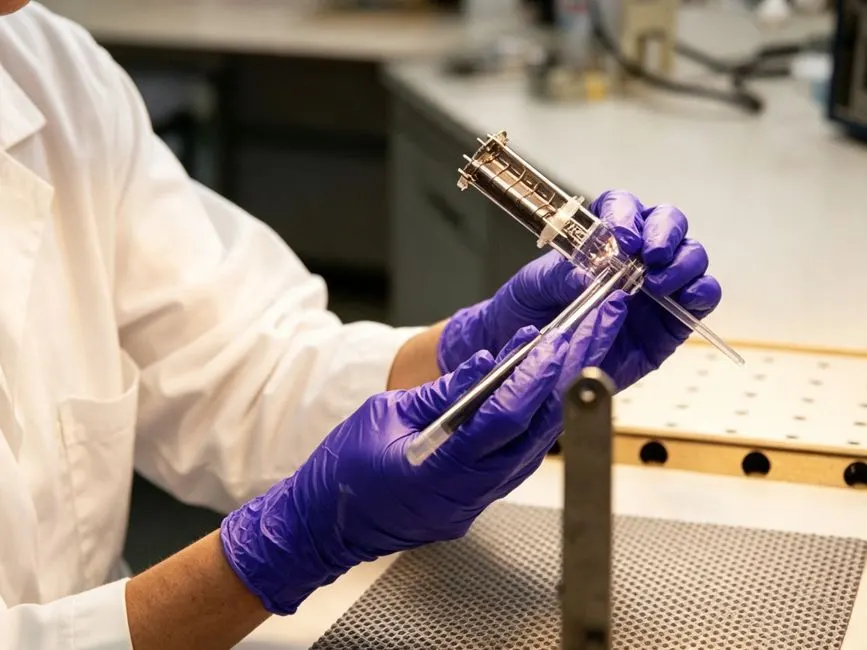
Air sampling can help investigate unexplained indoor odors or concerns in rooms affected by a leak. We select sample locations based on your question and the inspection, using an Air sampling pump and Air-O-Cell cassettes where appropriate. Results are interpreted with site observations rather than treated as a stand-alone diagnosis.

View Details
Surface Mold Testing

Surface Mold Testing

If you see suspected growth on drywall, trim, or another surface, we can collect a targeted swab or tape-lift sample. In Northwest Raleigh bathrooms and kitchens, we document the sampled area and nearby moisture conditions. This helps identify collected material while keeping the inspection focused on the cause and extent of the concern.

View Details
Indoor Air Quality Assessment

Indoor Air Quality Assessment

Our assessment reviews humidity, ventilation, odors, and moisture indicators in the rooms you identify. For properties in Brier Creek and around Lake Lynn, we consider indoor conditions and building operation without assuming a nearby landmark causes a problem. You get practical observations on likely moisture pathways and whether further testing is useful.

View Details
Moisture and Humidity Inspection

Moisture and Humidity Inspection

We measure indoor humidity and check accessible materials where a leak, condensation, or odor has been reported. A hygrometer records relative humidity, while a Protimeter moisture meter helps assess selected building materials. For Northwest Raleigh homes, the readings are interpreted in context, including ventilation and recent weather exposure.

View Details
Water Intrusion and Leak Inspection

Water Intrusion and Leak Inspection

After seasonal storms, we inspect reported roof or wall intrusion, window areas, and visible damage pathways. Our work identifies moisture indicators and areas needing repair investigation; it does not replace a roofer or plumber's repair. We document findings so you can direct the right trade to the right location.

View Details
Post-Water-Damage Mold Inspection

Post-Water-Damage Mold Inspection

After a pipe leak, roof leak, or overflow, we inspect affected Northwest Raleigh rooms for remaining moisture and visible growth. We use readings to assess accessible materials and identify locations that need attention. Prompt inspection is especially useful when water reached drywall, flooring, insulation, or a concealed cavity.

View Details
Pre-Purchase Mold Inspection

Pre-Purchase Mold Inspection

Before closing on a home in Brier Creek, Leesville, or another Northwest Raleigh neighborhood, we investigate reported odors, staining, and moisture concerns. We inspect accessible areas, document limitations caused by finishes or stored belongings, and recommend targeted testing only when it helps resolve a specific concern.

View Details
Mold Inspection for Home Sellers

Mold Inspection for Home Sellers

If you are preparing a Northwest Raleigh property for sale, we inspect known problem areas and document current conditions. A clear record can help you understand a stain or odor before buyer questions arise. We focus on observable evidence and moisture indicators rather than promising that a property is mold-free.

View Details
Rental Property Mold Inspection

Rental Property Mold Inspection

Landlords and property managers can schedule an inspection after a tenant reports an odor, leak, or visible growth. We record affected rooms and moisture conditions in a Northwest Raleigh rental, giving you a useful document for maintenance planning and follow-up. Access coordination and a clear history help keep the visit efficient.

View Details
Attic Mold Inspection

Attic Mold Inspection

We inspect accessible attic areas for staining, visible growth, damp materials, and ventilation concerns. Seasonal temperature changes and humid conditions make roof leaks and attic ventilation useful inspection considerations in Northwest Raleigh. We document what is visible and distinguish moisture evidence from discoloration that needs further evaluation.

View Details
Basement and Crawl Space Mold Inspection

Basement and Crawl Space Mold Inspection

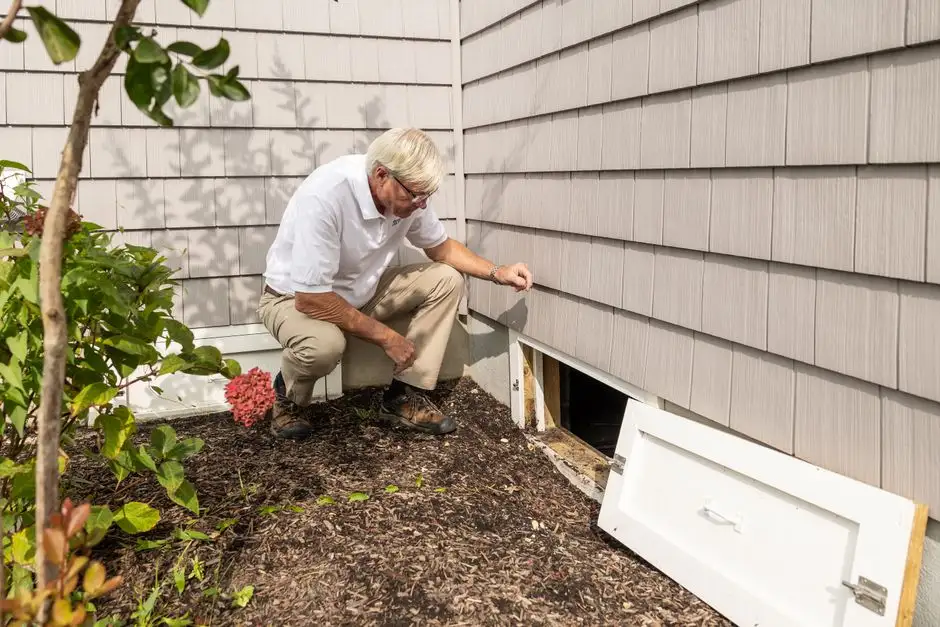
Where a Northwest Raleigh property has a crawl space or below-grade area, we assess accessible surfaces for moisture, odors, and visible growth. We note water entry, damp materials, and ventilation conditions. Restricted or unsafe access is documented, and we explain which areas were not available for inspection.

View Details
HVAC and Duct Mold Inspection

HVAC and Duct Mold Inspection

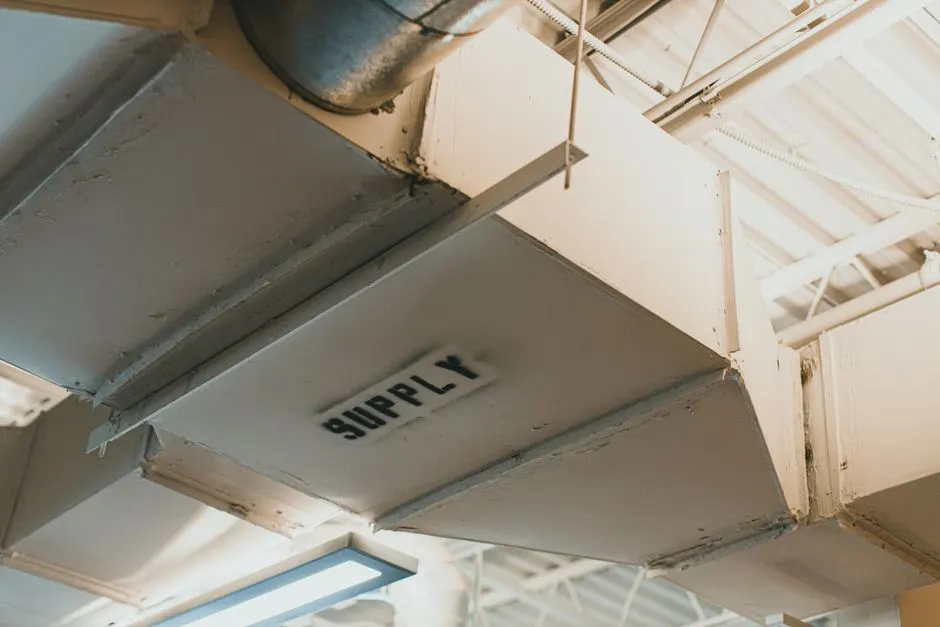
If an odor appears when the system starts, we inspect accessible HVAC components and nearby surfaces for moisture or suspected growth. We consider condensate drainage, filter condition, and temperature differences, but do not assume a duct needs cleaning without evidence. Your report identifies observed conditions and any recommended follow-up.

View Details
Bathroom and Kitchen Mold Inspection

Bathroom and Kitchen Mold Inspection

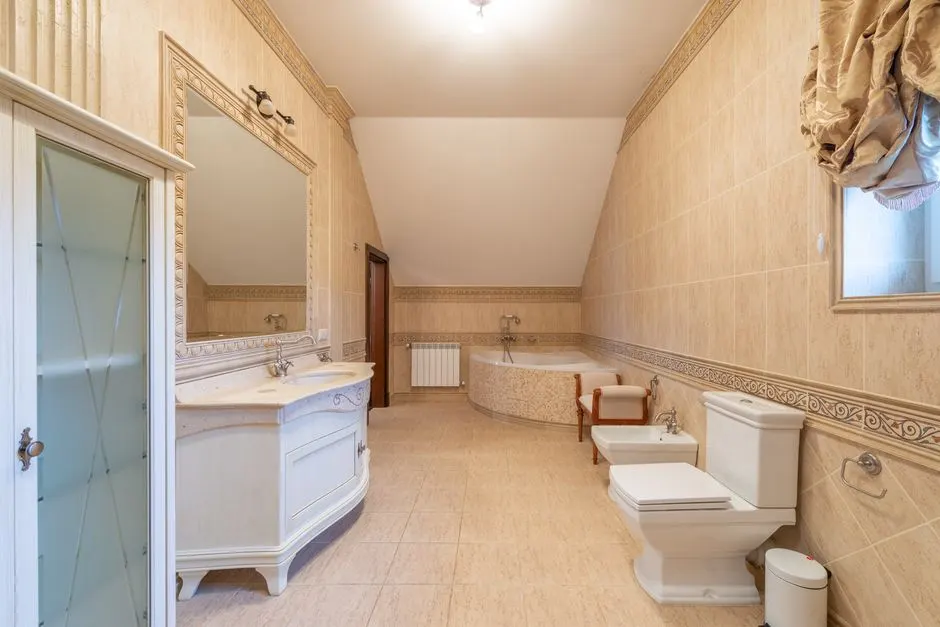
Bathrooms and kitchens often reveal leaks around fixtures, cabinets, and exhaust ventilation. We inspect reported Northwest Raleigh problem areas, measure accessible materials, and look for recurring condensation or water entry. If you see growth returning after cleaning, we investigate the moisture conditions instead of treating the visible patch as the whole problem.

View Details
Mold Inspection for Insurance Claims

Mold Inspection for Insurance Claims

Following a covered water event, we document visible conditions, moisture readings, and relevant sample locations for your records. For a Northwest Raleigh claim, we connect observations to the reported leak or storm event without deciding coverage. You can share the report with your adjuster and repair professionals.

View Details
Clearance Testing After Mold Remediation

Clearance Testing After Mold Remediation

After remediation, we inspect the agreed work area and collect samples when the project plan calls for testing. We look for remaining visible debris, moisture concerns, and conditions relevant to the completed work. Results provide a documented check of the sampled locations, not a guarantee about every concealed area.

View Details
Post-Remediation Verification

Post-Remediation Verification

Our verification visit checks whether the remediated Northwest Raleigh area is visibly clean and whether moisture conditions have been addressed. We review the treated location and available project information, then report findings and any concerns requiring follow-up. Scheduling after work is complete helps avoid sampling during active cleanup.

View Details
Mold Inspection Reports and Documentation

Mold Inspection Reports and Documentation

You receive a report that identifies the inspected areas, observations, moisture readings, sample locations, and laboratory results when testing was performed. For buyers, landlords, and property managers across Northwest Raleigh, clear documentation makes it easier to share findings with a contractor, insurer, or decision-maker.

View Details

Common Northwest Raleigh Moisture Concerns

Northwest Raleigh properties range from established neighborhoods to newer construction, and their moisture pathways differ. Seasonal storms and humid summers increase the need to check for water intrusion, while shaded lots can stay damp longer after rain. HVAC condensate and attic ventilation are useful inspection considerations, but neither is proof of mold on its own. Northwest Raleigh mold inspection and testing focuses on what the building shows: visible growth, elevated moisture readings, water staining, condensation, and odors connected to specific rooms or materials.

Roof leaks leave hidden moisture after ceiling stains dry

Wind-driven rain and seasonal storms can enter through roof details or flashing. A ceiling may look dry while insulation or framing remains damp, particularly if the leak was intermittent. Established homes and newer construction both need a property-specific check; age alone does not identify the source.

Condensation dampens windows, trim, and nearby wall surfaces

Humid indoor air meeting a cold window or exterior surface can create repeated condensation. If water is not dried, nearby finishes may remain damp. The pattern can resemble a leak, so inspection should consider room humidity, surface conditions, and nearby plumbing or exterior exposure.

HVAC condensate or ventilation concerns create recurring odors

A clogged or poorly draining condensate system can leave water near equipment, while ventilation limitations can contribute to persistent dampness. These concerns can occur in many building types and need direct inspection. An odor at a register does not by itself establish contamination inside the duct system.

Shaded exterior walls dry slowly after prolonged rain

Wooded surroundings and shaded lots can limit direct sun on exterior surfaces, so materials may take longer to dry after wet weather. That context can matter around a reported damp wall, but it does not establish interior mold or prove a building defect without evidence.

When to Call a Mold Inspector

Call for Mold Inspection and Testing in Northwest Raleigh when you notice visible growth, a persistent musty odor, or a material that remains damp after a leak. Seasonal storms can expose roof and wall entry, while humid summers make condensation and HVAC condensate worth checking. If a cleanup removed the visible patch but the smell returned, the moisture source may still be active. A mold inspection for water damage in Northwest Raleigh is useful after a roof leak, plumbing failure, or overflow, especially when drywall or insulation was wet.

  • Visible growth returns after cleaning

    Recurring spots on drywall, trim, or a bathroom ceiling suggest the underlying moisture condition may remain. Cleaning the visible surface does not show whether material behind it is damp. Arrange an inspection sooner if the area is spreading or follows a known leak.

  • Musty odor persists in a closed room

    A musty smell that returns after airing out can point to damp materials or an inaccessible moisture source. Note where the odor is strongest and whether it changes when the HVAC runs. We use those details to focus the inspection.

  • Ceiling stain appears after storm rain

    A new or enlarging stain may indicate water intrusion through a roof or wall. Even if the surface dries, insulation or framing may have retained moisture. Photograph the change and tell us when rain or a leak occurred.

  • Windows or cold surfaces collect condensation

    Repeated condensation can leave nearby trim, drywall, or window coverings damp. A hygrometer reading helps establish indoor humidity during the visit, while inspection checks distinguish condensation from a plumbing or exterior leak. Wipe water and note when it returns.

  • Odor or debris appears near HVAC registers

    An HVAC-related odor deserves a look at accessible components, nearby surfaces, and condensate conditions. The smell alone cannot confirm mold in ductwork. If it begins with system operation, record the timing and affected rooms so the inspection can follow that pattern.

Landmarks for Northwest Raleigh Visits

Landmarks help orient a visit, but we schedule to your property address rather than to a public destination. William B. Umstead State Park and Raleigh-Durham International Airport are useful regional reference points for western Northwest Raleigh. Brier Creek Commons helps identify the commercial district, while Lake Lynn Park and Durant Nature Preserve orient other parts of the service area. When you call, share the nearest landmark only as a navigation aid, plus your street address and any parking or entry instructions.

William B. Umstead State Park

The park is a recognizable western Raleigh reference point. It can help callers describe the general direction of a Northwest Raleigh address, but the inspection route and service location are determined by the property's street address.

Raleigh-Durham International Airport

The airport is a major regional orientation point near the western side of the service area. Mentioning it can clarify general location when arranging a visit; it is not a service destination or a reason to infer a building condition.

Lake Lynn Park

Lake Lynn Park is a familiar Northwest Raleigh landmark that helps identify the surrounding part of Raleigh. We use it only for general directions and confirm the customer's exact address before planning access.

Coverage across Northwest Raleigh & Wake County

276172761627615276142761327612276102760927601276032760427605276062760827607276972769527602276192762027622276242762627627

Plus surrounding Wake County neighborhoods, with same-day routing on most appointments.

Northwest Raleigh Customer Feedback

Averaging 4.9 / 5 across verified reviews.

“The inspector checked the stain in our Leesville ceiling and measured the surrounding material instead of guessing from the paint. He explained which readings mattered and noted that the roof leak needed its own repair. The report made the next step clear, and we appreciated having the sample location documented rather than receiving a vague verbal answer.”

D

Dana R.

Leesville

“We called about an odor in a Brier Creek rental after a condensate problem. The visit covered the room, register, and accessible HVAC area, and the inspector explained why an air sample would or would not answer our question. We received a straightforward report that we could share with our maintenance contractor.”

M

Marcus T.

Brier Creek

“Before selling our Northwest Raleigh home, we wanted the bathroom staining checked. The inspector took moisture readings, documented the wall, and explained what a surface test could tell us. The findings were specific to the room and did not make claims about areas that were not opened or inspected.”

E

Elena P.

Lake Lynn area

Seasonal Mold Inspection Considerations

As November brings cooler weather, Northwest Raleigh homeowners should watch for lingering storm-related leaks, condensation on cold surfaces, and odors that become noticeable when windows stay closed. Winter checks often begin with a ceiling stain or damp window trim. Spring rain can reveal roof and wall entry; summer humidity makes HVAC condensate and ventilation important; fall storms can expose weak roof details. If a leak has affected finished materials, a prompt inspection helps document conditions before repairs conceal the evidence.

Spring

Spring rain can reveal roof leaks, window entry, and dampness around exterior walls. Check ceilings and upper corners after storms, especially if a stain grows or returns. A visible change after rain is useful timing information for the inspection.

Tip: Photograph fresh staining and record the date of the rain event. Avoid covering wet materials before they are assessed, and arrange roof repair separately if water is still entering.

Summer

Humid summer air can increase condensation on cool surfaces and make HVAC condensate concerns more noticeable. A persistent odor near a register or dampness around a bathroom should be checked alongside indoor humidity and accessible ventilation conditions.

Tip: Keep HVAC filters maintained and watch for standing condensate near equipment. Tell us which rooms smell different when the system starts, and whether the concern changes when it is off.

Fall

Fall storms can test roof details and expose leaks before colder weather arrives. Leaves or debris can affect drainage around a property, so take note of water marks, damp walls, or new attic staining without assuming the source.

Tip: After a storm, inspect accessible ceilings and attic areas from a safe position. Record where water appeared and call for an inspection if materials remain damp or odors develop.

Winter

Cooler outdoor temperatures can make condensation more visible on windows and cold surfaces, while closed rooms can hold musty odors. In November and winter, compare affected rooms and note whether condensation forms overnight or after cooking and bathing.

Tip: Wipe visible condensation and improve ordinary ventilation where practical. If water marks persist, a wall feels damp, or an odor remains, schedule an assessment before repainting or sealing the surface.

Service Across Raleigh Neighborhoods

Northwest Raleigh is part of our wider Raleigh service area, and we coordinate inspections across the city for homeowners, landlords, buyers, and businesses. A reported leak, musty odor, or remediation project can require the same careful moisture assessment wherever the property sits. We connect Northwest Raleigh customers with nearby service coverage while keeping each visit focused on the building, the reported conditions, and the access details you provide.

Northwest Raleigh Mold Inspection FAQs

Real answers from our team for the questions we hear most often before a job starts.

How much does mold inspection and testing cost in Northwest Raleigh?
A residential inspection often costs $250-$500, with targeted laboratory samples adding about $75-$150 each in typical 2026 pricing. The final amount depends on property size, affected rooms, access, and sample count. We explain the price before work begins. Laboratory results commonly take 2-5 business days after sample receipt, depending on the selected analysis.
Where can I find a mold inspector near Northwest Raleigh NC?
Raleigh Mold Testing serves Northwest Raleigh and surrounding Wake County neighborhoods, including Brier Creek, Leesville, Umstead, and Durant Trails. Call +18668968166 with your address, the affected rooms, and the concern you noticed. We arrange an inspection based on the property and can discuss mold testing services near Northwest Raleigh NC for residential or commercial spaces.
How quickly can mold testing be scheduled in Northwest Raleigh?
Same-day or next-day appointments may be available, and we confirm the earliest opening when you call. Scheduling depends on the inspection type, property access, and whether laboratory sampling is needed. If you have an active leak, tell us when water entered and which materials were wet so we can plan the visit around the immediate concern.
What does a mold assessment in Northwest Raleigh include?
A mold assessment includes a visual review of reported areas, moisture checks on accessible materials, and documentation of odors, staining, or visible growth. Sampling is added when it can answer a defined question. Our indoor mold assessment Northwest Raleigh report identifies areas inspected, relevant readings, sample locations, and any limits caused by access or finished surfaces.
Can you perform post-remediation mold clearance testing in Northwest Raleigh?
Yes, we can inspect a completed remediation area and collect samples when the project plan calls for testing. We check visible conditions and moisture concerns, then document sampled locations and laboratory findings. For post-remediation mold clearance testing near Northwest Raleigh NC, schedule after active cleanup is complete and the work area is accessible.

Book Mold Inspection and Testing in Northwest Raleigh

If a leak, musty odor, or visible growth has you concerned, call Raleigh Mold Testing to arrange an inspection in Northwest Raleigh. We check accessible materials, document moisture conditions, and explain whether sampling will help answer your question. Our report records the areas inspected and relevant findings. Call +18668968166 to discuss your property and schedule a visit.

Call Our Team Send a Message

Contact Raleigh Mold Testing

Tell us what you noticed, where it is happening, and whether there has been a recent leak or cleanup. Call +18668968166 to discuss Mold Inspection and Testing in Raleigh, NC. Our phone line is open Monday through Friday, 08:00 to 18:00; we respond during business hours and help you identify the right next step for your property.

Or call us right now at +18668968166 — we answer.

Raleigh Mold Testing


  • Phone

    +18668968166
  • Address

    Raleigh, North Carolina

  • Hours

    Mon–Fri: 7AM – 7PM
    Sat: 8AM – 4PM
    Sun: Emergency Only
    24/7 Emergency Available

Call +18668968166 Get Quote
Call Quote