01
A Raleigh homeowner notices a musty odor after several days of rain, strongest near a ground-floor hallway.
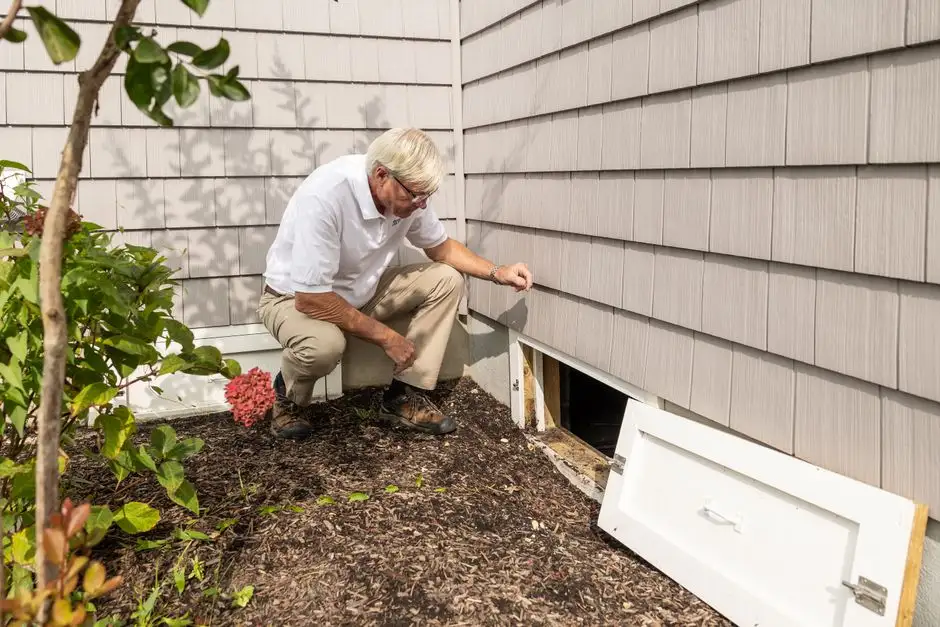
What we do: We inspect the connected crawl space and nearby basement areas for damp insulation, wet framing, standing water, and foundation staining. Moisture readings help distinguish a current issue from an old mark. We explain whether the likely source is drainage, plumbing, or another condition that needs a closer check.
→ You get a documented view of the accessible areas and a practical order for correcting moisture and checking the odor afterward.
02
A water heater or supply line leaked into a basement before the homeowner noticed damp flooring.
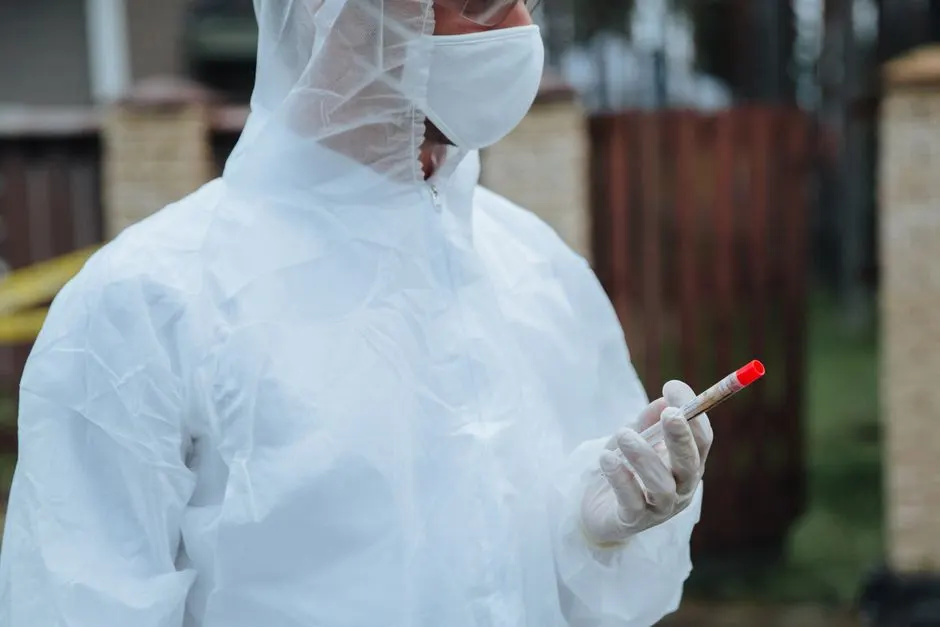
What we do: We review the reported leak area, trace accessible affected materials, and check for moisture that remains after surface cleanup. If conditions warrant, we identify sample locations and discuss testing. This basement mold inspection after water intrusion Raleigh NC helps you understand what requires drying or repair.
→ You can focus follow-up on materials with evidence of dampness instead of treating every nearby surface the same way.
03
A buyer touring an older Raleigh home smells a persistent odor near the crawl space access.
What we do: We inspect accessible framing, insulation, foundation surfaces, and plumbing routes, then document visible growth, staining, and moisture readings. We explain access limits and flag conditions that need a contractor's evaluation or additional testing before the buyer decides how to proceed.
→ The buyer receives specific below-grade findings to consider alongside the general home inspection and repair discussions.
04
A property manager receives a tenant report of dampness and musty air in a lower-level unit.
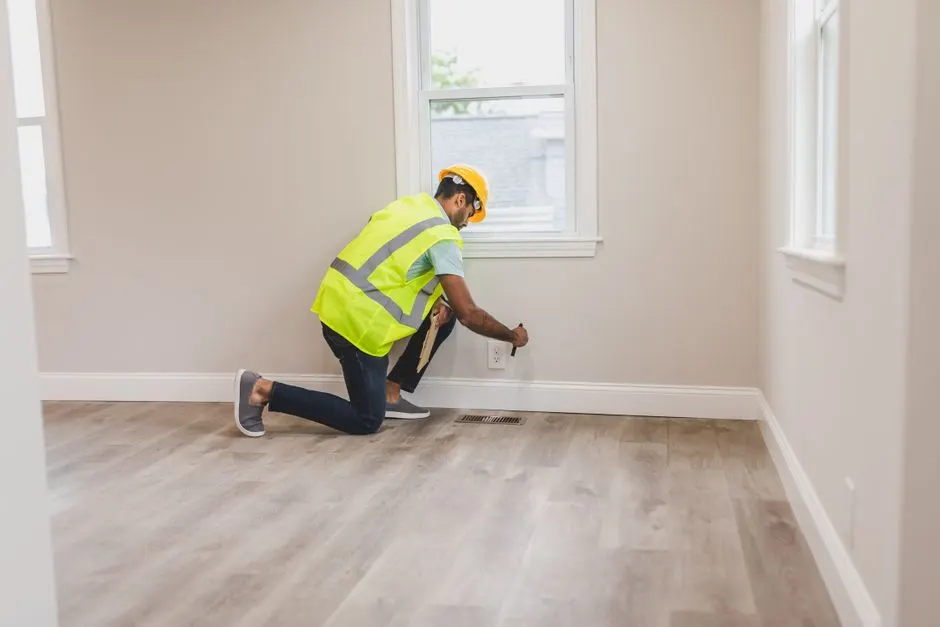
What we do: We inspect the reported unit and relevant accessible basement or crawl space areas, looking for intrusion, plumbing leaks, and humidity patterns. Our notes identify observed conditions and locations, giving the manager a factual basis for maintenance coordination and follow-up.
→ The property team can address the moisture source, communicate documented findings, and arrange a focused recheck if needed.