Logo
Get Estimate

Bathroom and Kitchen Mold Inspection Raleigh NC

Find hidden moisture, identify mold concerns, and plan repairs.


Bathroom and Kitchen Mold Inspection Raleigh NC helps homeowners locate visible growth, damp materials, and the moisture source behind recurring bathroom or kitchen problems. We inspect sinks, showers, cabinets, plumbing areas, and nearby building materials, then explain what we find in plain language. If you notice musty odors, staining, or a leak that keeps returning, our Raleigh team gives you a focused assessment and clear next steps.

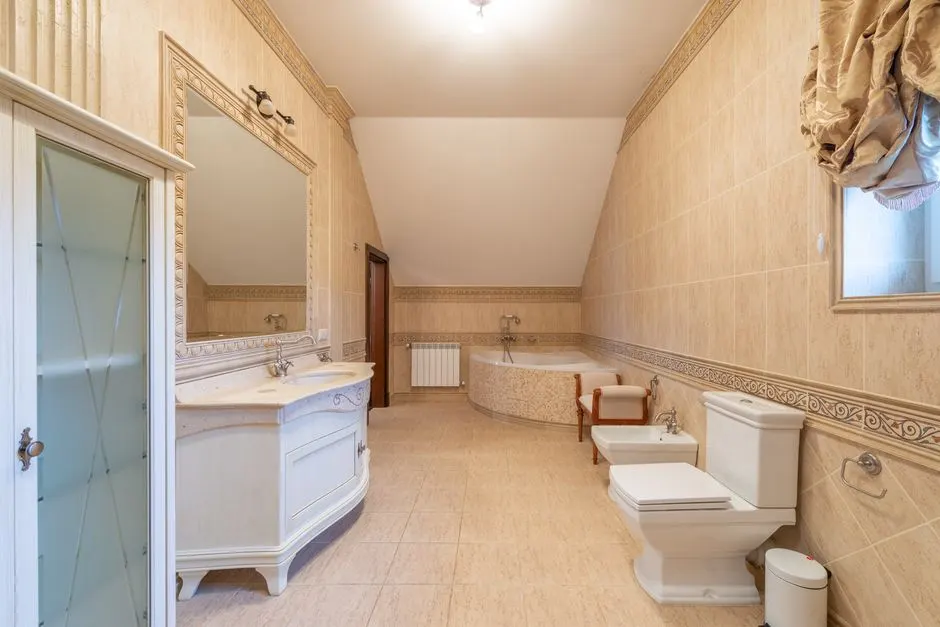
Spacious modern bathroom with contemporary design elements including a large bathtub and elegant fixtures.
Licensed Licensed & Bonded
Fully Insured Insured & Bonded
24/7 Emergency Same-Day Response
Warranty Backed Workmanship Guaranteed in Raleigh

What's Included in the Inspection

Bathroom and Kitchen Mold Inspection Raleigh NC covers a visual review of accessible wet-room surfaces, moisture checks at relevant materials, and a discussion of likely sources. We document the affected locations and explain what the readings mean. Laboratory sampling is added when a defined identification or comparison question calls for it; repairs and remediation are separate work handled by the appropriate contractor.

Visual Room Review

We inspect accessible surfaces around fixtures, cabinets, appliance connections, shower edges, and nearby walls. You can point out prior repairs or odor locations as we record visible staining, suspected growth, and conditions that may direct further checks.

Moisture Measurements

We use moisture meters on appropriate materials and compare readings with nearby areas where possible. This helps locate dampness around a sink, tub, or dishwasher and gives you a documented basis for deciding whether drying or repair needs attention.

Humidity and Ventilation Clues

We check room humidity and look for signs of weak exhaust, condensation, or repeated surface wetting. These observations help explain why a bathroom or kitchen stays damp even when there is no obvious active leak.

Findings and Next Steps

We review what we found with you and identify practical priorities, such as plumbing repair, improved drying, or follow-up inspection. If sampling is selected, its purpose and the relevant result are presented alongside the room conditions.

Bathroom and Kitchen Mold Inspection Raleigh NC


Bathroom and Kitchen Mold Inspection Raleigh NC is a property inspection that checks wet rooms for visible mold, moisture conditions, and likely water sources. We examine accessible surfaces around tubs, showers, sinks, toilets, dishwashers, and refrigerators, then use a moisture meter to compare readings in affected and dry materials. Where conditions call for more detail, we use thermal imaging to locate temperature patterns associated with dampness and explain whether sampling would answer a specific question. The inspection identifies conditions; it does not replace plumbing repair or remediation.

Raleigh kitchens and bathrooms face repeated wetting from everyday use, small supply-line failures, poor exhaust ventilation, and water intrusion through roofs or walls. Elevated indoor humidity and condensation on cold surfaces can keep grout, cabinet backs, and drywall damp long enough for growth to develop. Our Raleigh bathroom mold assessment looks beyond the stain to the source, especially after a plumbing leak or a musty odor that returns after cleaning. A bathroom mold assessment for a Raleigh home can help separate a surface cleanup issue from concealed moisture that needs attention.

What Happens During Inspection

Bathroom and Kitchen Mold Inspection Raleigh NC follows a room-by-room process designed to find the source, document conditions, and explain next steps. We ask about leaks and odors first, then inspect accessible areas with you present. Most appointments take about 1.5 to 3 hours, depending on the number of rooms and the extent of visible concerns.

01

Schedule

Call or book online — a real human picks up and confirms a 2-hour arrival window.

02

Diagnose

Licensed tech inspects on-site, then walks you through the cause and your options.

03

Fix

The job is completed to code and done right the first time — no shortcuts, no surprises.

04

Guarantee

Every job backed by a written workmanship warranty — and we stand behind it.

Inspection Tools and Methods

Tools & Equipment

Pinless moisture meter

We scan suitable wall, cabinet, and flooring surfaces without making pin holes, then compare readings with similar nearby materials to locate areas needing closer attention.

Pin-type moisture meter

Where a material measurement is appropriate, pins provide a direct reading at the contact point. We use results with the material type and inspection context in mind.

Thermal imaging camera

A thermal camera screens for temperature patterns that can indicate a difference worth checking; it does not identify mold or prove moisture by itself.

Hygrometer

We measure room humidity to understand whether indoor conditions may be contributing to condensation or slow drying in a kitchen or bathroom.

Borescope

When a suitable existing opening provides access, a borescope can help view a concealed cavity without creating an opening solely for the inspection.

Air sampling pump

When air sampling is selected to answer a defined question, the pump draws a controlled air sample through a cassette for laboratory analysis.

Methods & Standards

Visual and moisture mapping

We first document visible conditions, then map moisture readings at affected and comparison locations. The combination helps connect a stain or odor to material conditions without treating a single meter reading as a diagnosis. We record where readings were taken so you can understand the basis for the findings.

Targeted surface sampling

If identifying material on a specific surface will guide a decision, we can collect a swab or tape-lift sample from the selected area. Samples are labeled by location and sent for analysis through an appropriate laboratory process. The result is interpreted with the visual and moisture observations.

Air sampling when indicated

Air sampling is considered when the concern involves airborne particles or a room-to-room comparison, not as a default for every inspection. We choose locations based on the question, use an air sampling cassette and pump, and explain that a result represents conditions during collection rather than every hour of the day.

Source-first assessment

We trace likely water pathways from fixtures, seals, appliance connections, and building surfaces before discussing cleanup. Correcting the moisture source is essential to preventing repeat conditions. We explain when a plumber, roofer, or remediation contractor should handle work beyond inspection.

When to Schedule an Inspection

01

A Five Points homeowner finds a musty smell beneath the kitchen sink after replacing a faucet supply line.

What we do: We inspect the cabinet base, supply connections, and adjacent flooring for visible changes and moisture readings. We ask when the line was replaced and whether the odor changes after the sink is used. The results help separate a resolved drip from ongoing dampness that needs repair or drying.

→ You learn whether the cabinet area shows current moisture concerns and which repair or follow-up step should come first.

02

A North Raleigh bathroom develops recurring dark marks at the shower edge despite regular cleaning.

What we do: We review the shower perimeter, nearby wall materials, and room humidity, then look for failed seals or repeated condensation. If a surface sample would answer a specific identification question, we explain that option. Our inspection focuses on the wetting pattern rather than treating every mark as the same problem.

→ You get a clearer distinction between surface staining and conditions that warrant moisture correction or further testing.

03

A Downtown Raleigh rental unit has a damp cabinet after a dishwasher hose leak.

What we do: We document the accessible cabinet and flooring conditions, check surrounding materials, and note the reported leak history. The property manager can use the location-specific findings to coordinate appliance repair, drying, and any follow-up readings without guessing which areas were affected.

→ The owner receives a practical record of observed conditions and a defined order for maintenance actions.

04

A homeowner in Oakwood notices condensation and a musty odor during colder weather.

What we do: We assess bathroom surfaces, check room humidity, and inspect accessible areas around the exhaust fan and nearby cold surfaces. We look for moisture patterns that distinguish routine condensation from a leak. The conversation covers ventilation use and any repair clues found during the visit.

→ You understand whether humidity control, plumbing investigation, or a more focused follow-up is the sensible next move.

How Raleigh Inspections Work Locally

Bathroom and Kitchen Mold Inspection Raleigh NC accounts for humid summers, seasonal rain, and cooler periods when condensation can form on windows and cold surfaces. In older homes near Oakwood and Five Points, plumbing changes and layered finishes can make a small leak harder to trace; newer kitchens can still develop hidden moisture beneath dishwashers or cabinet toe kicks. We use a Raleigh bathroom mold assessment to focus on the actual room history, including a storm-related roof leak, an overflowing tub, or a supply line that failed while the home was unattended. A Bathroom and Kitchen Mold Assessment for musty odors Raleigh homeowners request starts with the odor location and timing, then checks nearby materials and humidity. We serve Wake County and use the applicable local building context when describing observed conditions, but an inspection is not a code inspection or a repair permit. ZIP coverage includes 27613 and 27612, along with other Raleigh areas. If repair work is needed, we identify the trade that should address the source and explain what inspection findings to share.

Neighborhoods We Serve

  • Oakwood

    Older homes and remodeled wet rooms can have concealed plumbing routes or layered finishes. We focus readings around fixtures and adjacent materials where prior repairs or recurring odors are reported.

  • Five Points

    A sink cabinet or shower leak can affect trim and flooring beyond the visible mark. We check nearby accessible surfaces and compare them with unaffected areas.

  • North Raleigh

    Dishwashers, refrigerators, and bathroom supply lines are common inspection points after a leak. We document the reported water path and check accessible cabinet and floor edges.

  • Downtown Raleigh

    In apartments and mixed-use buildings, bathrooms and shared plumbing areas can involve more than one unit. We record the affected room and conditions visible during the appointment.

Local Conditions We Plan For

  • Warm, humid summer air slows drying after routine splashes or leaks

    When indoor humidity stays elevated, cabinet interiors and shower corners can dry slowly, especially with limited exhaust. We measure room conditions and check whether the affected materials differ from nearby surfaces, helping distinguish a ventilation concern from a plumbing leak.

  • Seasonal rain can expose roof and wall water pathways

    Water intrusion may show up as bathroom ceiling staining or damp kitchen wall materials after storms. We ask when the mark appeared, inspect accessible areas, and look for moisture patterns that indicate whether building-envelope follow-up is warranted.

  • Cool surfaces encourage condensation during colder weather

    Condensation on windows, exterior walls, or nearby finishes can produce repeated dampness without a fixture leak. We consider room humidity, ventilation, and the location of the affected surface before recommending practical changes or further investigation.

Kitchen Cabinet Leak Traced

Before

A Raleigh homeowner noticed a persistent odor beneath the kitchen sink after a small supply-line leak. The cabinet floor looked dry from above, but the smell returned after cleaning and the toe kick had begun to swell. The source and extent were uncertain, so replacing cabinetry immediately risked missing a damp area behind it.

After

We inspected the accessible plumbing area and compared readings at the cabinet base, toe kick, and nearby dry surfaces. The findings identified a localized moisture concern and gave the homeowner a specific location for plumbing repair and drying. A follow-up check can confirm whether the affected material has returned to a dry condition before cosmetic replacement.

Maintenance: Check under the sink monthly and after plumbing work. Keep stored items clear of the cabinet floor so a new drip or swelling is visible early.

Before

A bathroom in North Raleigh had a musty smell that was strongest after showers. The homeowner had cleaned the grout twice, but the odor returned within days. No obvious leak was visible, leaving uncertainty about whether the problem involved the shower edge, room humidity, or a concealed plumbing connection.

After

We inspected the shower perimeter and nearby surfaces, checked room humidity, and recorded moisture comparisons around the affected area. The homeowner received a clear explanation of which observations pointed to repeated wetting and which areas showed no concerning difference. That guided attention toward the seal and ventilation rather than an unnecessary full-room tear-out.

Maintenance: Run the exhaust fan during bathing and for about 20 minutes afterward. Watch for renewed odor, loose caulk, or a mark that grows after use.

Before

A Downtown Raleigh rental unit had a dishwasher hose leak that left the cabinet edge and floor damp. The appliance repair stopped the leak, but the property manager could not tell how far water had travelled or whether the toe kick remained wet.

After

We checked accessible cabinet and flooring edges, documented moisture readings, and marked the locations that needed drying attention. The manager had a practical record for coordinating repairs and could arrange a targeted recheck instead of removing unaffected cabinets. The inspection clarified next actions without presenting the leak repair as proof that all materials were dry.

Maintenance: After appliance service, inspect the floor edge and cabinet base for swelling or odor. Keep the leak repair record and compare follow-up readings at the documented locations.

Solutions for Recurring Musty Odors

A persistent smell or stain in a Raleigh kitchen or bathroom often points to moisture that has not been corrected. Our inspection checks likely sources and affected materials so you can choose a targeted response. Bathroom and Kitchen Mold Assessment Raleigh NC helps you move from repeated cleaning toward a documented cause and next step.

Problem

Musty odor returns under a sink after surface cleaning

A hidden drip or damp cabinet base can keep materials wet, allowing the odor to persist and damage to spread into adjacent flooring or trim.

Our Fix

We inspect accessible plumbing connections, cabinet surfaces, and nearby materials, then compare moisture readings to surrounding areas. If the source is not visible, we explain the clues and the next check needed. You get a focused repair direction instead of masking the smell with repeated cleaning.

Problem

Dark marks appear again along shower grout and caulk

Repeated wetting, failed seals, or poor ventilation can keep corners damp and lead to recurring discoloration or deterioration of adjacent finishes.

Our Fix

We examine the shower perimeter, nearby wall and floor surfaces, and ventilation conditions. We distinguish visible staining from areas that show moisture concerns, then identify whether resealing, ventilation correction, or further evaluation should be prioritized. The findings help you avoid treating grout alone while the wetting pattern continues.

Problem

A dishwasher or refrigerator leak dampens kitchen materials

Water can travel beneath cabinets or flooring beyond the point where the leak first appeared, leaving concealed materials wet after the appliance is repaired.

Our Fix

We check accessible appliance edges, toe kicks, cabinet bases, and adjacent flooring for signs of moisture migration. We document suspect locations and recommend drying or follow-up readings where warranted. If the water path points to a plumbing issue, you have specific observations to share with the repair professional.

Problem

Bathroom wall staining follows a roof or plumbing leak

A stain can remain after the original water event while concealed materials stay damp, increasing repair scope if the affected area is overlooked.

Our Fix

We compare the stain with surrounding wall and trim conditions, look for moisture patterns, and ask when the leak occurred. Thermal imaging can help screen for temperature differences, with meter readings used for confirmation. You receive practical guidance on whether the area needs drying, repair, or additional access.

Clear Findings, Practical Next Steps

Clear Findings, Practical Next Steps

Bathroom and kitchen inspections in Raleigh give you a focused account of where moisture is present and what to address first. We connect observed conditions to likely sources, so you can make repair decisions without guessing. You'll get explanations tied to your rooms and materials, not generic advice.

  • Locate Moisture Sources

    We check the areas most likely to leak or stay damp, including sink traps, supply connections, shower corners, and cabinet bases. Comparative readings help identify materials that differ from nearby dry surfaces. That detail supports a targeted repair instead of opening walls or replacing cabinets without evidence.

  • Separate Stains From Growth

    Dark grout, mineral deposits, and old water marks do not all mean active mold. We document visible conditions and assess surrounding moisture before recommending sampling. For a kitchen mold inspector Raleigh NC residents want an evidence-based visit, this distinction keeps the report centered on what the inspection actually establishes.

  • Choose Testing Deliberately

    Sampling is useful when identification or a documented comparison will affect a decision; it is not automatically needed for every spot. We explain the question a sample can answer, collect it with appropriate equipment when selected, and provide results in context. You get a practical basis for the next step.

  • Reduce Repeat Damage

    Finding the water source is essential because cleaning visible growth without correcting moisture often leads to recurrence. We check ventilation, plumbing clues, and nearby materials, then explain repair priorities. A bathroom and kitchen mold inspection Raleigh homeowners schedule after a leak can help limit additional damage by directing attention to wet areas early.

Practical Inspection Expertise

Bathroom and Kitchen Mold Inspection Raleigh NC demands more than spotting discoloration; the inspector must connect moisture readings, building materials, and water history. Our team applies local experience to common residential conditions, including cabinet leaks, shower failures, recurring condensation, and damp drywall. We use calibrated instruments and document observations in a way that makes the findings useful to homeowners, property managers, and contractors. When sampling is appropriate, we explain its purpose and use a laboratory with relevant accreditation. We do not claim a business tenure or credential number we cannot substantiate; we keep the work focused on careful observation, defensible measurements, and clear communication.

  • We compare damp-area readings with nearby dry materials so you can see why a location was flagged.
  • Our technicians use FLIR thermal imaging as a screening aid, then verify suspicious patterns with moisture measurements.
  • Sampling can use Air-O-Cell cassettes or surface methods when a clear question makes laboratory analysis useful.
  • We document visible mold growth, odor reports, moisture locations, and accessible inspection limitations in the findings.
  • Our approach follows EPA mold guidance and uses safety practices appropriate to the conditions encountered.
Get Started Today
Practical Inspection Expertise

Frequently Asked Questions

Real answers to the questions we hear most often from local homeowners and property managers.

How much does a bathroom mold inspection cost in Raleigh?
A focused Raleigh bathroom or kitchen mold inspection commonly costs about $250 to $650 in 2026, with laboratory sampling priced according to the number and type of samples. The final amount depends on room count, access, and whether testing is needed. We explain the price upfront before work proceeds. A bathroom and kitchen mold inspection near me Raleigh NC search is a useful starting point, but the inspection scope and sampling choices determine the actual cost.
What causes mold around kitchen sinks and bathroom fixtures?
Persistent moisture causes mold around fixtures, most often from slow leaks, failed seals, splash water, or poor ventilation. A cabinet can stay damp even after a drip stops, and shower corners may remain wet when exhaust is weak. We inspect supply lines, traps, caulk, adjacent materials, and ventilation clues. If the source is hidden, moisture readings and targeted checks help identify where further plumbing or building investigation is needed.
When should I schedule a kitchen mold assessment in Raleigh NC?
Schedule an inspection within 24 to 48 hours of discovering a leak, recurring musty odor, or new staining so the moisture history is easier to trace. Book sooner if flooring feels soft, a cabinet base is swollen, or water is still entering. Our kitchen mold inspection after a plumbing leak Raleigh NC service checks accessible materials and the likely water path, then explains whether drying, repair, or sampling should come next.
Can an inspection find hidden moisture behind bathroom walls?
An inspection can identify clues to hidden moisture, but it cannot see through every wall without an opening. We use thermal imaging and moisture meters to locate patterns that warrant closer investigation, then explain the evidence and limits. A borescope may help through an existing access point when appropriate. If concealed wet materials are suspected, you receive a clear recommendation for the next diagnostic or repair step rather than an unsupported guarantee.

Related Inspection Services

Residential Mold Inspection

A whole-home inspection extends a bathroom or kitchen visit to bedrooms, living areas, and other rooms with odor or water history. We compare concerns across the property and help you understand whether moisture is isolated to one fixture or appears in additional areas.

View Residential Mold Inspection

Commercial Mold Inspection

Restaurants, offices, and rental facilities have sinks, restrooms, and break rooms with frequent water use. A commercial inspection documents affected areas and moisture concerns so building operators can coordinate maintenance while limiting disruption to occupied spaces.

View Commercial Mold Inspection

Mold Testing and Sampling

When a surface or air question needs laboratory analysis, targeted sampling can supplement the room inspection. We explain what the sample can establish, collect using appropriate methods, and relate the result to the visible and moisture findings.

View Mold Testing and Sampling

Air Quality Testing for Mold

Air sampling can help investigate airborne concerns when a musty odor or suspected spread is not limited to one surface. We select sampling locations based on the question and interpret results alongside room conditions, not as a standalone measure of building health.

View Air Quality Testing for Mold

Surface Mold Testing

Surface testing can help identify growth on a specific cabinet, tile joint, or wall finish when appearance alone does not answer the question. The result is tied to the sampled location and considered with moisture evidence and the room's history.

View Surface Mold Testing

Indoor Air Quality Assessment

A broader indoor air assessment considers humidity, ventilation, and other conditions beyond visible mold. It can be useful when odors persist across rooms or bathroom exhaust is weak, helping you understand whether the problem extends beyond one wet fixture.

View Indoor Air Quality Assessment

Book Bathroom and Kitchen Mold Inspection Raleigh NC

Get a focused inspection for a leak, recurring odor, or visible growth in your Raleigh home. Our team documents moisture conditions and explains practical next steps. Call us to schedule your inspection.

Call our team Schedule Inspection

Contact Raleigh Mold Testing

Tell us what you noticed, where it is happening, and whether there has been a recent leak or cleanup. Call +18668968166 to discuss Mold Inspection and Testing in Raleigh, NC. Our phone line is open Monday through Friday, 08:00 to 18:00; we respond during business hours and help you identify the right next step for your property.

Or call us right now at +18668968166 — we answer.

Raleigh Mold Testing


  • Phone

    +18668968166
  • Address

    Raleigh, North Carolina

  • Hours

    Mon–Fri: 7AM – 7PM
    Sat: 8AM – 4PM
    Sun: Emergency Only
    24/7 Emergency Available

Call +18668968166 Get Quote
Call Quote