Logo
Get Estimate

Clearance Testing After Mold Remediation Raleigh NC

Independent checks for a clean, dry, ready-to-use property


Clearance Testing After Mold Remediation Raleigh NC gives homeowners, landlords, and property managers objective evidence that cleanup addressed visible growth and moisture conditions. Our team checks the remediated area, takes appropriate air or surface samples, and explains the findings in plain language. If your contractor has finished work but you still notice a musty odor, or you need documentation before reopening a room, we help you decide what is ready and what needs attention.

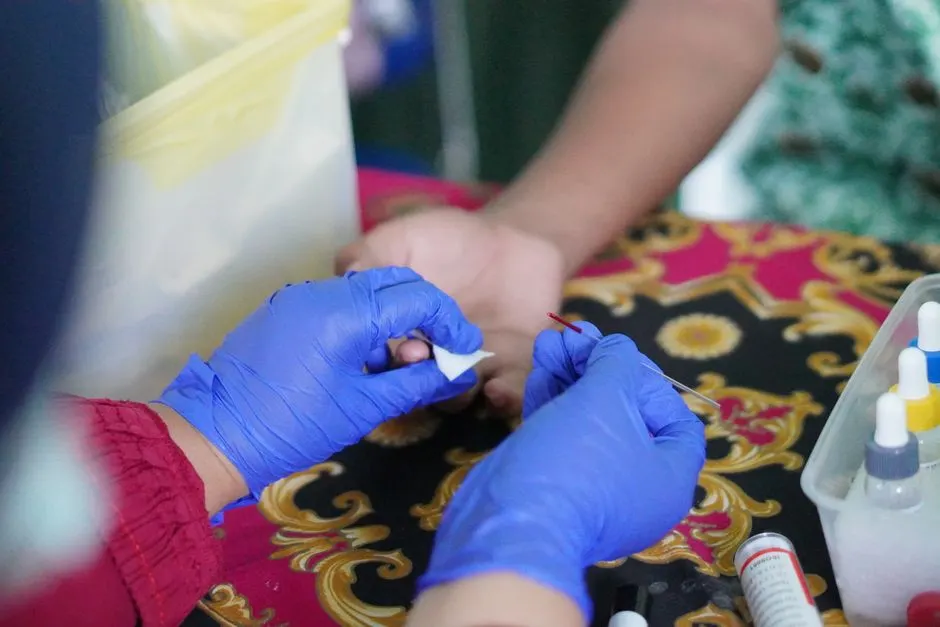
Healthcare professional collecting blood sample, focus on hygiene and precision.
Licensed Licensed & Bonded
Fully Insured Insured & Bonded
24/7 Emergency Same-Day Response
Warranty Backed Workmanship Guaranteed in Raleigh

What Raleigh Clearance Testing Includes

A standard visit covers a review of the remediation area, visual inspection, selected moisture checks, and a written summary of observations. Sampling is chosen to fit the concern and may involve separate laboratory fees based on sample type and quantity. Access to concealed cavities, extensive multi-zone sampling, or a broader building assessment changes the work required. We agree on the inspection focus and price with you before starting.

Remediation Area Review

We review the rooms, surfaces, and boundaries addressed during cleanup, then compare the finished area with the reported work. This creates a clear inspection focus and helps us note any adjacent condition that could affect the result.

Visual And Moisture Checks

We inspect accessible materials for visible growth, residue, odor, and signs of incomplete drying. Selected moisture readings help identify damp drywall, framing, or flooring that could undermine the cleanup if left unresolved.

Targeted Sample Collection

When sampling is appropriate, we collect air or surface samples from locations tied to the concern. Each sample is labeled, documented, and sent for analysis when requested; results are interpreted alongside site conditions and inspection observations.

Written Findings

Your report identifies inspected locations, methods used, observations, and laboratory data when applicable. We explain whether findings support the intended clearance decision and describe any corrective action or follow-up that the evidence indicates.

Clearance Testing After Mold Remediation Raleigh NC


Clearance Testing After Mold Remediation Raleigh NC is an independent post-remediation inspection that evaluates whether cleanup has removed visible mold contamination and left affected areas suitable for normal use. We review the work area, inspect accessible surfaces, check moisture in building materials, and compare indoor sampling with an appropriate outdoor reference when air sampling is warranted. A pinless moisture meter helps locate dampness without puncturing finishes; targeted pin-type readings can verify a specific material. Results are interpreted alongside site conditions, not treated as a single pass-or-fail number.

Raleigh homes and commercial buildings face water intrusion through roofs or walls, plumbing leaks, crawl-space moisture, and humid summer conditions that can leave hidden moisture behind after cleanup. Our Raleigh mold remediation clearance testing focuses on the remediated area and the reason mold developed, so a clean-looking wall does not hide a damp cavity or continuing leak. If you are searching for clearance testing after mold remediation near me Raleigh NC, we coordinate the inspection after remediation work and drying are complete, then explain what the evidence supports.

What To Expect At The Visit

Raleigh clearance testing follows the remediation scope and the condition of the property on inspection day. We explain the sequence before starting, protect the work area where needed, and keep observations tied to locations you can identify. A typical visit takes about 1-3 hours; larger or multi-zone properties take longer.

01

Schedule

Call or book online — a real human picks up and confirms a 2-hour arrival window.

02

Diagnose

Licensed tech inspects on-site, then walks you through the cause and your options.

03

Fix

The job is completed to code and done right the first time — no shortcuts, no surprises.

04

Guarantee

Every job backed by a written workmanship warranty — and we stand behind it.

Tools And Testing Methods

Tools & Equipment

FLIR thermal imaging camera

We use thermal images as a screening aid to locate temperature patterns that may correspond with moisture or air movement. We confirm suspect areas with direct inspection or moisture readings; the image alone does not prove mold.

Protimeter moisture meter

A pinless moisture meter screens broad surface areas without puncturing finishes, while a pin-type moisture meter checks selected materials more directly. Readings are recorded by location and compared with nearby materials.

Dri-Eaz HEPA vacuum

A HEPA vacuum is used by remediation crews to control fine dust during cleanup, not as a substitute for independent verification. During clearance, we look for visible residue and signs that the work area was cleaned appropriately.

Air-O-Cell cassette and pump

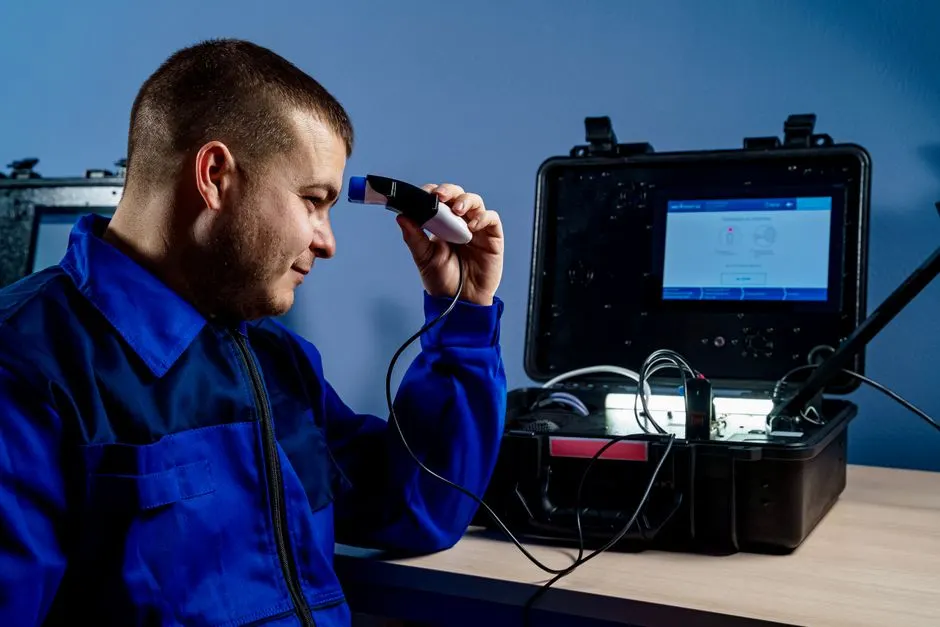
An air sampling pump draws a measured air volume through an Air-O-Cell cassette when airborne sampling is appropriate. We document the location and collection conditions so laboratory findings have useful context.

Hygrometer

A hygrometer measures indoor relative humidity during the visit. That reading helps interpret conditions in rooms where elevated indoor humidity, condensation, or slow drying could affect the remediated area.

Methods & Standards

Visual And Moisture Assessment

We inspect the remediated surfaces and accessible boundaries, then check selected materials for moisture. Readings are compared with nearby materials of similar type because building materials vary. A damp result prompts investigation of the source and drying condition; it is not automatically a mold finding.

Targeted Air Sampling

When airborne sampling fits the question, we collect a measured sample from the affected area and use an appropriate comparison location where conditions allow. The laboratory report is reviewed in context with room use, outdoor conditions, and inspection observations. No single count serves as a universal clearance threshold.

Surface Sampling

A sterile swab or tape-lift sampling slide can collect material from a defined surface that remains in question after cleaning. We identify the exact sample location and surface type. This method answers a localized question and does not establish conditions throughout the entire building.

EPA Mold Guidance Informed Review

We use EPA mold guidance as a practical reference for moisture control and cleanup principles, alongside the actual remediation scope and observed site conditions. The inspection focuses on whether visible contamination was addressed and whether moisture sources appear controlled, not on issuing a blanket health guarantee.

When To Schedule Clearance Testing

01

A Five Points homeowner has completed drywall removal and cleaning after a plumbing leak in an exterior wall.

What we do: We review the repair boundary, inspect remaining finishes, and check accessible materials around the leak. If the wall is open, we can assess exposed framing before replacement. Sampling is considered only if it answers a specific concern, such as unexplained odor or uncertainty about the cleaned surface.

→ You get a documented check of the treated area and a direct indication of whether moisture or cleanup concerns remain before the wall is closed.

02

A Downtown Raleigh office needs to reopen rooms after a contained remediation project near a shared corridor.

What we do: We inspect the affected rooms and the containment edge, note how the finished work compares with the agreed area, and consider room use and HVAC conditions. Where air sampling is warranted, we select locations that help evaluate the concern and explain the comparison in the report.

→ The manager receives location-based findings to support a practical reopening decision and communicate any remaining work to the remediation contractor.

03

A North Raleigh property owner finished crawl-space cleanup after storm-related water intrusion and plans to replace insulation.

What we do: We check accessible framing and other treated surfaces for visible residue and moisture, while noting signs of continuing water entry. A hygrometer provides a humidity reading, and material checks help identify locations that need more drying before new insulation is installed.

→ You can coordinate insulation work with the observed condition of the crawl space instead of relying on appearance alone.

04

A rental unit in Glenwood South has been cleaned after a bathroom leak, but a tenant still reports a musty smell.

What we do: We inspect the bathroom, adjacent wall, and accessible areas around the leak, then check for elevated moisture. If inspection findings support it, we collect targeted surface or air samples. We explain whether the concern relates to the remediated area or needs a separate investigation.

→ The owner gets a defined follow-up plan and a report that connects observations to the tenant's specific complaint.

How Clearance Testing Works In Raleigh Homes

Raleigh's humid summers and heavy rain periods can keep crawl spaces and exterior walls damp, while winter temperature swings can create condensation on windows and cold surfaces. After a storm-driven roof leak, plumbing failure, or post-flood event, cleanup is only one part of the work; the water source and drying condition matter too. Our Raleigh mold remediation clearance testing checks the treated area against those local building conditions, including older homes with crawl spaces and newer properties with tight building envelopes. We inspect for residual moisture, visible mold growth, and signs that work boundaries were maintained. If you need Post-Remediation Mold Verification after cleanup Raleigh, we review the remediation scope first and tailor the visit to the affected rooms. Properties in Wake County include varied materials and layouts, so we use comparative readings and targeted sampling rather than assume one method fits every building. We document results clearly and tell you what is ready for the next repair step.

Neighborhoods We Serve

  • Five Points

    Older homes can have layered wall assemblies and crawl spaces that complicate drying after plumbing leaks. We focus moisture checks on the repaired area and nearby materials.

  • Downtown Raleigh

    Commercial and multi-unit properties can involve shared corridors and HVAC zones. We document which rooms and boundaries were inspected so findings stay tied to the cleanup scope.

  • North Raleigh

    A roof or window leak can affect insulation and framing beyond the visible stain. We inspect accessible edges and check whether moisture remains after the repair.

  • Oakwood

    Historic finishes require careful, targeted inspection. We favor comparative readings and defined sample locations to avoid confusing normal material variation with a cleanup concern.

Local Conditions We Plan For

  • Humid summer air slows drying in enclosed crawl spaces

    High indoor humidity can complicate interpretation of drying conditions and may contribute to condensation. We record humidity and compare material readings so your contractor can address the source before replacing insulation or finishes.

  • Wind-driven rain exposes roof and wall leak paths

    Water can travel away from the entry point before appearing as a stain, leaving hidden moisture outside the obvious repair. We check accessible surrounding areas and document any readings that warrant further investigation.

  • Older buildings contain varied materials and renovations

    Plaster, wood, masonry, and newer finish layers respond differently to moisture tools. We account for material type and compare like with like instead of applying one reading threshold across the entire property.

Bathroom Leak Cleanup Verified

Before

A Raleigh homeowner had a repaired supply-line leak and completed mold cleanup behind a bathroom vanity. The wall looked clean, but the owner noticed a faint musty odor and did not know whether the framing had dried before the contractor installed new board. The cleanup area was defined, but there was no independent record of moisture readings or sample locations.

After

We inspected the treated wall and nearby cabinet area, checked multiple accessible materials, and documented a remaining elevated reading at one lower framing location. The contractor dried that section and corrected the local issue. A follow-up check recorded readings within the comparison range at the tested points, allowing the repair to proceed with clearer documentation.

Maintenance: Keep the repaired plumbing connection accessible until the next leak check, and watch the cabinet base for swelling or odor. Use an exhaust fan during bathing and address drips promptly so moisture does not return to the verified area.

Before

After storm-related water entered a North Raleigh crawl space, remediation removed affected material and cleaned accessible framing. The owner planned new insulation but had no confirmation that the treated wood had dried or that the original water entry had stopped. A damp odor remained after the cleanup crew left.

After

Our visit checked the cleanup boundary, sampled selected wood moisture readings, and recorded crawl-space humidity. One area remained damp, so the contractor improved drying and addressed the entry point before insulation was installed. The follow-up documented dry readings at the inspected locations and no visible residue in the treated area.

Maintenance: Check drainage and downspouts after heavy rain, and keep crawl-space access clear for periodic inspection. If odor returns or humidity rises, investigate the water source promptly rather than covering the area with new insulation.

Before

A small Downtown Raleigh office had contained remediation after a leak affected two rooms near a corridor. The manager needed a clear record before staff returned, but the cleanup notes did not identify moisture conditions at the edge of the containment or explain whether air sampling was appropriate.

After

We inspected both rooms and the transition area, recorded moisture checks, and collected targeted air samples based on the stated concern. The report identified each location and summarized laboratory findings alongside the visual inspection. No unresolved moisture was observed at the checked points, giving management a documented basis for its next occupancy decision.

Maintenance: Maintain the repaired plumbing and review the affected corridor after storms or maintenance work. Keep the report with the building's repair records so future contractors can compare any new odor or water event with the verified locations.

Resolve Uncertain Mold Clearance After Cleanup

Uncertain remediation clearance often comes from a clean-looking surface, a lingering odor, or a missing record of what was checked. Our inspection gives you location-specific observations and moisture evidence, with sampling when it answers a defined question. That helps you decide whether to rebuild, reopen, or direct additional cleanup.

Problem

A musty odor remains after visible mold was removed

The odor can point to damp materials, an overlooked cavity, or another moisture source; covering the area without checking can lead to recurring damage and another disruption.

Our Fix

We trace the concern through accessible surfaces and nearby materials, checking moisture and inspecting the remediation boundary. If the odor suggests an airborne or surface question, we choose a sample method suited to that location. You receive a clear explanation of what was found and what needs correction before finishes go back.

Problem

Walls are ready to close but hidden moisture is uncertain

Replacing drywall over wet framing can trap moisture and create conditions for renewed growth, forcing removal of new finishes and delaying the repair.

Our Fix

We take comparative readings at the affected area and nearby materials, using non-invasive screening first and targeted confirmation where appropriate. If access permits, a borescope can help inspect a concealed space. Our findings identify whether drying appears adequate at the tested locations before your contractor closes the assembly.

Problem

A landlord needs a documented decision before reoccupancy

Without a clear inspection record, owners and tenants can disagree about the treated area, unresolved conditions, or whether a room is ready for normal use.

Our Fix

We record the areas inspected, visible conditions, moisture readings, and sample locations when testing is performed. The report gives you a practical record for property management and contractor follow-up. We explain the findings in plain terms so your next occupancy decision is based on the inspected conditions.

Problem

Cleanup looks finished but no one checked the original source

If a roof leak, plumbing issue, or condensation problem continues, a clean surface can be temporary and mold conditions can return after repairs are completed.

Our Fix

We look for signs of continuing water intrusion, elevated moisture, and condensation near the remediated area. The inspection ties findings back to the known source where possible, so you can address the cause as well as the cleanup. If another specialist must repair the source, we identify the location and recommend verification afterward.

Clear Results, Practical Next Steps

Clear Results, Practical Next Steps

Clearance testing gives you a documented check after remediation, rather than relying on appearance alone. We connect visual observations, moisture readings, and sampling choices to the actual cleanup scope. You receive a straightforward account of what we checked, what we found, and what action makes sense next.

  • Verify Cleanup Conditions

    We inspect the treated area for remaining visible mold growth, dust, and signs of incomplete containment removal. Moisture readings at selected materials help identify whether the source is controlled. This makes a Raleigh mold remediation clearance testing visit useful when you need evidence tied to the repaired location, not a general statement about the whole building.

  • Find Residual Moisture

    A surface can look dry while a wall cavity, framing edge, or subfloor remains damp. We use moisture measurements and thermal imaging as screening tools, then investigate suspect areas where access allows. Identifying a wet spot before finishes are replaced can prevent a second cleanup and help direct the contractor to the actual source.

  • Document the Outcome

    Your report records the inspected locations, conditions, methods, and laboratory findings when samples are submitted. That gives you a usable record for a property file, tenant communication, or follow-up with the remediation contractor. For an ordinary sampling batch, laboratory turnaround is commonly about 3-5 business days, separate from the site visit.

  • Plan the Next Move

    If evidence points to an unresolved issue, we identify the affected location and explain what needs correction before retesting. If results support clearance, you can proceed with rebuilding or normal occupancy based on the documented findings. The goal is a specific decision, not an open-ended list of additional services.

Training And Clear Documentation

Licensed & Certified

  • ACAC Council-certified microbial investigator credentials — issued by American Council for Accredited Certification
  • ACAC Council-certified indoor environmental consultant credentials — issued by American Council for Accredited Certification
  • IICRC Applied Microbial Remediation Technician certification — issued by Institute of Inspection, Cleaning and Restoration Certification
  • IICRC Water Restoration Technician certification — issued by Institute of Inspection, Cleaning and Restoration Certification

Verified Reviews

Customer feedback Not published

A homeowner described a post-remediation check after a bathroom leak. The inspector documented moisture readings around the repaired wall, explained why a targeted sample was useful, and provided a report the contractor could follow. The clear location notes helped the owner decide what to dry before replacing the finish.

Customer feedback Not published

A Raleigh property manager needed findings before reopening two rooms after a contained cleanup. The visit recorded the affected areas and a moisture concern at the containment edge. The report gave the contractor a specific location to address, followed by a clear recheck plan.

Customer feedback Not published

A North Raleigh homeowner wanted to confirm crawl-space conditions before installing insulation. The inspection checked treated framing, recorded humidity, and explained what the readings meant. The owner received practical maintenance steps along with the clearance findings.

Training Grounded In Field Work

Clearance decisions require more than collecting a sample. Our team considers the remediation scope, moisture source, building materials, and inspection conditions before interpreting results. Work is guided by relevant training, including ACAC Council-certified microbial investigator credentials and IICRC Applied Microbial Remediation Technician certification where held by the assigned professional. We follow EPA mold guidance and use laboratory analysis suited to the sample type. Raleigh properties range from older homes with crawl spaces to newer multi-unit buildings, so we document the conditions that matter to your specific site instead of applying a one-size-fits-all checklist.

  • We distinguish visible residue from active moisture concerns by pairing a close visual inspection with targeted material readings.
  • Sampling choices follow the question being asked: airborne comparison, a defined surface, or no sample when evidence is better gathered another way.
  • We document locations and sample identifiers so you can connect laboratory findings to the rooms and materials inspected.
  • Our technicians account for remediation boundaries, HEPA vacuuming, and containment removal when reviewing the finished work.
  • We explain what laboratory results do and do not establish, including why a single spore count cannot certify every room.
Get Started Today
Training Grounded In Field Work

Questions Raleigh Property Owners Ask

Real answers to the questions we hear most often from local homeowners and property managers.

How much does clearance testing after mold remediation cost in Raleigh?
A Raleigh clearance visit commonly costs $300-$800 in 2026, depending on property size, sample count, access, and laboratory analysis. A focused single-room inspection costs less than a multi-zone commercial assessment with several samples. We explain pricing upfront before work begins. The fee covers the agreed inspection and reporting; added laboratory samples or hard-to-access areas affect the total because they require additional collection or analysis.
When should post-remediation mold testing be performed?
Schedule testing after visible cleanup is complete, materials are dry, and the remediation area is ready for inspection-often 24-48 hours after the final cleaning, if conditions remain stable. Testing too early can measure active work disturbance rather than the finished result. Keep containment and air equipment in the state specified by the remediation plan until the inspection. We review the scope and timing with you before collecting samples.
Can I get independent mold clearance testing in Raleigh NC?
Yes, Raleigh Mold Testing provides independent post-remediation checks for homes and commercial properties in Wake County. We inspect the completed work, record moisture conditions, and collect targeted samples when they answer a clear question. For a post-remediation mold test for a Raleigh property NC, share the cleanup area and any remediation notes so we can focus the visit. Independence means the verification findings are separate from the cleanup contractor's work.
What happens if a property does not pass mold clearance testing?
If findings do not support clearance, the report identifies the affected location and the evidence behind that conclusion; there is no universal mold pass number for every property. The remediation contractor can correct the remaining issue, such as damp material or incomplete cleaning, and testing can follow after the area is ready. We explain whether the concern is visible residue, moisture, or a sample result so the next step is specific.

Services That Support Clearance

Residential Mold Inspection

A residential inspection can locate the original source and identify related areas before remediation begins. For Raleigh homeowners, comparing the initial findings with the post-cleanup check makes it easier to confirm which rooms were treated and whether moisture remains near the repair.

View Residential Mold Inspection

Commercial Mold Inspection

Commercial sites often have multiple rooms, occupants, and HVAC zones to consider. We can document the affected areas before cleanup, then focus clearance checks on the agreed work boundaries so Raleigh managers can plan reopening and communicate findings clearly.

View Commercial Mold Inspection

Mold Testing and Sampling

Targeted air or surface collection supports clearance decisions when inspection findings call for laboratory analysis. We select sample types to fit the material and question, label each location, and explain results alongside moisture readings and visual observations.

View Mold Testing and Sampling

Air Quality Testing for Mold

Air sampling can help assess airborne conditions in and around a remediated area when the concern involves odor or suspected airborne particles. We use controlled collection and appropriate comparison locations, then interpret laboratory findings in context rather than treating one count as a complete diagnosis.

View Air Quality Testing for Mold

Surface Mold Testing

Surface sampling is useful when a defined material has discoloration or suspected residue after cleaning. A swab or tape lift targets that location, helping distinguish a surface question from a broader air concern. We record the material and exact sample point for your report.

View Surface Mold Testing

Indoor Air Quality Assessment

A broader assessment considers humidity, ventilation, odor, and other indoor conditions beyond the remediated room. It helps Raleigh property owners understand whether persistent complaints relate to the cleanup area or to a separate building condition that needs investigation.

View Indoor Air Quality Assessment

Book Raleigh Mold Cleanup Clearance Testing

If remediation is complete but you still have questions about moisture, odor, or remaining work, we can inspect the treated area and explain the findings. Call Raleigh Mold Testing at +18668968166 to arrange your clearance visit; our team serves Wake County, NC.

Call Our Team Book Testing

Contact Raleigh Mold Testing

Tell us what you noticed, where it is happening, and whether there has been a recent leak or cleanup. Call +18668968166 to discuss Mold Inspection and Testing in Raleigh, NC. Our phone line is open Monday through Friday, 08:00 to 18:00; we respond during business hours and help you identify the right next step for your property.

Or call us right now at +18668968166 — we answer.

Raleigh Mold Testing


  • Phone

    +18668968166
  • Address

    Raleigh, North Carolina

  • Hours

    Mon–Fri: 7AM – 7PM
    Sat: 8AM – 4PM
    Sun: Emergency Only
    24/7 Emergency Available

Call +18668968166 Get Quote
Call Quote