Logo
Get Estimate

HVAC and Duct Mold Inspection Raleigh NC

Clear answers for musty vents, moisture, and suspected growth


HVAC and Duct Mold Inspection Raleigh NC helps homeowners and property managers investigate musty supply vents, visible residue, or moisture around heating and cooling equipment. We inspect accessible ductwork, the air handler, filters, drain components, and nearby building materials, then explain what we find in plain language. If odors return when the system runs, a Raleigh air duct mold assessment can help identify where further sampling or moisture correction is needed.

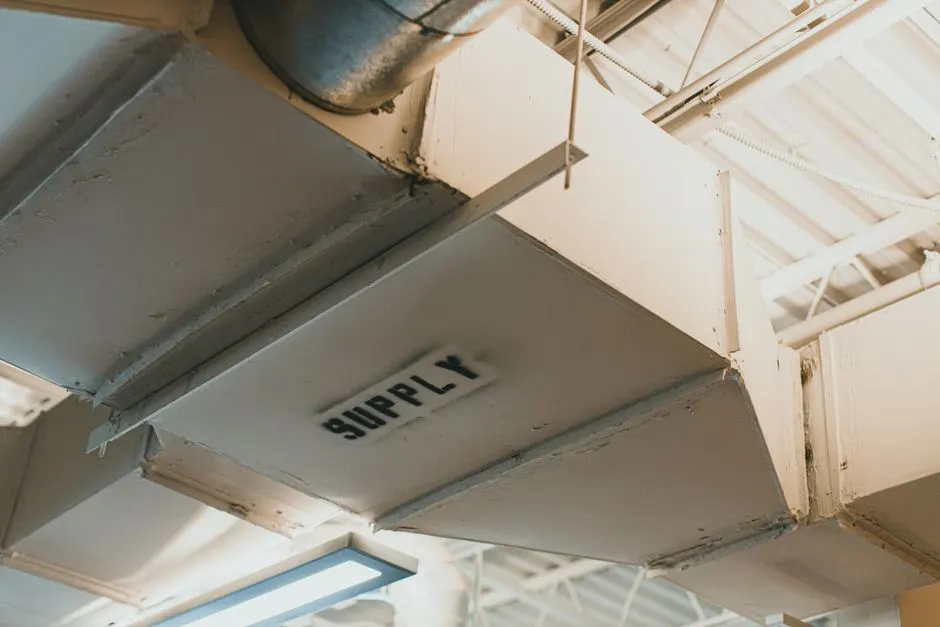
Close-up view of an air duct labeled 'SUPPLY' in an industrial setting.
Licensed Licensed & Bonded
Fully Insured Insured & Bonded
24/7 Emergency Same-Day Response
Warranty Backed Workmanship Guaranteed in Raleigh

What The HVAC Inspection Includes

The visit covers an interview about symptoms, a visual inspection of accessible HVAC components, moisture checks on relevant materials, and a review of findings. We can add surface or air sampling when it answers a defined question. Opening sealed ducts, dismantling equipment, remediation, and mechanical repairs are separate work; we identify when those steps are relevant rather than implying they are part of an inspection.

Air Handler Review

We examine accessible air-handler surfaces, filter seating, condensate pan, drain area, and visible surrounding materials. The inspection records visible residue, moisture, and access limits; it does not require dismantling sealed equipment.

Duct And Register Checks

We inspect accessible supply and return openings and visible duct sections for suspected growth, debris, damp insulation, or staining. A borescope may help view a limited cavity, but it cannot replace access where a hidden section needs opening.

Moisture Measurements

We use appropriate moisture and humidity instruments to check materials and indoor conditions related to your complaint. Readings are interpreted alongside the surface, location, and temperature; a single number alone does not confirm mold.

Optional Sample Collection

If the evidence supports testing, we collect a defined surface or air sample, document the location, and arrange laboratory analysis. Sampling is an added step because it answers a different question from visual inspection and moisture mapping.

Findings And Recommendations

You receive a summary of inspected areas, observed conditions, relevant readings, and practical next actions. We explain whether the priority is correcting moisture, obtaining further access, sampling a suspected material, or consulting a remediation contractor.

HVAC and Duct Mold Inspection Raleigh NC


HVAC and Duct Mold Inspection Raleigh NC is a building assessment that checks accessible heating and cooling equipment, duct surfaces, and nearby materials for moisture conditions and suspected mold growth. We examine the air handler, evaporator coil area where accessible, condensate pan and drain, filter slot, supply and return openings, and insulation or framing around the system. A hygrometer records indoor conditions, while a pinless moisture meter helps locate damp materials without immediately puncturing them. Inspection findings distinguish visible growth from ordinary dust, staining, or debris.

In Raleigh, humid summers, condensation on windows and cold surfaces, roof or wall water intrusion, and post-leak repairs can leave moisture near ducts and equipment. A leaking condensate line or poorly draining pan can also wet nearby materials. If you are searching for an air duct mold assessment for a Raleigh home after musty odors, we trace the odor pattern, inspect likely moisture sources, and recommend targeted sampling only when it will answer a useful question. Our work serves homes and commercial properties across Wake County.

How The Inspection Works

The visit follows a practical sequence: discuss the symptoms, inspect the system and nearby materials, document moisture conditions, and explain findings. Most residential visits take about two to four hours, depending on system access, property size, and whether sampling is requested.

01

Schedule

Call or book online — a real human picks up and confirms a 2-hour arrival window.

02

Diagnose

Licensed tech inspects on-site, then walks you through the cause and your options.

03

Fix

The job is completed to code and done right the first time — no shortcuts, no surprises.

04

Guarantee

Every job backed by a written workmanship warranty — and we stand behind it.

Tools And Inspection Methods

Tools & Equipment

FLIR Thermal Imaging Camera

A FLIR thermal imaging camera shows surface temperature patterns that can guide a closer moisture check. It does not detect mold directly; we verify areas of concern with visual inspection and appropriate moisture measurements.

Protimeter Moisture Meters

A Protimeter pinless moisture meter screens selected materials without puncturing them. A pin-type moisture meter can confirm a reading at a suitable surface when more direct measurement is needed.

Borescope

A borescope provides a view into a limited cavity through an available opening. We use it to examine otherwise hidden accessible sections without presenting that view as a complete inspection of sealed ductwork.

Hygrometer

A hygrometer records indoor relative humidity and temperature during the visit. These readings help put condensation, damp materials, and seasonal conditions into context rather than serving as a mold test.

Air Sampling Pump And Cassette

When air sampling is appropriate, an air sampling pump draws a measured volume through an Air-O-Cell cassette. We document the sample location and conditions so results can be interpreted alongside the inspection.

Sterile Surface Sampling Kit

Sterile swabs or tape-lift sampling slides collect material from a selected surface for laboratory analysis. We label each sample and link it to the photographed location and observed condition.

Methods & Standards

Visual And Moisture Assessment

We combine visual observations with targeted moisture measurements at the air handler, accessible ducts, and nearby materials. The method focuses on evidence of dampness, visible suspected growth, and likely water pathways. We document where instruments were used and avoid treating a temperature anomaly or odor as proof of mold.

Targeted Air Sampling

Air sampling is considered when a defined question remains after the visual and moisture inspection. We collect samples from selected locations using a measured air volume and record operating conditions. Results are interpreted with the full site context; one sample is not a complete map of every room or duct.

Surface Sampling

For a suspected deposit, we collect a swab or tape lift from a defined spot using suitable sampling materials. The location, visible appearance, and moisture context are recorded. Laboratory analysis can identify collected material, but it does not establish the source of moisture or the extent of hidden growth.

EPA-Guided Moisture Focus

We apply EPA mold guidance by prioritizing moisture control, visual assessment, and appropriate protective practices. The inspection identifies conditions that support growth and recommends addressing water sources. When remediation has occurred, separate clearance or verification criteria should be agreed for that project.

When To Book An Inspection

01

Musty smell returns whenever cooling starts in a North Raleigh home after a humid summer.

What we do: We inspect the air handler, condensate pan and drain, filter area, and accessible supply and return openings. We record humidity and relevant moisture readings, then compare the findings with the rooms where you notice the odor. If a surface looks suspicious, we explain whether sampling will help identify it.

→ You learn whether the evidence points toward an HVAC moisture issue, a nearby building material, or a source that needs further access.

02

A roof leak in an Oakwood home wet attic insulation near a duct run.

What we do: We follow the reported water path through accessible attic areas and inspect duct insulation and surrounding materials. Moisture readings help identify damp spots that are not obvious from discoloration alone. We document visible conditions and explain what should be dried, repaired, or checked after the leak is corrected.

→ You get a record of affected areas and a practical sequence for water-source repair, drying, and any needed mold testing.

03

A commercial tenant reports odor from one group of rooms but not the rest of the building.

What we do: We focus on the affected zone, its return and supply openings, and the equipment serving that area where accessible. We compare conditions across selected rooms and document any differences in moisture, odor pattern, or visible material. That gives your facilities contact a location-based report for follow-up.

→ Your team can direct mechanical or moisture work to the affected zone instead of treating every system as if it has the same problem.

How Raleigh HVAC Inspections Run

Raleigh's long cooling season puts condensate management under steady demand, while humid weather can contribute to condensation on cool equipment and surfaces. We ask whether your odor changes with the fan, cooling, or heating cycle, then inspect the air handler and the nearby materials that could hold moisture. In older homes around Oakwood and Five Points, equipment access and later renovations can create different inspection paths than in newer townhomes or commercial spaces. A heating and cooling system mold inspection Raleigh NC should account for both the equipment and the building around it. If you need a mold inspection for a heating and cooling system Raleigh NC after a leak, tell us where water entered and what was dried. We serve Wake County properties in ZIP codes including 27613 and 27612, and document areas that cannot be seen without opening finished construction. The report separates measured conditions from recommendations so you can coordinate mechanical repairs, drying, or testing.

Neighborhoods We Serve

  • Five Points

    Older homes and renovated equipment closets can have tight access around air handlers. We check accessible components and nearby materials, and record any concealed areas that need a different access method.

  • Oakwood

    Attic duct runs and roof-water history can matter in this neighborhood. We follow the reported leak path and inspect visible insulation and framing around accessible duct sections.

  • North Raleigh

    Larger homes may have more than one system or a separate upstairs air handler. We identify which equipment serves the rooms with odors and keep findings tied to that system.

  • Downtown Raleigh

    Apartments and mixed-use buildings can have shared or limited-access mechanical areas. We document the unit and components available during the visit and focus on the reported zone.

Local Conditions We Plan For

  • Humid cooling weather increases condensate and surface-temperature differences

    A clogged drain or poorly insulated section can leave nearby materials damp even when no major leak is visible. We inspect drainage and compare moisture readings with the location and timing of the reported odor.

  • Roof and wall water intrusion can reach attic ductwork

    Water may follow framing or insulation away from the entry point, so the visible stain is not always the full affected area. We trace accessible materials around the reported path and identify where further access is needed.

  • Older renovations can limit access to concealed duct sections

    Finished ceilings, boxed-in returns, or equipment changes can restrict visual inspection. We explain the limitation, use a borescope only where an opening permits a useful view, and avoid claiming that an inaccessible section was cleared.

Odor Near The Cooling System

Before

A homeowner noticed a musty smell each afternoon when the cooling system ran. The odor was strongest near a utility closet, but the visible supply registers looked dusty rather than obviously damaged. The condensate drain had not been checked, and the family was unsure whether to clean ducts, replace equipment, or test the air.

After

Inspection found moisture at the accessible drain area and damp material beside the air handler. The inspector documented the affected location, readings, and access limits, then recommended correcting drainage and drying the material before deciding on further testing. The family had a defined repair target instead of a whole-system replacement assumption.

Maintenance: Keep the condensate drain clear and check the equipment area after heavy cooling use. If the odor returns after the wet material is dry, arrange a follow-up inspection and compare the new conditions with the documented findings.

Before

After a roof leak, a Raleigh owner saw a ceiling mark below an attic duct run and worried water had entered the system. The room had dried, but the condition of nearby insulation and framing was unknown. No one had documented how far the water traveled.

After

The inspection followed the accessible water path and found one damp insulation section and dry materials at two nearby check points. Photos and moisture readings were recorded, and the owner received a focused recommendation to correct the roof leak and address the affected insulation. No broad duct replacement was recommended from the observations alone.

Maintenance: After roof repair, check the attic following the next substantial rain and confirm the insulation remains dry. Keep the inspection record with the repair details so any later odor or moisture change can be compared against the original locations.

Before

A tenant reported dark spots around a bedroom register and a stale smell. The property manager could not tell whether the marks were ordinary dust, condensation staining, or suspected growth. Cleaning the grille alone had not changed the odor.

After

We inspected the register, accessible duct opening, and nearby wall surface, then collected a targeted surface sample because appearance alone could not resolve the question. The report linked the laboratory result to the exact collection point and noted the nearby moisture conditions, allowing the manager to plan the right follow-up.

Maintenance: Replace or clean filters on the equipment manufacturer's schedule and check for condensation around the register during humid weather. If staining reappears, photograph the area before cleaning and arrange a moisture check while the condition is present.

Solve HVAC Odors And Moisture Concerns

A recurring odor or damp mark near a vent does not identify its own source. Our inspection connects HVAC observations with nearby building materials, moisture readings, and the timing of the complaint. That helps you choose a focused response instead of replacing parts or cleaning surfaces without finding the cause.

Problem

Musty odor appears only when the fan or cooling system runs

The odor can circulate through occupied rooms and persist if a wet drain area, filter space, or nearby material remains unaddressed.

Our Fix

We compare odor locations with the air handler, filter slot, return path, and accessible supply openings. We check condensate drainage and nearby materials for moisture, then explain which finding best matches the symptom. If the source remains uncertain, we discuss targeted sampling or added access rather than assuming the duct itself is contaminated.

Problem

Dark spotting or residue is visible around a supply register

A deposit may be mold, dust, or staining; misidentifying it can lead to unnecessary cleaning while an underlying moisture issue continues.

Our Fix

We document the deposit, check the register and nearby surface conditions, and look for condensation or damp material around the opening. When visual evidence cannot answer the question, we can collect a surface sample for analysis. The report distinguishes observed appearance from laboratory identification and recommends the next practical step.

Problem

Condensate leak leaves damp flooring or cabinet material beside equipment

Repeated wetting can damage finishes and keep porous materials damp, increasing the likelihood of persistent odor or concealed growth.

Our Fix

We inspect the accessible drain pan and surrounding materials, map damp areas, and record moisture readings. You get the location of the affected material and a clear recommendation to correct the water source and dry or assess the material. If the concern extends beyond the equipment closet, we identify the adjoining areas to inspect.

Problem

Post-leak concern leaves uncertainty about duct insulation

Water can travel along framing or insulation and remain hidden after the visible surface dries, complicating cleanup decisions.

Our Fix

We inspect accessible sections along the reported water path and check adjacent materials for moisture. For a Raleigh mold inspection for ducts and air handlers, we document what is visible, note concealed areas, and advise whether further access or sampling is warranted before repairs are closed.

What You Gain From Inspection

What You Gain From Inspection

A focused inspection gives you a documented picture of accessible HVAC conditions instead of a guess based on odor alone. We connect observations to practical next steps, so you can decide whether moisture correction, laboratory analysis, or a broader building inspection is warranted.

  • Find Moisture Sources

    We look for wet insulation, drain-pan overflow, condensate leaks, and hidden moisture in building materials around the system. A pin-type moisture meter checks selected surfaces when readings need confirmation. You receive the location and measured condition, not just a general warning that the house feels damp.

  • Clarify Odor Patterns

    If the smell starts when the fan runs, we compare the air handler, return path, and accessible supply openings. Our HVAC mold evaluation Raleigh service separates an HVAC-related odor pattern from moisture elsewhere in the home, helping you avoid treating the wrong room or component.

  • Use Sampling Selectively

    Visible material and moisture findings guide whether surface or air sampling adds value. If sampling is appropriate, we collect with sterile swabs, tape-lift sampling slides, or air sampling cassettes and document the location. Results give you evidence to discuss with a qualified remediation contractor.

  • Make a Clear Next Plan

    You receive practical findings about observed conditions, likely moisture pathways, and recommended follow-up. If the inspection identifies a wet drain area but no visible growth, the next step may be correcting drainage and monitoring the material rather than ordering unnecessary tests.

Credentials And Documentation

Licensed & Certified

  • ACAC Council-certified microbial investigator credentials — issued by American Council for Accredited Certification
  • ACAC Council-certified indoor environmental consultant credentials — issued by American Council for Accredited Certification
  • IICRC Applied Microbial Remediation Technician certification — issued by Institute of Inspection, Cleaning and Restoration Certification
  • IICRC Water Restoration Technician certification — issued by Institute of Inspection, Cleaning and Restoration Certification

Verified Reviews

Customer feedback Not stated

A Raleigh homeowner described an odor that started with the cooling cycle. The inspection checked the drain area and nearby material, then gave the owner a clear repair target and a reason not to order testing before correcting the moisture source.

Customer feedback Not stated

A North Raleigh property manager reported that the inspection documented two affected rooms, accessible duct openings, and moisture near the equipment. The findings helped direct follow-up to the relevant HVAC contractor instead of treating unrelated parts of the building.

Customer feedback Not stated

An Oakwood homeowner sought answers after a roof leak near attic ductwork. The inspection recorded wet and dry locations, explained access limits, and provided a focused next step for the insulation and roof repair.

Field Knowledge That Matters

We approach HVAC concerns as both a building-moisture problem and an air-distribution question. Our team uses established inspection practices, appropriate protective equipment, and documented observations instead of diagnosing from odor alone. Training relevant to this work includes ACAC Council-certified microbial investigator credentials and IICRC Applied Microbial Remediation Technician certification where held by the inspecting professional. We follow EPA mold guidance and use laboratory analysis when the question calls for it. You get a clear account of what we inspected, what could not be accessed, and what the evidence supports.

  • We distinguish visible mold growth from dust, soot, and staining by documenting surface appearance and moisture context.
  • We check condensate management, filter fit, accessible insulation, and nearby materials that can sustain damp conditions.
  • We use calibration standards and record instrument readings so results have context rather than standing alone.
  • We explain what sampling can and cannot establish before collecting a cassette, swab, or tape-lift sample.
  • We document access limits and recommend follow-up based on observed evidence, not a blanket treatment prescription.
Get Started Today
Field Knowledge That Matters

Frequently Asked Questions

Real answers to the questions we hear most often from local homeowners and property managers.

How much does an HVAC mold inspection cost in Raleigh?
A residential HVAC inspection commonly costs about $250-$650, with sampling or difficult access adding to the total. The 2026 price depends on the number of systems, property size, inspection access, and laboratory analyses requested. We explain the price before work starts. A focused visual and moisture inspection may be enough when the source is clear; sample collection is useful when it answers a specific unresolved question.
Can an air duct mold assessment identify suspected growth?
Yes, an inspection can locate visible suspected growth and document moisture conditions, but laboratory sampling is needed to analyze collected material. We inspect accessible duct surfaces and the air handler, then distinguish observations from conclusions. An Air Duct Mold Assessment after musty HVAC odors Raleigh can also reveal a wet drain area or nearby material that better explains the smell than the duct interior.
When should I inspect my HVAC system for mold in Raleigh NC?
Arrange an inspection when musty odors return as the system runs, visible growth appears near vents, or a leak has dampened equipment or surrounding materials. Prompt attention is also sensible after a drain overflow or water event; drying wet materials within 24-48 hours reduces the chance of ongoing moisture damage. We investigate the source and document conditions before you decide on corrective work.
Does a mold inspection include the air handler and ductwork?
Yes, the inspection covers accessible air-handler components, filter areas, condensate management, registers, and visible duct sections. It does not mean every concealed duct surface is opened or examined. We identify access limits, use a borescope where appropriate, and discuss additional access or sampling if the findings justify it. A mold inspection for a heating and cooling system Raleigh NC also checks nearby materials for moisture.

Related Services For Raleigh Properties

Residential Mold Inspection

A whole-home inspection connects HVAC findings with rooms, attics, crawl spaces, and other moisture sources. We document visible conditions and moisture patterns so you can tell whether an odor near a vent is isolated to the system or part of a wider building concern.

View Residential Mold Inspection

Commercial Mold Inspection

Commercial systems serve larger areas and may have multiple air handlers, tenant spaces, or return paths. We coordinate an inspection around the reported symptoms, accessible equipment, and affected zones, then document observations to support facilities planning and targeted follow-up.

View Commercial Mold Inspection

Mold Testing and Sampling

When visual inspection leaves a specific question unanswered, sampling can analyze material or airborne particles. We select collection points based on observed conditions, label samples, and explain what laboratory findings do and do not establish about your Raleigh HVAC concern.

View Mold Testing and Sampling

Air Quality Testing for Mold

Air testing can help compare airborne fungal particles between selected locations when the inspection supports that approach. We record the sampling location and conditions, so results are interpreted alongside visible growth, moisture readings, and the system's operating state.

View Air Quality Testing for Mold

Surface Mold Testing

Surface testing is useful when a deposit on a register, cabinet, or nearby material is uncertain. We collect from a defined spot using a suitable method and connect the result to the surrounding moisture conditions rather than treating a laboratory identification as a complete building diagnosis.

View Surface Mold Testing

Indoor Air Quality Assessment

If odors or irritation occur beyond the HVAC zone, a broader assessment can examine humidity, particle patterns, and other indoor conditions. We use the HVAC findings as one part of the picture and help identify whether other rooms need attention.

View Indoor Air Quality Assessment

Schedule HVAC Mold Inspection Raleigh NC

Musty vents, visible deposits, or a recent water leak deserve a clear inspection. Our team documents accessible HVAC conditions and explains the next step. Call Raleigh Mold Testing at +1 866-896-8166 to schedule an HVAC mold inspection in Raleigh.

Call Today Book Inspection

Contact Raleigh Mold Testing

Tell us what you noticed, where it is happening, and whether there has been a recent leak or cleanup. Call +18668968166 to discuss Mold Inspection and Testing in Raleigh, NC. Our phone line is open Monday through Friday, 08:00 to 18:00; we respond during business hours and help you identify the right next step for your property.

Or call us right now at +18668968166 — we answer.

Raleigh Mold Testing


  • Phone

    +18668968166
  • Address

    Raleigh, North Carolina

  • Hours

    Mon–Fri: 7AM – 7PM
    Sat: 8AM – 4PM
    Sun: Emergency Only
    24/7 Emergency Available

Call +18668968166 Get Quote
Call Quote