

Loss and Area Review
We discuss the reported event, affected rooms, and work already completed, then identify the areas to inspect. This creates a clear connection between your concern and the locations documented in the report.
A standard visit includes a review of the reported water event, visual inspection of accessible affected areas, moisture checks, photographs, and a written record of findings. Sampling is added when it answers a relevant question and is explained before collection. The inspection documents observed conditions; it does not determine policy coverage, replace a leak repair, or assess concealed areas that cannot be accessed.
We discuss the reported event, affected rooms, and work already completed, then identify the areas to inspect. This creates a clear connection between your concern and the locations documented in the report.
We note visible growth, staining, odors, and material conditions, then check selected surfaces for moisture. Readings are tied to their locations and compared with reference areas where practical, rather than listed without context.
Relevant photographs and inspection notes help show what was observed during the visit. The report identifies inspected areas, access limitations, moisture findings, and recommended next steps in a format you can share with your claim contacts.
When testing is appropriate, we collect air or surface samples using suitable equipment and document where each sample came from. Laboratory analysis is an additional service, and results are considered alongside inspection observations and moisture conditions.
Mold Inspection for Insurance Claims Raleigh NC is a property condition assessment that documents visible mold, moisture, and affected materials after water intrusion or another reported loss. We trace accessible moisture patterns, inspect rooms and building components, record meter readings, and photograph relevant conditions. If sampling is appropriate, we collect targeted air or surface samples and send them to a qualified laboratory for analysis. The report distinguishes observed conditions from conclusions that require further investigation, giving you an organized record to discuss with your insurer, adjuster, or remediation contractor.
Raleigh homes face water problems after roof leaks, plumbing failures, appliance overflows, and wind-driven rain. Humid summers and damp crawl spaces can prolong drying, while winter condensation can leave moisture on cold windows and exterior walls. We assess the source and extent of the conditions, not insurance coverage. If you need mold assessment documentation after water damage Raleigh, our findings can help show where moisture remains and what areas were inspected. That record is useful before damaged drywall, flooring, or insulation is removed.
Mold Inspection for Insurance Claims in Raleigh follows a straightforward sequence: we gather the water-loss history, inspect affected areas, record evidence, and explain the report. A typical residential visit takes about 2 to 4 hours, depending on access, property size, and the number of rooms involved.
Schedule
Call or book online — a real human picks up and confirms a 2-hour arrival window.
Diagnose
Licensed tech inspects on-site, then walks you through the cause and your options.
Fix
The job is completed to code and done right the first time — no shortcuts, no surprises.
Guarantee
Every job backed by a written workmanship warranty — and we stand behind it.
Pinless moisture meter
We scan broad areas of flooring, drywall, and other compatible materials for moisture patterns without making contact pins in the surface. Readings guide closer checks and are interpreted against material and location.
Pin-type moisture meter
We use contact pins to take focused readings in appropriate materials when a more direct measurement is useful. The report identifies where readings were taken and what material was checked.
FLIR thermal imaging camera
Thermal imaging helps locate temperature differences that may warrant moisture-meter checks. It does not detect mold or prove a leak, so we use it as a screening aid and verify relevant areas with other inspection methods.
Hygrometer
We use a hygrometer to record indoor temperature and relative humidity during the visit. These conditions add context to drying concerns, condensation, and moisture patterns in the inspected rooms.
Air sampling pump
When air sampling is appropriate, a calibrated pump draws a measured volume of air through a collection cassette. We document the sample location and collection details for laboratory interpretation alongside site findings.
Visual and moisture mapping
We start with the reported loss area, inspect visible materials, and map moisture checks by room and surface. Readings from affected areas are compared with nearby reference points. This method helps show the pattern of conditions without treating one number as proof of mold or cause.
Targeted air sampling
Air sampling is considered when a defined question cannot be answered by visual inspection alone. We select locations based on the concern, collect samples using an air sampling pump, and record relevant conditions. Results are interpreted with the inspection record, not used by themselves to locate a water source.
Surface sample collection
A swab or tape-lift sample may be collected from a specific suspect surface when laboratory identification is useful. We document the sampled material and exact location, use appropriate sampling supplies, and explain what the result can establish. A surface result does not measure hidden growth elsewhere in the building.
Evidence-led reporting
We separate what we saw, what we measured, and what laboratory testing found. The report also records access limits and recommendations, allowing you to distinguish confirmed observations from areas requiring more evaluation. This keeps the property record useful without making coverage or causation decisions.
01
What we do: We inspect accessible attic and ceiling areas, look for moisture patterns, photograph visible staining, and record material readings. We also note any roof or interior access limits and explain whether further investigation is needed to determine the extent of the affected area.
→ You receive a dated record of observed conditions and moisture findings to share with your insurer and repair contractor.
02
What we do: We check the cabinet, floor edge, and nearby wall for visible damage and residual moisture. If the source has been repaired, we document the remaining conditions and consider targeted sampling only if it addresses a specific concern.
→ Your records connect the reported plumbing event to the accessible materials inspected and clarify which areas may need drying or repair.
03
What we do: We inspect accessible crawl-space materials, note humidity and moisture conditions, and look for visible growth or water entry. We distinguish observations related to the reported loss from conditions that require a separate investigation.
→ You gain a clearer picture of the crawl-space conditions and practical next steps for the affected property areas.
04
What we do: We inspect the bathroom and adjacent accessible surfaces, use moisture checks to compare affected and unaffected areas, and photograph the findings. We explain whether the evidence supports further access or testing before wall repairs proceed.
→ The report records the conditions still present after drying and helps you coordinate the next repair or evaluation step.
Mold Inspection for Insurance Claims Raleigh NC takes local weather and building details into account. Warm, humid months can slow drying after plumbing leaks or wind-driven rain, while cold-weather condensation can leave water on windows and exterior surfaces. In older Raleigh homes, plaster, masonry, and layered finishes can behave differently from newer drywall assemblies; crawl spaces also need attention when damp air or ground moisture contributes to odors. We check the reported area and accessible nearby pathways, then record conditions without assuming every stain has the same cause. For a Raleigh insurance mold assessment, photographs, material-specific readings, and any laboratory results are tied to the inspected location. If you need mold inspection for insurance claims near me Raleigh NC, we cover neighborhoods throughout the city and Wake County. Our report documents property conditions for your discussion with the insurer; it does not replace building-code review, leak repair, or a coverage decision.
Five Points
Older homes can include plaster, wood flooring, and complex rooflines. We document the specific affected materials and note where finishes limit access.
North Raleigh
A mix of home layouts means leak paths can run from upper bathrooms to lower ceilings. We inspect accessible areas above and below the reported location.
Oakwood
Historic building materials and previous repairs can complicate moisture patterns. We describe current observations separately from visible older staining or patched finishes.
Downtown Raleigh
Attached residences and multi-unit buildings can share walls or service areas. We identify the inspected unit and document any access limits around adjacent spaces.
Humid summer air slows drying after leaks and overflows.
Elevated indoor humidity can keep materials damp after standing water is removed. We record humidity and material readings together, helping distinguish a wet surface from broader conditions that could delay drying.
Heavy rain can expose roof and wall water pathways.
Wind-driven rain may enter at roof details, windows, or exterior penetrations and appear indoors away from the entry point. We inspect accessible pathways and document the pattern without claiming a concealed source is confirmed.
Crawl-space moisture can contribute to persistent indoor odors.
Damp soil, limited ventilation, or plumbing leaks below the floor can affect conditions in nearby rooms. We check accessible crawl-space materials and record whether observations relate to the claim area or require separate follow-up.
A water loss can leave unanswered questions: which materials stayed wet, whether visible growth is limited to one area, and what evidence remains after drying. Mold Inspection for Insurance Claims Raleigh NC gives you a structured record of the conditions observed during the visit and practical next steps for the property.
Problem
Without locations, photographs, and material notes, it is harder to compare inspection findings with repair records or the reported event.
Our Fix
We document affected rooms, visible conditions, and relevant moisture readings in a clear sequence. You receive photographs and notes that identify where each observation was made, so your records are easier to review alongside invoices, mitigation logs, and other claim materials.
Problem
Moisture trapped in drywall, flooring, or cabinet materials can persist after a surface dries and may complicate repair decisions.
Our Fix
We check suspect materials with moisture meters, compare readings against nearby reference areas, and record the locations. If the pattern suggests concealed moisture, we explain what further access or evaluation could clarify before repairs cover the area.
Problem
An odor without visible growth leaves the source uncertain and can lead to unnecessary demolition or a missed damp area.
Our Fix
We inspect accessible nearby materials, check humidity and moisture conditions, and look for plausible water pathways. If sampling or additional investigation would answer a defined question, we explain its purpose and document the results in context.
Problem
Removed materials can make it harder to show what was affected at the time of inspection or distinguish original damage from later work.
Our Fix
We record what remains accessible, review your available photographs or mitigation notes, and clearly identify any limitations caused by completed repairs. The resulting report reflects the actual inspection conditions rather than claiming evidence we could not observe.
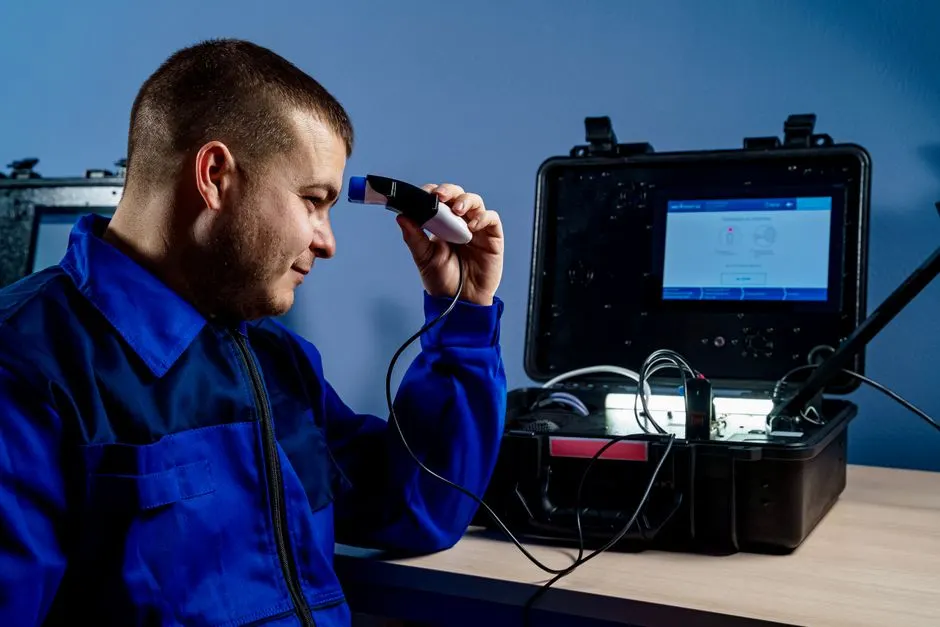
A claim file is easier to review when the observations are specific, dated, and tied to rooms and materials. We focus on evidence you can act on: where moisture was measured, what was visible, and whether sampling adds useful information. You leave with a clearer basis for conversations about repairs, further testing, or remediation.
Documented Conditions
We record affected locations, visible growth, moisture readings, and relevant photographs so your file shows more than a general concern. A Raleigh claim-related mold inspection report connects findings to rooms and building materials, helping you explain what was present when the inspection took place.
Focused Moisture Mapping
A pinless moisture meter helps us scan broad areas without puncturing finishes; a pin-type meter checks selected materials more directly. We compare readings with nearby unaffected surfaces and note the measurement locations. That detail helps separate a damp patch from a wider moisture pattern.
Targeted Sampling Decisions
Sampling is not automatic. We recommend air, surface, or swab sampling when the question calls for laboratory data, such as suspected growth without a clear visual source. If samples are taken, we document the location and method so the results have useful context for your claim discussion.
A Practical Repair Sequence
Your report identifies observed moisture concerns and next steps without promising insurance approval. You can use the findings to coordinate leak repair, drying, or remediation and to decide whether follow-up testing is appropriate before concealed materials are closed again.
Customer feedback Not stated
A homeowner in Raleigh described a clear inspection after a plumbing leak, including photographs and moisture readings around the affected kitchen cabinets. The report helped the owner understand which areas had been checked and what needed follow-up before repairs moved ahead.
Customer feedback Not stated
A North Raleigh property owner valued the distinction between visible staining and confirmed moisture findings after a roof leak. The inspector explained the attic access limits and recorded the areas that could be reviewed, giving the owner a more useful property record.
Customer feedback Not stated
A Raleigh rental manager reported that the inspection notes helped coordinate bathroom drying and wall repairs after an overflow. Room-specific photographs and straightforward explanations made it easier to share the observed conditions with the people handling the property.
A useful claim report requires more than identifying a dark spot. We connect water history, building materials, moisture measurements, visible conditions, and any laboratory results into a coherent record. Our local experience includes Raleigh homes with crawl spaces, older plaster or masonry, newer drywall assemblies, roof leaks, and plumbing failures. We use recognized inspection practices and follow equipment instructions, sample handling procedures, and applicable safety requirements. We do not decide whether a policy covers a loss; we give you clear property findings to take into that conversation.
Real answers to the questions we hear most often from local homeowners and property managers.
A residential inspection checks the home for visible growth, moisture, and conditions connected to a reported loss. For Raleigh claim files, we can focus on affected rooms and adjacent materials, documenting observations before repairs or demolition alter the evidence.
View Residential Mold InspectionCommercial properties often involve multiple rooms, tenants, or building systems after a leak. We inspect the areas tied to the reported event and organize findings by location, helping Raleigh owners and managers maintain a clear property record for claim discussions.
View Commercial Mold InspectionSampling can help answer a specific question about suspected mold when visual inspection alone is not enough. We identify appropriate air or surface sample locations, record collection details, and relate laboratory findings to the moisture and building conditions observed at your Raleigh property.
View Mold Testing and SamplingAir testing measures airborne particles at selected locations and is most useful when planned around a defined concern. We explain the sampling purpose and location before collection, then document the method and results so they can be considered alongside the reported water loss.
View Air Quality Testing for MoldSurface testing collects material from a visible or suspected area for laboratory analysis. It can help characterize a sample, but it does not establish how far moisture has spread. We record the sampled surface and connect the result to other inspection findings.
View Surface Mold TestingAn indoor air quality assessment considers moisture, ventilation, odors, and other indoor conditions that may accompany a water event. It can add context when Raleigh occupants report musty odors beyond the room where a leak occurred.
View Indoor Air Quality AssessmentTell us what you noticed, where it is happening, and whether there has been a recent leak or cleanup. Call +18668968166 to discuss Mold Inspection and Testing in Raleigh, NC. Our phone line is open Monday through Friday, 08:00 to 18:00; we respond during business hours and help you identify the right next step for your property.
Phone
+18668968166Address
Raleigh, North Carolina
Hours
Mon–Fri: 7AM – 7PM
Sat: 8AM – 4PM
Sun: Emergency Only
24/7 Emergency Available