Logo
Get Estimate

Mold Inspection Reports and Documentation Raleigh NC

Clear findings for homeowners, buyers, landlords, and businesses


Mold Inspection Reports and Documentation Raleigh NC gives you a clear record of visible conditions, moisture readings, and any sampling performed. We prepare a Raleigh mold assessment report for homeowners, buyers, property managers, and business owners who need practical findings after musty odors, a leak, visible growth, or a real estate concern. You receive organized observations and next steps so you can act on the source of the moisture, not guess from a stain.

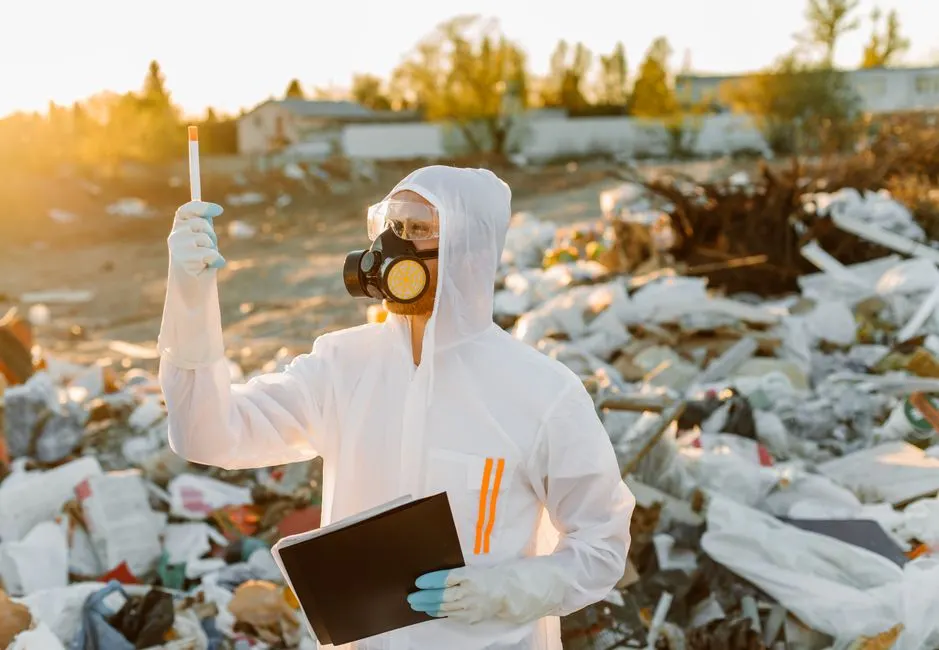
A female engineer in safety gear reviewing documents on a clipboard at a construction site.
Licensed Licensed & Bonded
Fully Insured Insured & Bonded
24/7 Emergency Same-Day Response
Warranty Backed Workmanship Guaranteed in Raleigh

What Your Mold Report Includes

Your documentation is built from the inspection performed at your property and records the conditions observed that day. We include relevant photographs, room and surface notes, moisture readings, and access limitations. If sampling is part of the work, sample details and laboratory results are added when available. Mold remediation, building repairs, and laboratory analysis are separate work items when needed; we explain the inspection and documentation price before proceeding.

Inspection Area Record

We list the rooms and accessible building areas examined, along with the concern that brought you in. Notes identify relevant observations by location, helping you distinguish one affected surface from another. If a space was blocked or concealed, the report records that limit.

Photographs and Observations

Photographs show relevant visible conditions, including staining, suspected growth, or water damage. We pair images with written observations so you can identify where they were taken. Photos document appearance; they do not identify mold species or prove what is inside a wall.

Moisture and Humidity Findings

Where appropriate, we document moisture readings and indoor humidity observations with their locations. These details help explain whether the inspected area showed signs consistent with current moisture. Readings are recorded as site measurements, not as a guarantee that every building material is dry.

Sampling Documentation

When sampling is included, we record sample type, collection point, and identifiers so results can be traced to the inspected area. Laboratory findings are attached or summarized when available. Sampling is selected to address a specific concern, not added automatically to every inspection.

Findings and Next Steps

Your report explains observed conditions and practical follow-up, such as investigating a leak, correcting humidity, or considering additional testing. We separate field observations from interpretation and describe what needs attention first, giving you a useful record for repair coordination.

Mold Inspection Reports and Documentation Raleigh NC


Mold Inspection Reports and Documentation Raleigh NC is a written inspection service that records observed mold-like growth, moisture conditions, inspection limits, and sampling results when testing is part of the job. We document the areas examined, the instruments used, relevant photographs, and the readings gathered during the visit. If laboratory analysis is ordered, the report connects each sample location with its laboratory result. The goal is a useful record you can share with a remediation contractor, property manager, insurer, or buyer without confusing observation with laboratory identification.

Raleigh homes and commercial buildings face humid summers, seasonal rain, roof and plumbing leaks, and moisture trapped in crawl spaces or wall cavities. A small ceiling mark after a storm or a persistent odor beside an HVAC return can call for more than a quick visual check. Our mold inspection reports and documentation Raleigh service records the conditions and explains what they mean for your property. If you searched for mold inspection reports and documentation near me Raleigh NC, we can inspect the concern and provide a practical written record.


What to Expect

Mold inspection report services Raleigh NC follow a straightforward sequence: define the concern, inspect the property, document conditions, and deliver findings. We explain the purpose of each instrument and sample before using it. A standard site visit often takes 1 to 3 hours; larger or more complex properties require additional time.

01

Schedule

Call or book online — a real human picks up and confirms a 2-hour arrival window.

02

Diagnose

Licensed tech inspects on-site, then walks you through the cause and your options.

03

Fix

The job is completed to code and done right the first time — no shortcuts, no surprises.

04

Guarantee

Every job backed by a written workmanship warranty — and we stand behind it.

Tools and Field Methods

Tools & Equipment

Protimeter pinless moisture meter

We use a pinless moisture meter to screen accessible building materials without making probe holes. Readings help identify areas for closer inspection and are recorded with the material and location so you can interpret them in context.

Pin-type moisture meter

A pin-type moisture meter checks selected materials with contact probes when a more direct reading is useful. We record the measurement location and material, making the report clearer for repair follow-up or later comparison.

FLIR thermal imaging camera

A FLIR thermal imaging camera helps locate temperature patterns that can guide further inspection. Thermal images do not identify mold or moisture by themselves, so we verify relevant areas with other observations and document what the image can and cannot show.

Hygrometer

A hygrometer records indoor relative humidity and temperature during the inspection. These conditions help explain condensation risk and support the report's description of the environment present at the time of the visit.

Air sampling pump and cassette

When air sampling is appropriate, an air sampling pump draws a measured air sample through a cassette for laboratory analysis. We document the sampling location and conditions so results can be interpreted alongside the inspection findings.

Methods & Standards

Moisture-led visual inspection

We begin with the reported concern, inspect accessible surfaces, and follow moisture clues rather than treating every discoloration as mold. Readings and photographs are tied to locations in the report. This method helps focus next steps while clearly noting concealed areas that could not be assessed.

Targeted air or surface sampling

Sampling is used when it addresses a defined question about airborne or surface conditions. We select a location and collection method suited to that question, label the sample, and document handling details. Laboratory results are reported separately from visual observations and are not a substitute for moisture correction.

Photographic and measurement record

We pair dated photographs with room labels, material notes, and relevant instrument readings. Consistent location details make the documentation easier to share and compare after repairs. The record describes conditions observed on the inspection day rather than promising that conditions will remain unchanged.

Guidance-based interpretation

We use EPA mold guidance to keep recommendations focused on moisture control, cleaning, and appropriate professional follow-up. The report explains the basis for each recommendation in plain language, distinguishing visible evidence and measured conditions from unverified assumptions about hidden materials.

When to Request Documentation

01

After a winter roof leak in Oakwood, a ceiling stain remains even after the visible drip stops.

What we do: We inspect the accessible ceiling and nearby materials, document staining and moisture readings, and note whether the area appears actively damp during the visit. If concealed materials remain a concern, the report explains the limit and practical follow-up options.

→ You get a dated record for your roofer or repair contractor and a clearer basis for deciding whether drying or further investigation is needed.

02

A North Raleigh buyer notices an earthy odor near an attic hatch during a pre-purchase walk-through.

What we do: We examine accessible attic areas connected to the odor, photograph relevant conditions, and record moisture observations. If testing is selected, we identify sample locations and include laboratory findings when available, keeping each result tied to the property.

→ You can discuss documented observations with your agent and repair professionals before deciding what further evaluation or correction is appropriate.

03

A Downtown Raleigh office reports recurring odor near an air return after a plumbing repair.

What we do: We inspect the reported area and accessible components, document the odor concern and visible conditions, and note any limits around concealed ductwork. The report records whether additional sampling or specialist access would answer the remaining question.

→ Your facilities contact receives clear locations and findings to coordinate maintenance, rather than an unsupported assumption about the entire HVAC system.

04

A Five Points landlord needs a record after a bathroom leak affected a cabinet and adjoining wall.

What we do: We document the affected surfaces, visible damage, and relevant moisture readings, then identify the areas examined and any access limits. The written findings support repair planning and create a baseline for checking the same locations later.

→ You have a dated property record to share with your maintenance contractor and reference after the leak repair is complete.

How Raleigh Inspections Are Documented

Raleigh's humid summers and periods of heavy rain can leave moisture in crawl spaces, attics, exterior walls, and rooms affected by plumbing leaks. In older homes around Oakwood and Five Points, additions, patched finishes, and varied ventilation can make a stain's history difficult to read from appearance alone. Newer homes also develop condensation around cold surfaces when indoor humidity and surface temperatures differ. We document the actual conditions at your property, using photographs and relevant readings rather than assuming that age or neighborhood predicts a problem. A Raleigh mold assessment report notes the rooms reviewed, visible findings, and any access limits; if you need mold testing results documentation Raleigh NC, we connect the sample details with the laboratory results when available. We serve Wake County, including Raleigh, NC ZIP codes 27612, 27614, and 27616. Your report gives contractors or property decision-makers a clear record of what we found and what still needs attention.

Neighborhoods We Serve

  • Oakwood

    Older homes and later repairs can create different wall and attic assemblies. We identify the specific area inspected and document visible evidence without assuming concealed conditions.

  • Five Points

    A roof or plumbing leak can affect finished ceilings and adjoining rooms. Location-specific photos help your repair contractor trace the reported concern.

  • North Raleigh

    Larger homes may have multiple HVAC zones, bathrooms, or attic areas. We label each inspected location so findings remain easy to track across the property.

  • Downtown Raleigh

    Mixed-use and commercial properties can involve shared walls and occupied spaces. We document the areas reviewed and relevant access limits for your records.

Local Conditions We Plan For

  • Humid summer air raises indoor moisture and condensation concerns.

    Higher indoor humidity can contribute to condensation on cooler windows, exterior walls, or HVAC surfaces. We record relevant conditions and connect them to the affected location so your report supports practical humidity and moisture follow-up.

  • Heavy rain can expose roof, wall, and crawl-space water entry.

    A leak may stop before an inspection while staining or damp materials remain. We document the visible evidence and readings present on site, noting that concealed assemblies require appropriate access before they can be assessed.

  • Older repairs can hide the history of a recurring moisture mark.

    Paint, patching, and replacement materials can make it difficult to judge a stain from appearance alone. Photographs, location notes, and material readings provide a more useful record for repair planning and later comparison.

Roof Leak, Clear Record

Before

A homeowner in Five Points had a ceiling stain after wind-driven rain, but the roof had already been patched. The stain was dry to the touch, and no one had recorded its size, nearby readings, or the rooms checked. The owner needed usable information before repainting.

After

We documented the ceiling and adjoining wall, photographed 3 relevant areas, and recorded readings at selected points. The report distinguished the old stain from the conditions measured during the visit and identified the attic access limit. The roofer had locations to review instead of a general description.

Maintenance: Keep the report with the roof repair invoice and take a dated photo after the next significant rain. If a new stain appears or readings change, compare the same locations and arrange follow-up before repainting.

Before

A North Raleigh buyer noticed a musty odor at an attic hatch and a dark patch on nearby sheathing. There were no photographs, moisture readings, or notes on whether the patch extended beyond the visible area. The buyer wanted a written record for a purchase discussion.

After

The inspection report identified the accessible attic sections reviewed, included 4 location-specific photographs, and recorded relevant moisture observations. Where sampling was included, sample identifiers and laboratory findings were linked to their collection points. The buyer could separate observed conditions from questions that required further access.

Maintenance: Retain the report with the property inspection file and ask for repair documentation if the roof or ventilation is corrected. A later inspection can revisit the same attic points and document whether conditions have changed.

Before

A Downtown Raleigh tenant reported an odor beneath a kitchen sink after a supply-line leak. The cabinet had been dried, but the owner had no record of the affected materials or the adjoining wall. Maintenance needed a baseline before closing the repair ticket.

After

We documented the cabinet, nearby wall, and accessible floor area, noting 3 key locations and the visible condition at each. The written findings helped the manager direct the plumber and retain a dated record for the unit. The report also made clear which concealed spaces were not opened.

Maintenance: Save the report with the plumbing repair record and monitor the cabinet base after use resumes. If the odor returns, compare the same locations and check whether the leak or moisture condition has recurred.

Solve Unclear Mold Documentation Problems

A stain or odor can leave you unsure what was inspected, whether moisture remains, or what information to pass along. Our written findings connect each concern to a location, observation, and relevant measurement. That makes a mold assessment report Raleigh NC customers can use more practical than an undocumented walkthrough.

Problem

A musty odor persists, but no one has recorded the source area.

Without location-specific notes, you may keep treating symptoms while overlooking a leak, damp material, or hidden moisture that needs further investigation.

Our Fix

We inspect accessible areas linked to the odor, document visible conditions, and take relevant moisture readings. Your report identifies where the concern was found and what was checked, helping you direct follow-up toward a specific area instead of repeating a broad, unfocused search.

Problem

A buyer needs written evidence about a visible attic concern.

A verbal description leaves room for confusion about the location, inspection limits, and whether laboratory testing was performed before a purchase decision.

Our Fix

We record accessible attic observations with photographs, location notes, and relevant readings. If sampling is appropriate, we document the collection point and results when available. You receive a dated account to discuss with your agent, seller, or repair professional.

Problem

Repairs are complete, but the property file lacks a useful baseline.

Without before-work documentation, it is harder to compare the original affected area with later conditions or explain what changed.

Our Fix

We document the reported concern, visible conditions, and relevant measurements during the inspection. After repairs, you can use that record to guide a follow-up inspection or verification. The comparison is most useful when the same locations and materials can be reviewed again.

Problem

A landlord needs a factual record after a tenant reports growth.

Missing dates, photographs, and location details can slow maintenance decisions and leave owners without a clear account of the reported condition.

Our Fix

We identify the unit areas examined, document visible findings, and note moisture conditions and access limits. The report gives you a consistent record for repair coordination and later review, while keeping observations distinct from conclusions about concealed spaces.

Useful Findings, Clear Next Steps

Useful Findings, Clear Next Steps

A strong report helps you decide what to address first, what needs further investigation, and what evidence is available for a property file. We write in plain language, tie observations to locations, and distinguish measured conditions from assumptions. You can use the findings to coordinate repairs, discuss remediation, or document a real estate decision.

  • Know What Was Found

    Your report identifies inspected rooms, visible mold-like growth, water staining, and moisture readings in context. Photos and location notes make it easier to discuss a specific wall, cabinet, or ceiling with a contractor. The Raleigh mold testing results and report keeps observations tied to the areas we actually examined.

  • Connect Growth With Moisture

    Mold concerns often point to a leak, condensation, or elevated indoor humidity that needs attention. We record relevant moisture conditions alongside the visible evidence, so you can prioritize the source instead of treating discoloration alone. A pinless moisture meter helps check building materials without leaving probe marks.

  • Support Property Decisions

    Buyers, sellers, landlords, and facility managers need a clear record they can use in discussions and planning. A detailed mold assessment report for a Raleigh property can document the inspection date, areas reviewed, access limits, and any samples collected. That gives the next decision-maker a factual starting point.

  • Coordinate the Next Step

    If findings point to a repair, targeted sampling, or remediation review, your documentation shows why that step is being considered. You can share the report with the people handling the work and keep a record for follow-up. We describe practical priorities without presenting a visual inspection as a guarantee about concealed spaces.

Professional Standards

Licensed & Certified

  • ACAC Council-certified microbial investigator credentials — issued by American Council for Accredited Certification
  • ACAC Council-certified indoor environmental consultant credentials — issued by American Council for Accredited Certification
  • IICRC Applied Microbial Remediation Technician certification — issued by Institute of Inspection, Cleaning and Restoration Certification
  • IICRC Water Restoration Technician certification — issued by Institute of Inspection, Cleaning and Restoration Certification

Verified Reviews

Customer feedback Not stated

A Raleigh homeowner described receiving a report with clear photographs and moisture readings after a leak. The location notes helped the repair contractor understand which wall and ceiling areas had been checked, and the report made the inspection limits easy to understand.

Customer feedback Not stated

A North Raleigh buyer said the written findings helped organize questions about an attic odor before a purchase decision. They valued the difference between visible observations and laboratory results, along with the dated record of areas examined.

Customer feedback Not stated

A Raleigh property manager shared that the documentation gave maintenance staff a useful baseline after a plumbing leak. Photos, room labels, and readings made it easier to coordinate repairs and keep the unit's inspection record in one place.

Field Knowledge and Reporting

Our Raleigh team connects field observations with a report you can understand and use. We document the inspection method, room conditions, instrument readings, photographs, and sampling details rather than relying on a brief summary of visible spots. Training relevant to microbial investigation and indoor environmental assessment informs how we evaluate moisture patterns and explain limits. We use recognized guidance, including EPA mold guidance, and coordinate sample analysis with qualified laboratories when testing is selected. You get a measured account of the property on the inspection day, not a promise about areas that were concealed or inaccessible.

  • We record where and how each moisture reading was taken, so later comparisons use the same room and material context.
  • Our inspectors document visible conditions with dated photographs and location notes rather than relying on memory or vague room labels.
  • Sampling decisions follow the inspection question; we explain whether an air, surface, or other sample adds useful evidence.
  • Reports distinguish field observations from laboratory findings, keeping measured evidence separate from interpretation.
  • We note access limits, active leaks, and conditions that could affect results so you know what the report does and does not cover.
Get Started Today
Field Knowledge and Reporting

Questions About Raleigh Mold Reports

Real answers to the questions we hear most often from local homeowners and property managers.

What does a mold inspection report include in Raleigh?
A Raleigh mold inspection report includes the areas inspected, observed conditions, relevant photographs, moisture readings, access limits, and recommendations based on the visit. If sampling is included, it also records sample locations and laboratory results when available. Your report distinguishes visual observations from lab analysis, so you can see what was measured and what remains unverified. The exact contents depend on the property and the inspection question.
How long does it take to receive a mold assessment report?
A written report without laboratory testing is often delivered within 1 to 2 business days after the inspection. If samples go to a lab, results commonly take several business days, depending on the laboratory and analysis requested. We document field observations promptly and include lab findings when they arrive. Your inspection time is often 1 to 3 hours, with more time needed for larger buildings or multiple areas.
Can a Raleigh mold inspection report include laboratory results?
Yes, a Raleigh mold inspection report can include laboratory results when air or surface samples are collected and submitted for analysis. We record the sampling location, method, and sample identifiers, then connect the lab report to the site findings. Testing is useful when it addresses a defined question; it does not replace moisture investigation or prove that every concealed area is clear. Ask us about mold testing results documentation Raleigh NC for your concern.
How much does mold inspection documentation cost?
In 2026, mold inspection documentation commonly costs $250 to $750, depending on property size, access, sampling, and the number of areas. A focused visual inspection with written findings costs less than a multi-room assessment with laboratory analysis. We explain pricing upfront before the work proceeds. Lab fees, additional samples, and larger commercial spaces can increase the total, while a single accessible area keeps the visit simpler.

Related Raleigh Services

Residential Mold Inspection

A residential inspection checks the rooms and building areas connected to your concern, then records findings for your home file. We document visible conditions, moisture readings, and access limits so you can plan repairs or discuss results with a contractor.

View Residential Mold Inspection

Commercial Mold Inspection

Commercial inspections document conditions across offices, retail spaces, and other occupied buildings. We identify areas reviewed and organize observations for facility managers, helping you coordinate maintenance, targeted testing, and repair decisions without losing track of locations.

View Commercial Mold Inspection

Mold Testing and Sampling

Sampling adds laboratory evidence when it answers a defined question about indoor or surface conditions. We label each collection point and include the sample method and results in your documentation, keeping test data connected to the inspected property.

View Mold Testing and Sampling

Air Quality Testing for Mold

Air sampling can help compare airborne particles in selected spaces when the inspection calls for it. The report records sampling locations and conditions, then includes laboratory findings when available. Results are interpreted alongside moisture observations, not as a standalone diagnosis.

View Air Quality Testing for Mold

Surface Mold Testing

Surface sampling documents material-specific findings from a selected area, such as a suspect patch on drywall or trim. We note the collection location and method so laboratory results have context and can be matched to the correct surface.

View Surface Mold Testing

Indoor Air Quality Assessment

An indoor air quality assessment records relevant indoor conditions that may relate to odors, humidity, or occupant concerns. Findings can complement mold documentation by giving you a broader view of the inspected rooms and the conditions present during the visit.

View Indoor Air Quality Assessment

Get Mold Documentation for Raleigh NC

A leak, musty odor, or visible growth deserves a clear record and a practical next step. Call Raleigh Mold Testing to schedule an inspection and discuss the documentation your property needs. Our team serves Raleigh, NC, and explains pricing upfront.

Call Now Request Inspection

Contact Raleigh Mold Testing

Tell us what you noticed, where it is happening, and whether there has been a recent leak or cleanup. Call +18668968166 to discuss Mold Inspection and Testing in Raleigh, NC. Our phone line is open Monday through Friday, 08:00 to 18:00; we respond during business hours and help you identify the right next step for your property.

Or call us right now at +18668968166 — we answer.

Raleigh Mold Testing


  • Phone

    +18668968166
  • Address

    Raleigh, North Carolina

  • Hours

    Mon–Fri: 7AM – 7PM
    Sat: 8AM – 4PM
    Sun: Emergency Only
    24/7 Emergency Available

Call +18668968166 Get Quote
Call Quote