Logo
Get Estimate

Post-Remediation Verification Raleigh NC

Independent checks after mold cleanup, with clear next steps


Post-Remediation Verification Raleigh NC gives homeowners, landlords, and property managers an independent check after mold cleanup. We inspect the treated areas, check for remaining moisture or visible growth, and collect samples when the conditions call for them. Our Raleigh team explains what the findings mean and documents the results, so you can address an uncertain clearance before rebuilding, moving back in, or closing out a repair.

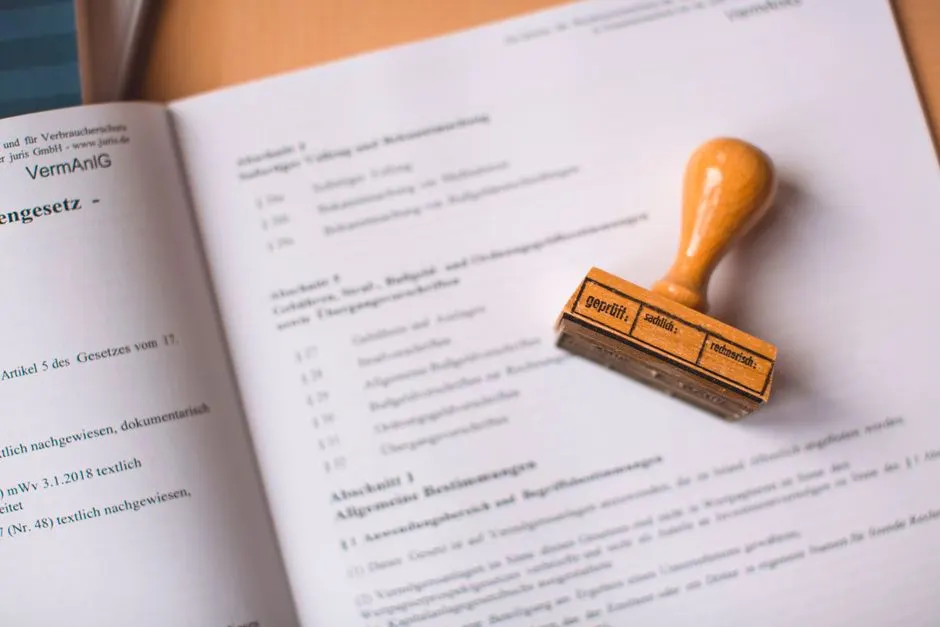
Close-up of a legal document with a wooden stamp placed on top, highlighting verification.
Licensed Licensed & Bonded
Fully Insured Insured & Bonded
24/7 Emergency Same-Day Response
Warranty Backed Workmanship Guaranteed in Raleigh

What Verification Covers After Cleanup

Post-Remediation Verification includes an inspection of accessible treated areas, moisture checks relevant to the work, and a written summary of observations. Sampling is added when it answers a defined question and is discussed with you first. The report identifies areas examined, readings or sample locations, and limits such as concealed cavities or restricted access. This keeps the result specific to the property instead of presenting one test as a guarantee.

Treated-Area Visual Review

We inspect accessible surfaces for visible growth, residue, debris, and signs of incomplete cleaning. We note the rooms and materials reviewed and identify any area blocked by furnishings or unfinished repairs. This gives you a factual record of the work zone.

Moisture Measurements

We measure relevant building materials and compare suspect readings with nearby materials of similar type. The report records the location and conditions, helping you see whether drying or leak investigation remains a priority before finishes are replaced.

Targeted Sampling Options

When testing is useful, we collect air or surface samples with labeled equipment and documented locations. Samples are sent for analysis, and results are interpreted with the inspection findings. We explain what each sample can and cannot establish.

Written Findings Review

You receive a report that summarizes observations, measurements, sample information, and laboratory results when applicable. We review the findings with you and identify practical next steps, including whether additional drying, cleaning, or source correction should be discussed.

Post-Remediation Verification Raleigh NC


Post-Remediation Verification Raleigh NC is an independent indoor environmental assessment that checks whether mold cleanup has addressed visible growth, affected materials, and moisture conditions. We review the work area, look for remaining debris or musty odors, and use moisture measurements to check building materials. When sampling is appropriate, we collect air or surface samples using documented methods and submit them to an accredited laboratory. The result is a written record of observed conditions and test findings, not a guarantee that mold can never return.

Raleigh's humid summers, occasional heavy rain, and older homes with crawl spaces can leave hidden moisture after a leak or remediation project. If a wall cavity, attic, or HVAC area was involved, a visual check alone may miss a continuing source. Our Raleigh independent remediation check helps you resolve uncertain clearance before finishes go back in. For a mold cleanup verification for a Raleigh property NC, we compare the treated area with the work scope and note conditions that could support renewed growth.

What to Expect at the Visit

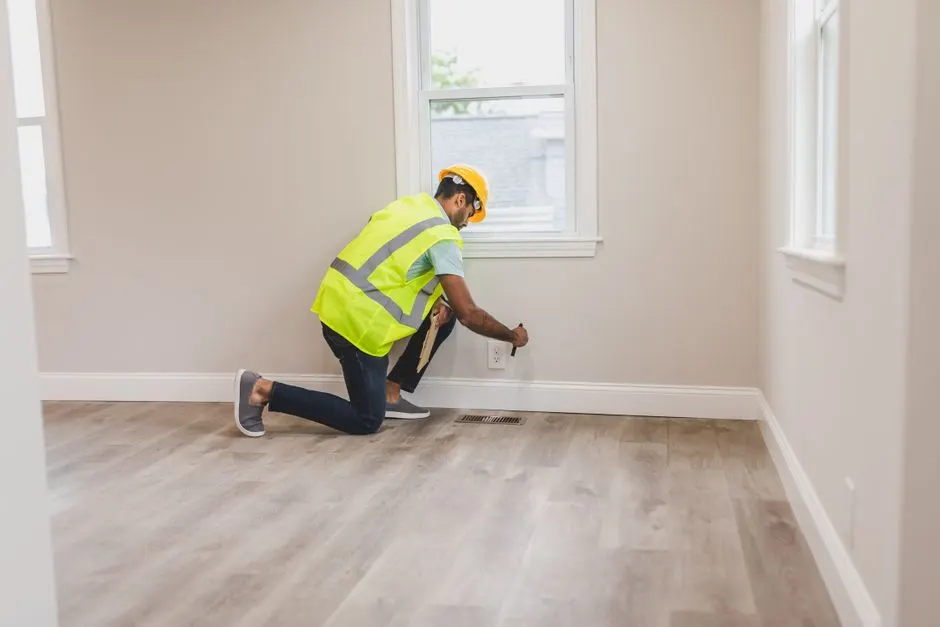
Post-remediation verification Raleigh begins with the cleanup scope and ends with documented findings. We coordinate access to treated rooms and ask you to keep the work area undisturbed before the visit. Most single-area assessments take about 1 to 3 hours; larger properties or sampling needs can extend the visit.

01

Schedule

Call or book online — a real human picks up and confirms a 2-hour arrival window.

02

Diagnose

Licensed tech inspects on-site, then walks you through the cause and your options.

03

Fix

The job is completed to code and done right the first time — no shortcuts, no surprises.

04

Guarantee

Every job backed by a written workmanship warranty — and we stand behind it.

Tools and Inspection Methods

Tools & Equipment

Pinless moisture meter

We scan suitable building materials without making pin holes, then compare readings across affected and nearby areas. It helps identify patterns that need closer measurement.

Pin-type moisture meter

We use contact pins for direct readings in compatible materials when a specific location needs confirmation. Readings are recorded with the material and location for context.

Thermal imaging camera

A FLIR thermal imaging camera shows surface temperature differences that can guide moisture investigation. It does not detect mold or confirm moisture on its own.

Hygrometer

We record indoor temperature and relative humidity because room conditions affect comfort, drying, and interpretation of moisture observations during the visit.

Air sampling pump and cassettes

An Air-O-Cell cassette or similar collection media can capture airborne particles during a measured sampling period. We document the location and conditions for interpretation.

Sterile swabs and tape lifts

Sterile swabs or tape-lift sampling slides collect material from a defined surface when that sample can answer a specific inspection question.

Methods & Standards

Visual and moisture comparison

We review the treated area and compare moisture readings with nearby materials of similar construction. The comparison helps put a number in context; one isolated reading does not establish whether a cleanup succeeded. We record the location and conditions so you and your contractor can follow up accurately.

Targeted air sampling

When air sampling is appropriate, we use a calibrated pump and labeled cassette to collect a measured sample. We document room conditions, sample duration, and location, and use a suitable comparison when the inspection plan calls for one. Laboratory results are interpreted alongside the visual and moisture findings.

Defined surface sampling

We use a sterile swab or tape-lift sample on a selected surface, not as a substitute for inspecting the full work area. The sample location is recorded and submitted for laboratory analysis when requested. Results describe material from that specific collection point, so we explain its limits.

Evidence-based reporting

Our report separates direct observations, instrument readings, and laboratory results. We refer to EPA mold guidance for general context and avoid presenting a universal numerical clearance threshold. You receive the methods used, locations assessed, limitations, and next steps in one readable document.

When to Schedule Verification

01

A North Raleigh roof leak affected attic sheathing, and cleanup is complete before insulation is replaced.

What we do: We inspect accessible treated sheathing, check moisture conditions, and document any visible residue or remaining concern. If the scope calls for sampling, we collect it before insulation blocks access and explain what the results will assess.

→ You have documented findings before the attic is closed up, helping you decide whether to proceed with insulation or address additional drying.

02

A rental unit near Downtown Raleigh is ready for turnover after a bathroom supply-line leak and remediation.

What we do: We review the treated rooms, inspect accessible surfaces, and measure affected materials and nearby comparison areas. The report records observations that the property manager can place in the maintenance file.

→ You can make a better-informed turnover decision and share clear findings with the owner, contractor, and incoming tenant.

03

A crawl-space cleanup followed recurring dampness after heavy rain near Oakwood.

What we do: We check accessible treated materials and look for moisture conditions that could indicate the original water issue remains. We document readings and note whether further source investigation is warranted before the area is considered complete.

→ You know whether the inspected area appears dry at the time of the visit and what moisture-related follow-up remains.

04

A family still notices a musty smell after professional cleanup in a West Raleigh living area.

What we do: We assess the treated room and nearby accessible materials, measure moisture, and discuss targeted air or surface sampling if it fits the concern. Our notes distinguish observed conditions from test results.

→ You receive a practical account of what was checked and a specific direction for investigating any remaining odor.

How Verification Works in Raleigh Homes

Post-Remediation Verification Raleigh NC accounts for the region's warm, humid summers and frequent shifts between damp outdoor air and air-conditioned interiors. Those conditions can contribute to condensation on windows and cold surfaces, while crawl spaces and older wall assemblies may retain moisture after a leak. We measure indoor humidity and affected materials rather than judging a room by appearance alone. In older homes around Five Points or Oakwood, access to concealed framing can be limited; we state that limit plainly. For Raleigh mold remediation verification, we review the cleanup area and water source, then select inspection and sampling methods that fit the question. A post-remediation verification near me Raleigh NC visit is most useful after cleaning and drying are complete but before rebuilt finishes hide the work. We operate in Wake County and serve Raleigh, NC, including ZIP codes such as 27617, 27616, and 27615. Our report gives you location-specific findings, not a blanket promise about unseen parts of the property.

Neighborhoods We Serve

  • Five Points

    Older homes can have enclosed wall cavities and layered finishes, so we document access limits and use moisture comparisons around the treated area.

  • Oakwood

    Historic construction and crawl-space conditions can complicate drying after leaks. We check accessible materials and record where further access may be needed.

  • North Raleigh

    Roof leaks, bathroom plumbing failures, and HVAC moisture concerns can affect multiple rooms. We compare treated locations with adjacent areas when appropriate.

  • Downtown Raleigh

    Mixed residential and commercial properties may require coordination around occupied spaces. We document the areas inspected and the conditions during sampling.

Local Conditions We Plan For

  • High outdoor humidity during Raleigh summer drying

    Outdoor air can slow drying or raise indoor humidity when doors and windows remain open. We record room conditions during verification so readings and any samples are interpreted in the context present at the visit.

  • Heavy rain followed by crawl-space dampness

    Water intrusion or ground moisture can affect materials below the living area even after an upstairs leak is repaired. We note accessible moisture conditions and identify when source correction needs attention.

  • Winter condensation on cold windows and exterior surfaces

    Condensation can create localized dampness that resembles a recurring cleanup problem. We assess the location, humidity, and nearby materials to help distinguish surface condensation from a remaining leak or hidden moisture concern.

Bedroom Wall After Roof Leak

Before

A Raleigh bedroom had been cleaned after roof water damaged an exterior wall. The contractor reported completion, but the homeowner noticed a musty smell and was unsure whether the framing had dried. New paint was scheduled, which would have made the area harder to inspect.

After

We inspected the accessible work area, checked the wall and nearby comparison points, and documented one reading that remained higher than adjacent material. The homeowner delayed painting, arranged further drying, and requested a focused recheck. The important change was a specific location and action, not an unsupported all-clear.

Maintenance: Keep the repaired roof and flashing in good condition, and check the room after heavy rain. If staining or odor returns, document the location promptly and investigate the water source before repainting.

Before

A rental bathroom had been remediated after a supply-line leak. The floor and wall looked clean, but the property manager needed a record before the next tenancy. No one had compared moisture in the treated area with the adjoining room.

After

The verification visit recorded accessible surfaces, indoor humidity, and moisture readings at affected and comparison materials. No elevated readings were found in the checked locations, and the report documented the limits of access. The manager used the findings to complete the maintenance file and coordinate turnover.

Maintenance: Inspect the supply connection and nearby cabinet area during routine maintenance. A prompt response to a new leak reduces the chance of water reaching wall cavities and requiring another cleanup.

Before

After crawl-space remediation near Oakwood, the homeowner continued to notice an earthy odor after rain. The cleaned area was not visibly wet, but recurring dampness raised questions about whether moisture was still entering below the home.

After

We reviewed accessible treated materials and recorded moisture conditions at the time of inspection. The report noted a damp area away from the cleaned section that warranted separate source investigation. The homeowner could distinguish the completed treatment area from the remaining drainage concern.

Maintenance: Check the crawl-space access and visible ground conditions after prolonged rain. Keep gutters and downspouts directing water away from the foundation, and investigate recurring dampness rather than masking the odor.

Resolve Uncertain Cleanup Results

A finished remediation job can still leave questions: is a wall dry, did cleaning reach the full work area, or is an odor coming from an unresolved source? Our verification visit gives you location-specific observations and measurements. It helps you address uncertainty before rebuilding or returning a space to routine use.

Problem

Musty odor remains after cleanup in a Raleigh bedroom

An odor can indicate residual dampness, hidden debris, or another source, and covering the area too soon can make later investigation harder.

Our Fix

We inspect the treated room and adjacent accessible materials, check moisture, and note odor location and conditions. If sampling is appropriate, we explain the question it is intended to answer. You get a record that helps direct follow-up rather than an unsupported claim about the odor.

Problem

Drywall looks clean but moisture readings remain elevated

Closing a wall over damp material can allow damage to continue and may create conditions that support renewed growth.

Our Fix

We compare readings at the affected area with suitable nearby materials and document exact locations. A thermal imaging camera can help identify patterns for further checking, but we confirm concerns with direct measurements. You can use the recorded results to coordinate more drying or investigate the source.

Problem

A contractor's clearance is unclear or lacks test details

Without locations, methods, or observations, you may not know what was assessed or whether the report addresses your concern.

Our Fix

Our independent assessment records the accessible work area, measurements, and any sampling performed. We explain the limitations and review results with you. A written report gives Raleigh property owners a concrete basis for deciding whether to proceed with repairs or request targeted follow-up.

Problem

The same leak may still be affecting the remediation area

If water continues entering through a roof, wall, or plumbing connection, cleaned materials can become wet again and undermine the completed work.

Our Fix

We look for signs of continuing water intrusion and elevated moisture near the treated area. Verification is not a substitute for leak repair, so we identify evidence that warrants source investigation. You can address the cause before replacing finishes and repeating cleanup.

Know What Cleanup Achieved

Know What Cleanup Achieved

A documented verification visit gives you practical information before you rebuild or return a room to regular use. We focus on evidence: visible conditions, moisture readings, sampling results when collected, and the limits of each finding. You receive clear observations rather than a vague pass-or-fail promise.

  • Find Remaining Moisture

    We take comparative readings at affected and nearby materials with a moisture meter, then investigate areas that remain elevated. That matters after a roof leak or plumbing failure because drying the surface does not prove the wall cavity is dry. The report identifies readings and locations so you can target any remaining drying or repair.

  • Check Treated Areas

    Our visual review checks accessible surfaces for visible mold growth, dust, debris, and signs that containment or cleaning was incomplete. We document the rooms and materials examined instead of making a broad claim about the whole building. You get a clear record of what was seen and what could not be accessed.

  • Use Sampling With Purpose

    Sampling is selected to answer a defined question, such as whether airborne conditions in a cleaned room differ from a suitable comparison area. We use sterile swabs or air sampling cassettes when appropriate and explain that one sample is a snapshot, not a building-wide guarantee.

  • Support Your Next Decision

    The findings help you decide whether to proceed with repairs, request additional cleaning, or investigate a moisture source. Raleigh mold remediation verification can also provide a useful record for a property manager or contractor. We explain the result in plain language and identify practical next steps.

Credentials and Inspection Standards

Licensed & Certified

  • ACAC Council-certified microbial investigator credentials — issued by American Council for Accredited Certification
  • IICRC Applied Microbial Remediation Technician certification — issued by Institute of Inspection, Cleaning and Restoration Certification
  • IICRC Water Restoration Technician certification — issued by Institute of Inspection, Cleaning and Restoration Certification
  • ACAC Council-certified indoor environmental consultant credentials — issued by American Council for Accredited Certification

Verified Reviews

Customer feedback Not rated

After mold cleanup in our Raleigh home, we needed a separate look before replacing drywall. The inspector checked moisture in the work area and explained what the readings meant. The report showed exactly which locations were assessed, which made it easier to coordinate the remaining drying with our contractor.

Customer feedback Not rated

Our North Raleigh rental had a lingering smell after a leak repair. The verification visit focused on the treated room and nearby materials instead of making a broad promise. We received clear notes about the inspection and practical guidance on the next step for the property.

Customer feedback Not rated

We wanted to know whether a crawl-space cleanup was ready to close out. The inspector checked accessible areas, recorded moisture conditions, and pointed out a separate damp location to investigate. The findings were straightforward and helped us avoid treating the entire space as one unresolved problem.

Field-Based Verification Expertise

Our team approaches post-cleanup checks as an inspection, not as a sales pitch for more remediation. We use established moisture and sampling practices, follow equipment instructions, and document where each observation came from. Relevant training includes ACAC Council-certified microbial investigator credentials and IICRC Applied Microbial Remediation Technician certification. Those credentials inform the work; the actual conclusion still depends on site conditions, access, and the evidence collected. We distinguish what we observed from what a sample can establish, so your report stays useful to you and your contractor.

  • We check moisture conditions alongside visible surfaces, because a clean-looking finish does not rule out damp material behind it.
  • Our technicians document sample locations and collection conditions to make laboratory results easier to interpret against the inspection.
  • We apply EPA mold guidance as practical context, while explaining that no single federal clearance threshold fits every building.
  • When samples are analyzed, we use laboratories with relevant AIHA Laboratory Accreditation Programs accreditation or ISO/IEC 17025 laboratory accreditation.
  • We use personal protective equipment and careful handling practices to reduce cross-contamination during inspection and sample collection.
Get Started Today
Field-Based Verification Expertise

Frequently Asked Questions

Real answers to the questions we hear most often from local homeowners and property managers.

How much does post-remediation verification cost in Raleigh?
A straightforward Raleigh verification visit often costs $250 to $650, with laboratory sampling or multiple areas increasing the total. Typical 2026 pricing in this area depends on property size, access, the number of samples, and whether specialized equipment is needed. We explain the price before work begins. A visual and moisture inspection costs less than a multi-room assessment with air and surface samples.
What does mold remediation verification confirm?
Verification documents whether accessible treated areas appear clean and dry and whether collected samples show findings that need follow-up. It does not certify that every hidden cavity is mold-free or predict future growth. We assess visible conditions, moisture readings, and any laboratory results together, then state the inspection limits. Raleigh Mold Testing gives you a written explanation you can share with the cleanup contractor or property manager.
When should I book a post-cleanup inspection in Raleigh NC?
Book after remediation cleaning and drying are complete, containment is removed as appropriate, and the contractor says the area is ready for assessment. Waiting until work is finished lets us evaluate the result rather than an active job site. For a post-treatment mold inspection Raleigh, keep the area undisturbed beforehand and provide the cleanup scope. If materials still feel damp or odors persist, tell us when scheduling.
Should the remediation contractor also perform verification testing?
An independent inspector provides a clearer separation between cleanup work and assessment. A contractor can document its own process, but a separate evaluator has no cleanup result to approve. We review the scope, inspect the treated area, and select testing only when it helps answer a specific question. This approach does not imply misconduct; it simply gives you an independent record for your decision.

Related Mold Assessment Services

Residential Mold Inspection

A residential inspection helps locate visible growth, moisture, and suspected hidden conditions before or after cleanup. Raleigh homeowners can use it to establish a baseline in nearby rooms, then compare the findings with Post-Remediation Verification results after work is complete.

View Residential Mold Inspection

Commercial Mold Inspection

Commercial inspections assess occupied spaces, building materials, and moisture patterns across offices or managed properties. After remediation, verification documents the treated areas and helps facility managers plan access, reopening, and any remaining investigation.

View Commercial Mold Inspection

Mold Testing and Sampling

Testing and sampling answer targeted questions about air or specific surfaces; they do not replace a visual inspection. We can collect samples during a verification visit when conditions and the cleanup question support testing, then explain the laboratory findings alongside site observations.

View Mold Testing and Sampling

Air Quality Testing for Mold

Air sampling can help compare airborne particles in a treated room with a suitable reference location. We select sample locations and document conditions so the results have context. It is most useful when a defined concern remains after cleanup, not as a substitute for checking moisture.

View Air Quality Testing for Mold

Surface Mold Testing

A surface sample can identify material collected from a particular spot, such as a stain or suspected residue. During verification, it may help clarify a specific visible concern. We pair the result with photographs and observations rather than treating one surface sample as a whole-building clearance.

View Surface Mold Testing

Indoor Air Quality Assessment

An indoor air assessment looks beyond mold alone and records factors such as humidity, ventilation, and potential particle concerns. It can be useful when odors or occupant concerns continue after remediation. Findings help distinguish a remaining moisture issue from a broader indoor environmental question.

View Indoor Air Quality Assessment

Book Post-Remediation Verification Raleigh NC

If cleanup is complete but you still have a damp reading, lingering odor, or uncertain clearance, call Raleigh Mold Testing. We provide an independent assessment and clear findings for your next decision. Call +1 866-896-8166 to schedule your visit.

Call Our Team Schedule Visit

Contact Raleigh Mold Testing

Tell us what you noticed, where it is happening, and whether there has been a recent leak or cleanup. Call +18668968166 to discuss Mold Inspection and Testing in Raleigh, NC. Our phone line is open Monday through Friday, 08:00 to 18:00; we respond during business hours and help you identify the right next step for your property.

Or call us right now at +18668968166 — we answer.

Raleigh Mold Testing


  • Phone

    +18668968166
  • Address

    Raleigh, North Carolina

  • Hours

    Mon–Fri: 7AM – 7PM
    Sat: 8AM – 4PM
    Sun: Emergency Only
    24/7 Emergency Available

Call +18668968166 Get Quote
Call Quote