Logo
Get Estimate

Pre-Purchase Mold Inspection Raleigh NC: Know Before You Buy

Find moisture concerns before they become your responsibility


Pre-Purchase Mold Inspection Raleigh NC helps you identify visible mold, hidden moisture, and conditions that could affect a home before closing. Raleigh Mold Testing inspects for buyers, their agents, and families weighing a purchase, with findings tied to the property rather than guesswork. A Raleigh homebuyer mold assessment can help you ask focused questions, plan next steps, and make an informed decision while you still have time in the transaction.

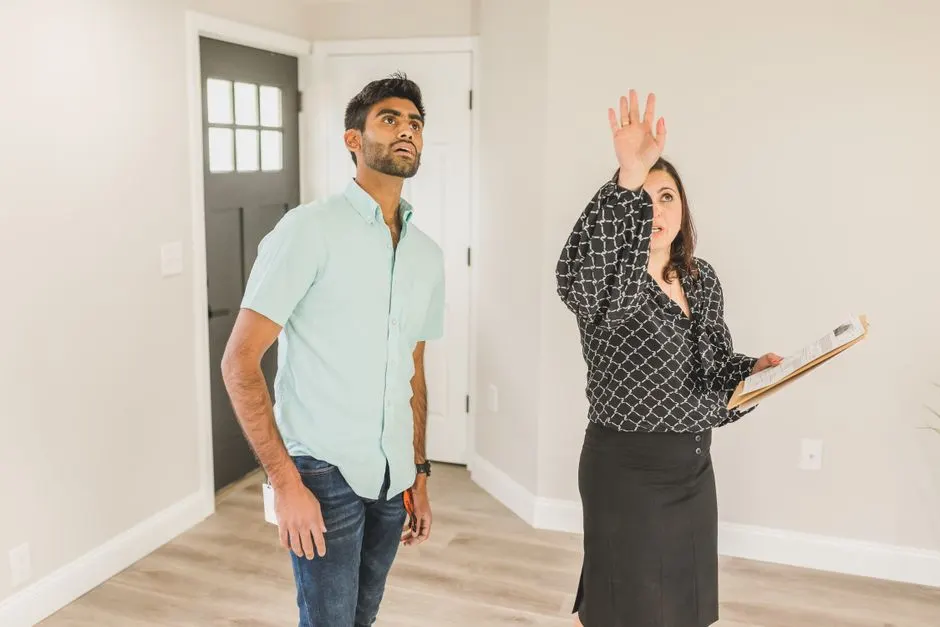
A real estate agent shows a house to a client, discussing the property details.
Licensed Licensed & Bonded
Fully Insured Insured & Bonded
24/7 Emergency Same-Day Response
Warranty Backed Workmanship Guaranteed in Raleigh

What Your Pre-Purchase Inspection Covers

Your inspection includes a visual review of accessible areas, moisture checks where conditions warrant them, and a report describing findings and practical next steps. Sampling is recommended when it answers a specific question; it is not automatically needed in every home. We explain the inspected locations and access limits so you can distinguish what was evaluated from concealed areas that could not be reached.

Accessible Area Review

We inspect accessible rooms and relevant areas such as bathrooms, kitchens, laundry spaces, attic access, and crawl-space access. The review records visible growth, staining, musty odors, and signs of water intrusion that could affect your purchase decision.

Moisture And Humidity Readings

Where evidence points to damp materials or condensation, we take targeted readings and compare suspicious locations with nearby surfaces. A hygrometer provides relative humidity context, while moisture meters help identify areas that need further attention.

Targeted Mold Sampling

If visual observations leave a specific question unanswered, we discuss air or surface sampling and collect the appropriate sample. The report identifies the sample location and method, and laboratory results are explained in relation to the inspection findings.

Photographs And Findings

Your report organizes relevant observations by location and includes photographs when they clarify a condition. It distinguishes visible evidence, moisture concerns, sampling results, and inaccessible areas so you can share a useful record with your agent.

Practical Follow-Up Guidance

We identify the next action associated with each concern, such as obtaining leak repair records, correcting an active moisture source, or arranging a more focused evaluation. The recommendations stay tied to the evidence found in the home.

Pre-Purchase Mold Inspection Raleigh NC


Pre-Purchase Mold Inspection Raleigh NC is a property condition inspection that evaluates visible mold and moisture indicators before a buyer closes on a home. We examine accessible rooms, ceilings, plumbing areas, windows, attics, and crawl spaces for staining, musty odors, water damage, and elevated moisture in building materials. A pinless moisture meter helps locate damp areas without making holes; a thermal imaging camera can help identify temperature patterns that warrant closer checking. When evidence supports sampling, we collect targeted samples and explain what the results do and do not establish.

Raleigh homes face humid summers, heavy rain, and seasonal temperature swings that can expose roof leaks, crawl-space moisture, condensation, and plumbing failures during a sale. Older houses in Five Points or Oakwood may have layered repairs, while newer homes can still develop leaks around windows, HVAC equipment, or bathrooms. If you need a mold inspector for a home purchase in Raleigh, we focus on the accessible evidence that matters to your decision and document areas that deserve follow-up before closing.

What Happens During The Inspection

A Pre-Purchase Mold Inspection Raleigh NC visit follows a practical sequence: understand the property concern, inspect accessible areas, measure suspicious materials, and report findings. Most appointments take about 2 to 4 hours, depending on home size, access, and the number of areas that need closer attention.

01

Schedule

Call or book online — a real human picks up and confirms a 2-hour arrival window.

02

Diagnose

Licensed tech inspects on-site, then walks you through the cause and your options.

03

Fix

The job is completed to code and done right the first time — no shortcuts, no surprises.

04

Guarantee

Every job backed by a written workmanship warranty — and we stand behind it.

Inspection Tools And Methods

Tools & Equipment

Pinless moisture meter

We use a pinless meter to screen larger areas for moisture patterns without puncturing the surface. It helps identify locations where closer visual inspection or a pin-type reading is appropriate.

Protimeter pin-type moisture meter

A pin-type meter checks a targeted material at a specific point. We use the reading alongside nearby comparisons and visible conditions rather than treating one number as a complete mold diagnosis.

FLIR thermal imaging camera

Thermal imaging can highlight temperature differences that suggest a location deserves closer checking. We confirm any concern with direct inspection or moisture readings; an image alone does not prove water or mold.

Hygrometer

A hygrometer measures relative humidity and temperature to give context for condensation and indoor moisture conditions. We interpret those readings with the room's surfaces, ventilation, and current conditions.

Air sampling pump and Air-O-Cell cassette

When air sampling is justified, an air sampling pump draws a measured volume through an Air-O-Cell cassette for laboratory analysis. We document the sample location and explain its limits.

Swab and tape-lift sampling kits

Sterile swabs or tape-lift sampling slides collect material from selected surfaces when a visual concern needs identification. Sampling is targeted to the question and location, not used as a substitute for moisture investigation.

Methods & Standards

Moisture-source-first inspection

We look for the conditions that can support mold before recommending testing: leaks, damp materials, condensation, and water intrusion. This keeps the inspection focused on why a concern exists and helps separate an isolated stain from a condition that needs correction.

Targeted air and surface sampling

We choose the sample type based on the question raised by the walkthrough. Air sampling evaluates a defined indoor-air question, while surface sampling addresses a specific visible spot. Collection location, method, and relevant site conditions are recorded for interpretation with laboratory findings.

EPA mold guidance-informed communication

We explain visible mold and moisture findings in practical terms consistent with EPA mold guidance. The focus remains on correcting moisture sources and documenting observed conditions, not on unsupported health claims or a single universal threshold.

Safety-conscious work practices

We use personal protective equipment appropriate to the task and follow applicable OSHA respiratory protection requirements. Sampling materials are handled to reduce cross-contamination, and the work area is treated carefully when collecting a surface or air sample.

When Buyers Should Book An Inspection

01

You find a musty odor in a finished basement or crawl-space-adjacent room during a Raleigh showing.

What we do: We inspect accessible surfaces and nearby moisture sources, then take readings where the odor or visible evidence points to a concern. If testing could answer a specific question, we explain the sample choice and document where it was collected.

→ You get a clearer picture of the observed condition and a practical follow-up path before the purchase timeline closes.

02

A home has a patched ceiling after a roof leak, but the seller cannot explain the repair history.

What we do: We review the patch and accessible surrounding areas for staining, dampness, and related signs. Where appropriate, we use a thermal imaging camera to identify patterns for further checking, then confirm concerns with direct inspection and moisture readings.

→ You can ask for specific repair records or additional evaluation instead of relying on a vague description of the old leak.

03

You are purchasing an older Oakwood home with visible condensation or recurring window moisture.

What we do: We document affected windows and nearby materials, measure indoor humidity, and look for conditions that support condensation. We distinguish moisture patterns from visible mold and explain what ventilation or leak questions remain.

→ You understand whether the concern is limited to a surface condition or needs a closer look before closing.

04

A seller reports mold cleanup, but you have no clear record of the affected rooms or moisture repair.

What we do: We inspect accessible treated locations and nearby materials, then compare observed conditions with the documentation you can provide. If the agreement calls for verification, we discuss targeted sampling and report what the results establish.

→ You receive a location-based record to support a focused conversation about completed work and remaining questions.

How Raleigh Property Conditions Shape Inspections

Pre-Purchase Mold Inspection Raleigh NC accounts for the moisture patterns local buyers encounter, from humid summer air to heavy rain and cold-season condensation. Raleigh's mix of older homes, renovated properties, and newer construction means the likely trouble spots vary: an older roof or crawl space may show a long repair history, while a newer home can still have a plumbing leak or poor bathroom exhaust. We check accessible evidence rather than assuming age predicts condition. If you need a property purchase mold evaluation Raleigh, we note the location and context of each concern, including whether it appears active or dry on the day of inspection. Homes in Wake County may have crawl spaces where drainage and ground moisture deserve attention, and wind-driven rain can expose weak points around roofs, walls, and windows. When a sample is appropriate, we explain its purpose before collection. Your report separates observations from recommendations so you can act within your closing timeline.

Neighborhoods We Serve

  • Five Points

    Older and renovated homes can have layered roof or plumbing repairs. We pay attention to patched ceilings, window condensation, and accessible crawl-space conditions.

  • North Raleigh

    Homes with varied ages and layouts can present different attic, bathroom, and HVAC concerns. We focus on the specific property history rather than applying a one-size checklist.

  • Oakwood

    Historic-home updates can leave visible evidence of earlier leaks or repairs. We document current moisture indicators and distinguish them from dry, older staining.

  • Downtown Raleigh

    Renovated interiors may conceal past water damage behind new finishes. We examine accessible areas and note where the inspection cannot see behind enclosed materials.

Local Conditions We Plan For

  • High summer humidity and damp crawl-space conditions

    Humidity can contribute to condensation and musty odors, especially where ventilation or drainage is limited. We check accessible materials and interpret humidity readings alongside the observed conditions rather than using humidity alone as proof of mold.

  • Heavy rain exposing roof, wall, or window leaks

    Rain-related intrusion can leave stains or elevated moisture after the surface appears dry. We look for related evidence around the affected area and record any readings that suggest further evaluation or repair documentation is needed.

  • Cool-season condensation on windows and cold surfaces

    Condensation can wet sills and adjacent finishes, creating localized conditions that differ from a roof or plumbing leak. We document the affected surfaces, check nearby materials, and consider room humidity and ventilation when describing next steps.

Musty Crawl Space Before Closing

Before

A buyer noticed a musty odor near a first-floor bedroom but saw no obvious mold. The seller mentioned an earlier plumbing repair, and the inspection report did not identify the odor's source. Without a focused review, the buyer could not tell whether the smell came from a dry past event or a current moisture concern.

After

We inspected accessible crawl-space areas and the nearby bedroom, then took targeted moisture readings at suspicious materials. The report identified the observed locations, noted which areas were inaccessible, and described the conditions that warranted follow-up. The buyer had a specific record to share with the agent before the contingency period ended.

Maintenance: After purchase, keep gutters and drainage clear, repair plumbing leaks promptly, and recheck the crawl space after significant water events. Monitor indoor odors and humidity rather than covering a recurring smell with fragrance.

Before

A Raleigh buyer found a brown ceiling stain below the roofline and heard that a repair had been made, but there were no details about the affected materials. The surface looked dry during the showing, leaving uncertainty about whether moisture remained or the stain was old.

After

We documented the ceiling and accessible attic area, compared moisture readings around the stain, and recorded the visible repair evidence. The findings separated the dry surface observed that day from questions that required seller records or a roofing follow-up. The buyer could make a more informed decision with location-specific information.

Maintenance: Keep roof and repair records with the home documents, inspect the ceiling after heavy rain, and address any new staining quickly. A dry reading on one day does not remove the need to correct a recurring leak.

Before

A homebuyer saw water on several window sills during a cool morning showing and worried that mold might be hidden behind the trim. No visible growth was present, but the recurring condensation had left small marks that were difficult to interpret.

After

We checked the affected sills and nearby materials, recorded humidity conditions, and noted where the surface showed moisture-related wear. The report explained the difference between observed condensation evidence and confirmed mold, giving the buyer focused questions about ventilation and prior maintenance before closing.

Maintenance: Keep window surfaces dry, use bathroom and kitchen exhaust where available, and watch for condensation returning as temperatures change. If staining expands or materials remain damp, investigate the moisture source rather than repainting over it.

Solve Buyer Concerns Before Closing

A musty smell or old water stain can leave you unsure whether the home has a current moisture problem. Our inspection connects the visible signs with readings and documented locations, helping you decide what deserves follow-up before you commit to the purchase.

Problem

Persistent musty odor with no visible source during showings

An unresolved odor can point to hidden moisture or a concealed source, leaving you uncertain about what you may inherit after closing.

Our Fix

We trace accessible areas around the odor for water staining, damp materials, and likely moisture pathways. A moisture meter helps us compare suspicious spots with nearby surfaces. If the inspection supports sampling, we explain the purpose and collect a targeted sample so you have evidence to guide follow-up.

Problem

Old ceiling stains near a roof or plumbing repair

A stain alone cannot show whether a leak is active, properly repaired, or associated with hidden material damage.

Our Fix

We document the stained area, check accessible nearby materials for moisture, and look for related evidence around the roofline or plumbing area. You receive a clear record of what was visible on inspection day and what repair documentation or further evaluation may answer remaining questions.

Problem

Crawl-space moisture concerns in a Raleigh home

Damp conditions below the living space can affect stored materials and may contribute to odors or elevated humidity indoors.

Our Fix

We inspect accessible crawl-space areas for visible growth, standing water, damp framing, and water entry clues. Findings are recorded by location, with moisture readings where appropriate. You can use the report to ask about drainage, prior water events, or corrective work before taking ownership.

Problem

Uncertainty about mold after a seller's remediation

Without clear documentation, you may not know which areas were treated or whether the original moisture source was addressed.

Our Fix

We examine accessible treated areas for visible residue, moisture concerns, and signs that warrant additional evaluation. If the purchase agreement calls for post-work testing, we can discuss appropriate sampling or verification. You receive findings that can be compared with available remediation records.

Make Your Purchase Decision Clearer

Make Your Purchase Decision Clearer

A focused inspection replaces a vague worry about mold with documented observations, moisture readings, and practical next steps. We explain what we find in plain language, so you can share relevant details with your agent, seller, or contractor before a contingency deadline.

  • Find Hidden Moisture

    We check accessible walls, ceilings, floors, and plumbing-adjacent surfaces for dampness that a visual walkthrough can miss. A Protimeter pin-type moisture meter allows targeted readings at suspicious materials, while visual inspection helps distinguish a current concern from an old stain. You receive specific locations to discuss with the seller rather than a general warning.

  • Support Negotiations With Facts

    A clear report helps you identify whether a concern calls for a repair, additional evaluation, or a conversation about the purchase terms. Your Raleigh mold check before closing can include photographs, moisture observations, and sampling results when collected. That detail gives your agent something concrete to reference before a deadline, without promising that every concern is a bargaining point.

  • Understand Sampling Results

    Mold testing is most useful when it answers a focused question raised by the inspection. We explain why a sample was collected, where it came from, and how laboratory findings relate to the observed conditions. Results are evidence from the sampled location and time, not a guarantee that every concealed space in a home is mold-free.

  • Plan Before You Take Ownership

    A pre-purchase mold inspection Raleigh service can flag areas to monitor or have evaluated before keys change hands. We identify visible growth, damp materials, and likely moisture pathways so you can prioritize next steps. You leave with a practical record of findings instead of inheriting an unexplained odor or an overlooked leak.

Training And Review Standards

Licensed & Certified

  • ACAC Council-certified microbial investigator credentials — issued by American Council for Accredited Certification
  • ACAC Council-certified indoor environmental consultant credentials — issued by American Council for Accredited Certification
  • IICRC Water Restoration Technician certification — issued by Institute of Inspection, Cleaning and Restoration Certification
  • IICRC Applied Microbial Remediation Technician certification — issued by Institute of Inspection, Cleaning and Restoration Certification

Verified Reviews

Google ★★★★★5.0

We needed a mold inspection before closing on a North Raleigh home after finding a water stain near the laundry room. The technician explained the moisture readings, took photographs, and showed us which areas were accessible. The report gave our agent specific questions to raise with the seller. The visit was thorough without turning every mark into a major problem.

Google ★★★★★5.0

Raleigh Mold Testing checked a musty odor in the crawl-space area of a house we were considering in Five Points. We appreciated the clear explanation of what the inspection could confirm and where follow-up was needed. The findings helped us understand the concern before making a decision, and the report was easy to share.

Yelp ★★★★★5.0

We booked an inspection after noticing condensation and staining on windows in an older Oakwood home. The technician checked the affected surfaces, measured humidity, and explained the difference between moisture evidence and confirmed mold. We left with practical questions for the seller and a much clearer record of what had been checked.

Inspection Experience And Standards

Raleigh Mold Testing brings local experience to buyer-focused inspections, where access, timing, and clear documentation all matter. Our work draws on training in microbial investigation and water-damage assessment, including ACAC Council-certified microbial investigator credentials and IICRC Water Restoration Technician certification where held by the assigned professional. We inspect the moisture conditions that can support mold, not just the visible surface. Findings are described carefully, and any recommended sampling is connected to a specific question about the property.

  • We distinguish visible mold growth from discoloration and document the conditions that support each observation.
  • Moisture readings are interpreted against nearby materials and the context of the room, not treated as a standalone diagnosis.
  • Sampling methods are selected to answer a defined question about a surface or indoor air condition.
  • Reports identify inspected areas, inaccessible spaces, observed water damage, and suggested follow-up in plain language.
  • We look for common sources such as roof or wall intrusion, plumbing leaks, condensation, and crawl-space moisture.
Get Started Today
Inspection Experience And Standards

Pre-Purchase Mold Inspection Questions

Real answers to the questions we hear most often from local homeowners and property managers.

How much does a pre-purchase mold inspection cost in Raleigh?
A Raleigh pre-purchase mold inspection commonly costs about $250 to $650, depending on property size, access, and sampling needs. The inspection fee covers the site evaluation and reporting; laboratory sampling can affect the total. Typical 2026 pricing in this area varies with the number of samples and the areas examined. We explain pricing upfront so you can decide what level of testing fits the concern and your transaction timeline.
Should I get a mold inspection before buying a house?
Yes, consider a mold inspection before buying if you notice musty odors, water stains, visible growth, past leaks, or unexplained humidity. A focused inspection checks accessible areas for mold indicators and moisture conditions that a standard walkthrough may not investigate in detail. It is especially useful when a seller discloses water damage or when a home has a crawl space, attic, or repeated condensation. The findings help you choose a practical next step.
Can a homebuyer mold assessment be scheduled before closing in Raleigh NC?
Yes, a Homebuyer Mold Assessment Raleigh NC can be scheduled before closing when the property is accessible and the parties approve entry. Arrange it as soon as a concern appears so there is room for the inspection, any laboratory analysis, and follow-up questions within your contingency period. A site visit usually takes 2 to 4 hours; lab turnaround depends on the sample type and processing schedule.
What does a mold inspection report tell a homebuyer?
A mold inspection report tells you which accessible areas were examined, what visible conditions were observed, where moisture readings were taken, and whether samples were collected. It may include photographs, laboratory findings, and recommended follow-up. The report does not certify that every concealed cavity is mold-free or predict future growth. For a homebuyer mold assessment before closing Raleigh NC, use the documented findings to discuss specific repairs or further evaluation with your agent and relevant contractors.

Related Property Inspection Services

Residential Mold Inspection

A residential inspection looks more broadly at mold indicators in a home than a transaction-focused visit. Raleigh buyers can use it when they want a room-by-room review of visible growth, moisture sources, and accessible building materials before deciding what needs attention.

View Residential Mold Inspection

Commercial Mold Inspection

For a Raleigh commercial property purchase, this service reviews accessible work areas, common spaces, and moisture concerns that could affect occupancy or planned use. Findings help buyers distinguish a localized issue from a condition that warrants a broader building evaluation.

View Commercial Mold Inspection

Mold Testing and Sampling

Targeted sampling adds laboratory evidence when visual inspection raises a specific question. We select air or surface methods based on the concern, document collection locations, and explain how results relate to the observed conditions in a Raleigh property.

View Mold Testing and Sampling

Air Quality Testing for Mold

Air sampling may help evaluate a suspected airborne mold concern when odors or indoor conditions justify testing. It complements, rather than replaces, inspection of moisture sources and visible areas during a Raleigh home purchase.

View Air Quality Testing for Mold

Surface Mold Testing

Surface sampling can help characterize suspected growth on a particular material. We use a swab or tape-lift method when appropriate and identify the exact collection location, giving Raleigh buyers clearer information about a visible spot.

View Surface Mold Testing

Indoor Air Quality Assessment

An indoor air assessment considers humidity, ventilation, and other conditions alongside mold concerns. For buyers, it can add useful context when rooms feel damp or stale, or when there is a question about HVAC operation in a Raleigh home.

View Indoor Air Quality Assessment

Book A Raleigh Mold Inspection Before Closing

Get the property checked while you still have time to act on what we find. Call Raleigh Mold Testing at +18668968166 to arrange a buyer-focused inspection and discuss the areas that concern you. We provide upfront pricing before work begins.

Call Our Team Schedule Inspection

Contact Raleigh Mold Testing

Tell us what you noticed, where it is happening, and whether there has been a recent leak or cleanup. Call +18668968166 to discuss Mold Inspection and Testing in Raleigh, NC. Our phone line is open Monday through Friday, 08:00 to 18:00; we respond during business hours and help you identify the right next step for your property.

Or call us right now at +18668968166 — we answer.

Raleigh Mold Testing


  • Phone

    +18668968166
  • Address

    Raleigh, North Carolina

  • Hours

    Mon–Fri: 7AM – 7PM
    Sat: 8AM – 4PM
    Sun: Emergency Only
    24/7 Emergency Available

Call +18668968166 Get Quote
Call Quote