Logo
Get Estimate

Rental Property Mold Inspection Raleigh NC

Clear findings for landlords, tenants, and property managers


Rental Property Mold Inspection Raleigh NC helps you identify visible growth, concealed moisture, and conditions that can lead to mold before a small leak disrupts a tenancy. We inspect apartments, houses, and rental portfolios across Raleigh, North Carolina, and explain what we find in plain language. Our Raleigh landlord mold assessment supports move-in decisions, tenant concerns, post-leak checks, and practical repair planning.

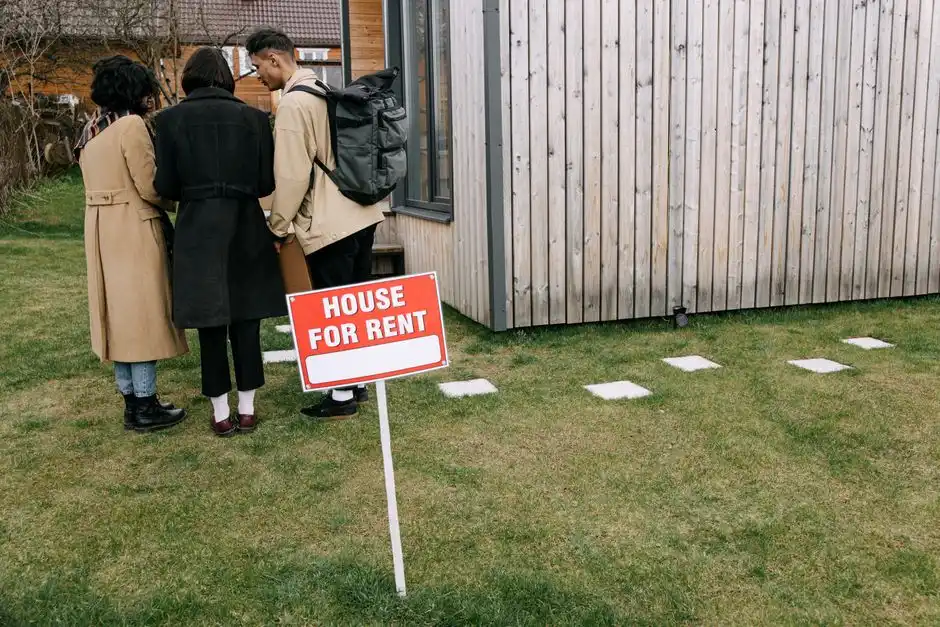
Group of adults viewing a wooden house with a 'House for Rent' sign on the lawn.
Licensed Licensed & Bonded
Fully Insured Insured & Bonded
24/7 Emergency Same-Day Response
Warranty Backed Workmanship Guaranteed in Raleigh

What Rental Mold Inspection Includes

A standard rental inspection includes a review of the reported concern, visual assessment of accessible areas, moisture checks, and a clear account of observed conditions. We recommend sampling only when it answers a specific question. Laboratory analysis, invasive opening of finished walls, remediation, and repair work are separate services; we explain when each is relevant so you can choose the next step with the facts in hand.

Reported-Area Review

We inspect the room or building area named by the tenant or property manager, then check nearby surfaces that could share a moisture path. The review covers visible growth, staining, odor, condensation, and accessible finishes. You receive a location-specific description rather than a general statement about the entire property.

Moisture Readings

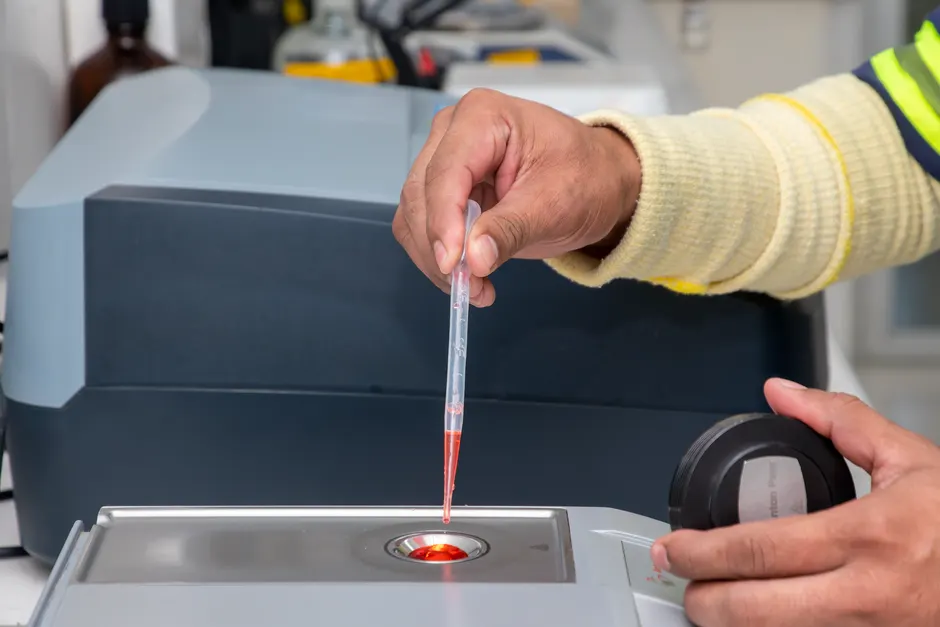
We take readings on suspect materials and compare them with nearby areas where appropriate. Readings help identify moisture patterns; they do not independently prove mold. We explain the material and location measured, and note any limits caused by coverings, access, or building construction.

Targeted Sampling Options

If testing is warranted, we identify whether an air or surface sample best addresses the concern. We record sample points and send collected material for laboratory analysis. Sampling is not included automatically in every inspection, because a visible leak or wet material may call for source correction first.

Findings and Next Steps

You receive a report of inspected areas, observed conditions, readings, and laboratory results when samples are collected. Recommendations focus on the next practical action, such as repairing a leak, drying materials, or arranging additional evaluation. The report also identifies areas that could not be inspected.

Rental Property Mold Inspection Raleigh NC


Rental Property Mold Inspection Raleigh NC is a property condition inspection that identifies visible mold, moisture sources, and locations that warrant sampling in a rental home. We review reported symptoms, inspect accessible rooms and building materials, and use moisture readings to follow clues behind musty odors, staining, or recurring condensation. When sampling is appropriate, we collect air or surface samples and arrange laboratory analysis. You receive findings tied to observed conditions, not a guess based on color alone, so you can prioritize repairs and communicate clearly with occupants.

Raleigh's humid summers, heavy rain, and periods of winter condensation can expose weak points around roofs, plumbing, crawl spaces, bathrooms, and HVAC equipment. A slow supply-line leak behind a vanity or water intrusion at a window can stay hidden until a tenant reports an odor. Our mold inspection for rental homes Raleigh NC service checks the affected area and related moisture paths. For a mold assessment for a Raleigh rental property, we also consider occupancy, recent repairs, and whether the concern appeared after a leak or storm.

What to Expect During Inspection

Rental property mold inspection in Raleigh starts with the reported concern and ends with findings you can act on. We coordinate access with you or your property manager, inspect the affected area, and explain any proposed sampling before collecting it. A straightforward single-unit visit often takes about 2 to 4 hours; larger homes or multiple units need more time.

01

Schedule

Call or book online — a real human picks up and confirms a 2-hour arrival window.

02

Diagnose

Licensed tech inspects on-site, then walks you through the cause and your options.

03

Fix

The job is completed to code and done right the first time — no shortcuts, no surprises.

04

Guarantee

Every job backed by a written workmanship warranty — and we stand behind it.

Tools and Inspection Methods

Tools & Equipment

Protimeter moisture meters

We use pinless and pin-type moisture meters to compare suspect building materials with nearby areas. The readings help locate dampness and guide follow-up, but we interpret them according to material and inspection conditions.

FLIR thermal imaging camera

Thermal imaging highlights surface temperature patterns that can point toward a leak, insulation gap, or condensation concern. We verify the image with direct inspection and moisture readings; a thermal image alone does not confirm mold.

Air sampling pump and cassette

When air testing is appropriate, a calibrated pump draws a measured air volume through an Air-O-Cell cassette. We document the location and sampling conditions so results can be compared and interpreted in context.

Hygrometer

A hygrometer measures indoor relative humidity and temperature during the inspection. Those readings help us assess conditions that contribute to condensation, especially near windows, exterior walls, and bathrooms.

Sterile swabs and tape-lift kits

We use sterile swabs or tape-lift sampling slides to collect material from a specific suspect surface when identification is useful. Each sample is tied to its location and submitted for laboratory analysis.

Methods & Standards

Moisture mapping

We compare readings across a suspect area and nearby reference materials to identify where moisture is concentrated. The pattern helps direct inspection toward a plumbing connection, window edge, roof stain, or other likely source. We record the material and location because readings are meaningful only with that context.

Visual inspection with targeted sampling

We first assess visible conditions and the history of the reported issue, then sample only when a test can address a defined question. Surface samples are collected from specific suspect material; air samples are taken at selected locations under documented conditions. Results are interpreted alongside moisture and building observations.

Building-condition assessment

We consider humidity, temperature, ventilation, water history, and accessible building materials as a connected set of clues. EPA mold guidance informs practical discussion of moisture control and cleanup, while the report distinguishes observations from any conclusions that require laboratory results or additional access.

When to Book an Inspection

01

A tenant in a Glenwood South apartment reports a musty closet after a bathroom supply-line leak.

What we do: We inspect the closet, adjoining bathroom wall, and accessible plumbing area, then compare moisture readings across affected and nearby materials. If the area is dry but the odor persists, we explain whether a targeted surface or air sample can answer the remaining question.

→ You get a documented account of the affected area and a repair or follow-up plan tied to observed moisture, not just the tenant's description.

02

A North Raleigh landlord needs a unit checked after a roof repair and before the next lease begins.

What we do: We examine the ceiling stain, nearby finishes, and accessible attic space where entry is safe. Readings help show whether materials remain damp; visible conditions and any sample results are documented separately so you can decide whether drying or further repair is needed.

→ The owner has a condition record for turnover and can address unresolved moisture before the incoming tenant takes possession.

03

A property manager in Oakwood receives repeated reports of window condensation during colder weather.

What we do: We check affected window edges and adjacent finishes, measure indoor humidity, and look for signs of water damage or growth. We also consider whether the pattern is limited to cold surfaces or appears connected to a leak, so recommendations address the likely cause.

→ You can distinguish a humidity and condensation concern from concealed water intrusion and assign maintenance to the right corrective work.

04

A rental owner wants documentation after remediation but before closing a maintenance ticket.

What we do: We inspect the defined work area for visible residue, remaining moisture, and signs that the original source persists. When the agreed criteria call for testing, we collect samples from documented locations and review laboratory findings with the inspection observations.

→ The property file records whether the work area is ready for normal use or needs additional correction and verification.

How Raleigh Rental Inspections Work

Raleigh's humid summers can keep indoor moisture elevated, while cold snaps in winter can bring condensation to windows and exterior walls. Heavy rain can expose roof flashing, siding, or drainage problems; older houses and converted properties may also have layered repairs that complicate leak tracing. We inspect what is accessible, compare suspect materials, and record conditions rather than assuming every stain has the same cause. For a tenant property mold evaluation Raleigh, we coordinate entry with the owner or manager and focus on the room and connected moisture paths. If you need a mold assessment for a Raleigh rental property after a storm or plumbing leak, we check the reported area and nearby finishes, then explain what needs correction and whether testing adds useful evidence. Raleigh service includes Wake County neighborhoods and ZIP codes 27617, 27616, and 27614. We work around occupied units, document access limitations, and keep recommendations tied to the property findings.

Neighborhoods We Serve

  • Five Points

    Older homes and converted rentals can have previous repairs or layered finishes, so we document accessible conditions and check whether a stain has a current moisture signature.

  • North Raleigh

    Rental homes with attached garages, upper-floor bathrooms, and roof valleys can show distinct leak paths. We compare the reported area with nearby materials before recommending a repair focus.

  • Oakwood

    Historic building materials and room additions can make moisture patterns less straightforward. We note material types and limits where concealed construction cannot be inspected without opening finishes.

  • Downtown Raleigh

    Apartments and multi-unit buildings require clear coordination around unit access and shared walls. We identify the inspected unit and distinguish its findings from uninspected neighboring spaces.

Local Conditions We Plan For

  • Humid summer air increases condensation and indoor moisture loads

    Bathrooms, closets, and exterior-wall surfaces can stay damp when ventilation is weak or cooling conditions create cold surfaces. We check humidity and material readings together so recommendations address the room condition as well as any leak.

  • Heavy rain tests roofs, windows, and exterior wall openings

    Water can travel from its entry point before appearing as an interior stain, so the visible mark may not sit directly below the source. We map accessible moisture clues and identify where exterior repair follow-up is warranted.

  • Winter cold creates window and wall-surface condensation

    Repeated condensation can discolor trim or support surface growth without a plumbing leak. We compare humidity, temperature, and material conditions to help distinguish condensation from water intrusion and target the right maintenance response.

Recurring Kitchen Sink Odor

Before

A tenant reported a musty odor below the kitchen sink, and the cabinet had been wiped down twice. The owner could not tell whether a small supply-line leak had stopped or whether the wall behind the cabinet remained damp. No moisture readings or sample locations had been recorded.

After

Inspection found elevated moisture concentrated at the cabinet base and a dry reading on the adjacent reference surface. A targeted follow-up confirmed the plumbing connection needed repair; the report documented three checked locations and the area requiring drying. The owner had a repair target instead of another round of surface cleaning.

Maintenance: After the repair, check the cabinet base and supply connections within 24 to 48 hours for active dampness. Keep the cabinet open while materials dry, then arrange follow-up if odor or staining remains.

Before

A Raleigh rental had a brown ceiling mark that returned after repainting. The tenant noticed a faint odor during wet weather, but the owner had no record of moisture levels or whether the attic above the room showed related signs.

After

The inspection recorded readings at four ceiling locations and compared them with a dry section nearby. The stain area showed a distinct moisture concern, while the accessible attic inspection identified a roof-side area for contractor review. The owner received a documented path for repair and later verification.

Maintenance: After roof work, check the ceiling and attic-side materials again after the next significant rain. Do not repaint until readings are stable and the source has been corrected; document any new staining with a photo and date.

Before

Before a new lease, a property manager noticed spotting near a bathroom exhaust fan. The previous tenant had reported lingering humidity, but the room had been cleaned and no one had checked the surrounding ceiling or indoor conditions.

After

Inspection documented the visible area, measured humidity, and checked nearby ceiling material and accessible fan surroundings. A surface sample was collected from one suspect point, and the report separated the laboratory result from moisture observations. The manager had a clear list of ventilation and cleaning follow-up before closing turnover.

Maintenance: Keep the exhaust fan operating during bathing and for about 20 minutes afterward, and check that it moves air outdoors. Reinspect the ceiling edge after two weeks of normal use if spotting or odor returns.

Resolve Rental Mold Concerns Early

A tenant complaint can point to anything from surface condensation to concealed water intrusion. We inspect the property condition, trace moisture clues, and help you determine what needs immediate attention. A focused assessment is particularly useful when an odor persists after a repair or visible growth returns after cleaning.

Problem

Musty odor continues after a plumbing leak was repaired

Odor can persist when wet materials remain behind cabinets or finishes, leaving tenants concerned and maintenance unsure whether the repair resolved the source.

Our Fix

We inspect the original leak area and adjoining materials, take moisture readings, and check for visible growth or continuing dampness. If a concealed space remains a concern, we explain the limits of accessible inspection and whether a borescope or further evaluation is appropriate. You receive a practical sequence for drying, repair, and follow-up.

Problem

New tenant reports spotting before move-in is complete

Without a documented check, an owner may not know whether the mark is old, active, or connected to a moisture problem that needs correction before occupancy.

Our Fix

We photograph and describe the reported area, check nearby materials for moisture, and identify likely sources such as a window, roof, or plumbing fixture. A landlord mold inspection before tenant move-in Raleigh NC gives you findings to guide any cleaning or repairs and supports a clear turnover record.

Problem

Water stain returns on a ceiling after heavy rain

Repeated staining can signal unresolved roof or wall intrusion, and repainting alone can hide continuing moisture while damage spreads into adjacent materials.

Our Fix

We inspect the stain and accessible areas above or around it, compare moisture readings, and consider the timing of rain and past repairs. Thermal imaging can help locate temperature patterns for follow-up, but we verify clues with direct readings. The report identifies where a roofer or repair contractor should investigate.

Problem

Occupants notice an odor only when the HVAC runs

A system-related odor can affect multiple rooms and prompt repeat complaints if the source is not checked alongside filters, condensate, and nearby moisture.

Our Fix

We review accessible HVAC components and surrounding surfaces, check humidity and moisture conditions, and look for visible contamination or water accumulation. If the concern calls for it, we discuss targeted air or surface sampling. You get findings that help distinguish an HVAC maintenance issue from a broader building moisture problem.

Practical Benefits for Rental Owners

Practical Benefits for Rental Owners

A focused inspection gives you a documented starting point instead of relying on a tenant's description or a quick visual glance. We connect visible conditions with moisture readings, explain what needs attention first, and help you decide whether sampling adds useful evidence. The goal is a clear next step for the property, the occupant, and your maintenance records.

  • Find Moisture Earlier

    We check stains, soft finishes, plumbing areas, window edges, and other likely moisture paths before you authorize broad repairs. A pinless moisture meter helps map a larger surface without puncturing it; a pin-type meter checks a specific material when a closer reading is useful. That distinction helps you narrow a repair area rather than opening walls without a reason.

  • Document Tenant Concerns

    A Raleigh rental home mold check gives you a dated record of inspected locations, observed conditions, moisture readings, and any samples collected. If a tenant reports a musty odor or visible spotting, you can respond with findings connected to the actual room and material. Clear documentation also helps property managers coordinate maintenance across several units.

  • Guide Targeted Repairs

    We identify whether the concern points toward a plumbing leak, roof or wall intrusion, condensation, or another moisture source. Your repair team can use those findings to address the cause before cleaning or replacing finishes. If testing is recommended, results help distinguish a localized surface issue from a concern that warrants broader investigation.

  • Support Safer Turnovers

    Before a new lease begins, an inspection can check a reported leak area, bathroom, or HVAC concern while the unit is accessible. A landlord mold inspection before tenant move-in Raleigh NC can document visible conditions and moisture readings, then identify repairs that should be completed before occupancy. We explain any limits where concealed materials were not opened.

Inspection Standards and Training

Licensed & Certified

  • ACAC Council-certified microbial investigator credentials — issued by American Council for Accredited Certification
  • ACAC Council-certified indoor environmental consultant credentials — issued by American Council for Accredited Certification
  • IICRC Water Restoration Technician certification — issued by Institute of Inspection, Cleaning and Restoration Certification
  • IICRC Applied Microbial Remediation Technician certification — issued by Institute of Inspection, Cleaning and Restoration Certification

Verified Reviews

Google ★★★★★4.9

The inspector checked the tenant's reported bedroom wall and the nearby window instead of treating the stain as an isolated spot. We received moisture readings, clear photos, and a short list of what our contractor needed to check. That made it easier to coordinate the repair and update our Raleigh property records.

Yelp ★★★★★5.0

We booked an inspection after a bathroom leak in our rental. The technician explained why the cabinet area needed a moisture check and why an air sample was not necessary at that point. The report was direct, identified the damp material, and gave us a practical order for repair and follow-up.

Google ★★★★★4.8

Our property manager needed a pre-move-in check after a tenant mentioned an odor in the upstairs unit. The inspection covered the ceiling stain, accessible attic area, and nearby finishes. We appreciated that the report noted what could not be seen as well as the readings and recommended next step.

Inspection Knowledge That Holds Up

Rental Property Mold Inspection Raleigh NC calls for careful observation, appropriate instruments, and restraint about what a test can prove. Our local experience includes tenant reports, turnover checks, leak investigations, and post-remediation questions in Raleigh properties. We use established inspection practices and explain the limits of visual review and sampling. Where applicable, relevant training includes ACAC Council-certified microbial investigator credentials, ACAC Council-certified indoor environmental consultant credentials, and IICRC training for water restoration or microbial remediation. We do not treat a single air result as a complete diagnosis; the building history and moisture source matter.

  • We interpret moisture readings alongside material type, room conditions, and the history of leaks instead of relying on one instrument reading.
  • ACAC Council-certified microbial investigator credentials support structured inspection and evidence-based decisions about when sampling is useful.
  • IICRC Water Restoration Technician training informs our evaluation of post-leak and post-flood conditions in rental units.
  • We document sample locations and chain-of-custody details so laboratory results remain tied to the specific property concern.
  • Our reports separate visible conditions, measured moisture, laboratory findings, and recommendations for a clear maintenance record.
Get Started Today
Inspection Knowledge That Holds Up

Rental Mold Inspection Questions

Real answers to the questions we hear most often from local homeowners and property managers.

How much does a rental property mold inspection cost in Raleigh?
A single-unit inspection commonly costs $250 to $650 in 2026, with laboratory sampling often adding $75 to $150 per sample. The price depends on property size, number of affected rooms, access, and whether testing is needed. A moisture-only investigation costs less than a multi-room inspection with several samples. We explain the price before work begins, then connect each recommended step to a specific question about your Raleigh rental.
When should a landlord arrange a mold assessment?
Arrange an assessment within 24 to 48 hours after discovering active water intrusion, visible growth, or a persistent musty odor. Prompt inspection helps identify wet materials before the affected area expands. Schedule another check after a roof, plumbing, or HVAC leak has been repaired, especially if staining or odor remains. For routine turnover, inspect any previously affected area before the next tenant moves in.
Can a tenant request a rental home mold inspection in Raleigh NC?
Yes, a tenant can report a concern and request that the landlord arrange an inspection; access and scheduling should be coordinated with the property owner or manager. If you are a tenant, document the location, date, odor, and any visible water or growth, then notify the responsible contact. A tenant property mold evaluation Raleigh can focus on the reported room and related moisture sources, with findings shared according to the agreed access and reporting arrangement.
What does a rental property mold inspection report include?
A report records the property areas inspected, visible conditions, moisture observations, sample locations, laboratory results when testing is performed, and recommended next steps. It also identifies limitations, such as sealed cavities that were not opened. For a mold assessment for a Raleigh rental property, we connect findings to practical actions, such as correcting a leak, drying material, or arranging additional evaluation, rather than presenting a lab result without building context.

Related Property Inspection Services

Residential Mold Inspection

Use this service when a rental concern extends beyond one unit or you need a broader home inspection. We check accessible rooms and moisture pathways, then explain whether testing is useful. It complements a rental inspection by addressing whole-home conditions that can affect occupants and maintenance planning.

View Residential Mold Inspection

Commercial Mold Inspection

For offices, retail spaces, and mixed-use buildings in Raleigh, commercial inspection evaluates larger or differently occupied properties. We consider reported areas, building operations, and access needs. Owners managing residential and commercial assets can use findings to coordinate repairs across distinct property types.

View Commercial Mold Inspection

Mold Testing and Sampling

When visual inspection and moisture readings leave a specific question unanswered, targeted sampling can provide additional evidence. We select air or surface methods based on the location and purpose, then connect the laboratory result to the rental property's conditions rather than treating a sample as a standalone diagnosis.

View Mold Testing and Sampling

Air Quality Testing for Mold

Air sampling can help investigate airborne particles when a tenant reports an odor or symptoms and the source is not obvious. We document sampling locations and conditions, then interpret results alongside the inspection. It is an add-on when the question calls for it, not a substitute for tracing moisture.

View Air Quality Testing for Mold

Surface Mold Testing

A tape-lift or swab sample can help identify material on a specific suspect surface. This is useful when appearance alone cannot distinguish residue from fungal growth or when documentation is needed. We record the precise sample location so results stay relevant to the unit and repair decision.

View Surface Mold Testing

Indoor Air Quality Assessment

If occupants report broader indoor air concerns, an assessment looks beyond one visible patch to ventilation, humidity, and potential particle sources. For a rental property, this wider review can help determine whether the issue is localized or connected to room conditions or building operation.

View Indoor Air Quality Assessment

Schedule Rental Mold Inspection Raleigh NC

A recurring odor, water stain, or tenant report deserves a documented inspection before repairs are closed out. Raleigh Mold Testing serves rental properties across Wake County, NC. Call us at +18668968166 to discuss the affected unit and arrange the next step.

Call Our Team Schedule Inspection

Contact Raleigh Mold Testing

Tell us what you noticed, where it is happening, and whether there has been a recent leak or cleanup. Call +18668968166 to discuss Mold Inspection and Testing in Raleigh, NC. Our phone line is open Monday through Friday, 08:00 to 18:00; we respond during business hours and help you identify the right next step for your property.

Or call us right now at +18668968166 — we answer.

Raleigh Mold Testing


  • Phone

    +18668968166
  • Address

    Raleigh, North Carolina

  • Hours

    Mon–Fri: 7AM – 7PM
    Sat: 8AM – 4PM
    Sun: Emergency Only
    24/7 Emergency Available

Call +18668968166 Get Quote
Call Quote