
North Carolina State University
The university is a central orientation point for the Hillsborough Street area. A property address and entrance remain necessary because campus destinations span multiple streets and buildings.

Mold Inspection and Testing in Hillsborough Street is an indoor environmental inspection that identifies moisture conditions and evaluates suspected mold when odors, visible growth, or water damage raise concern. Raleigh Mold Testing works across University Park, Fairmont, Cameron Park, and Wade, where student housing, apartments, and older homes create very different inspection needs. Near North Carolina State University, high occupancy and shared ventilation make it important to identify the affected room and likely moisture source rather than guess from an odor alone.
Our mold inspector in Hillsborough Street begins with a visual review, moisture readings, and questions about leaks, storms, plumbing, and ventilation. A pinless moisture meter helps screen broad areas; a pin-type meter checks a specific material when access permits. We use a thermal imaging camera to locate temperature patterns that warrant closer investigation, not to declare mold by itself. If sampling is useful, we collect air or surface samples and submit them to an accredited laboratory.
You receive a report that connects observations, readings, sample results where ordered, and recommended next steps. We explain what the evidence shows in plain language, whether you manage a rental near Cates Avenue or own an older home toward Southwest Raleigh. The goal is a useful decision, not a page of unexplained readings.
Mold concerns here range from a bathroom leak in an older home to musty air in a high-occupancy apartment. We match the inspection to the question: locate moisture, assess visible conditions, or collect samples when results would help guide a decision. If you need mold testing for a home in Hillsborough Street NC, we look at the affected materials and adjacent rooms before choosing air or surface sampling. You get a documented finding rather than a test chosen without context.
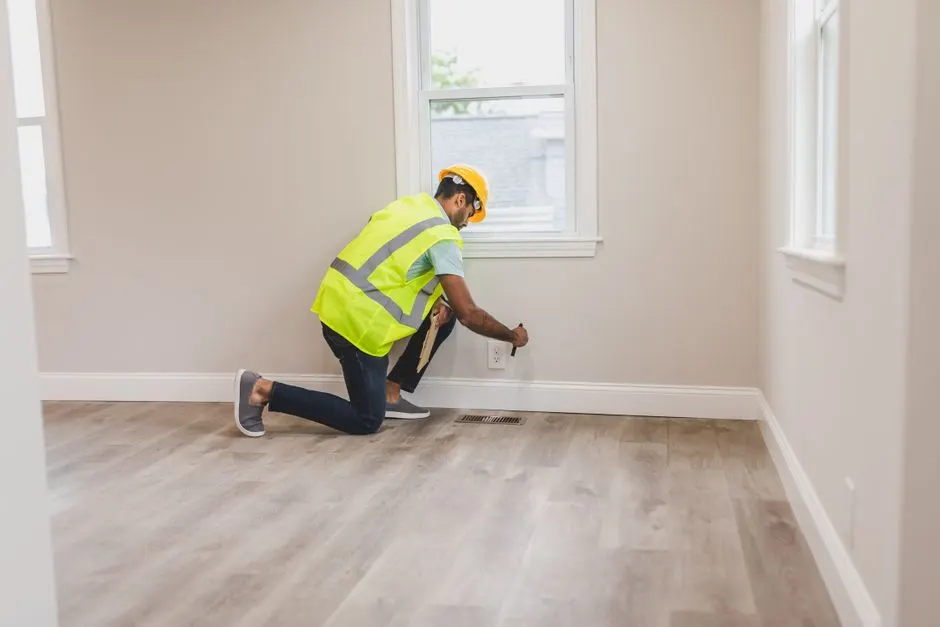


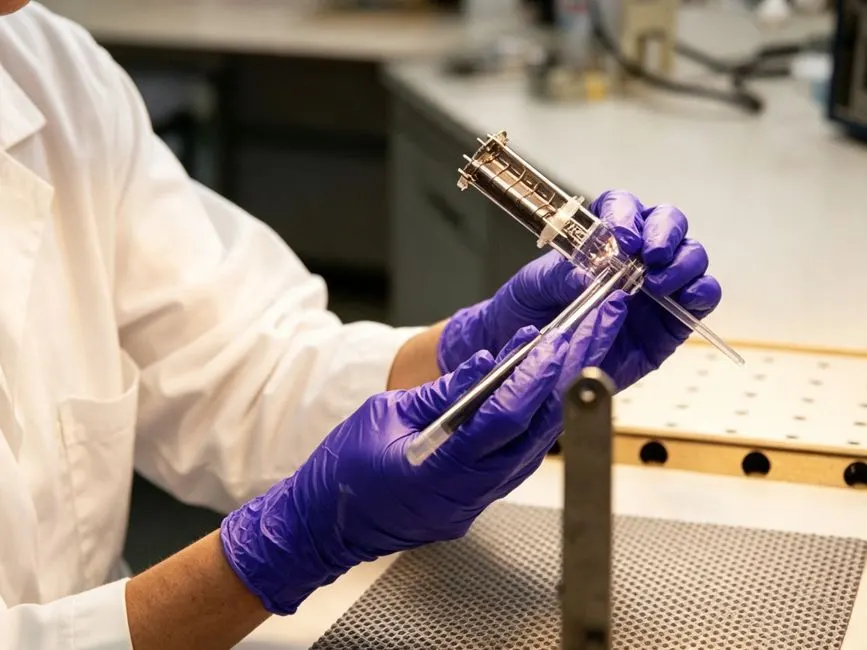
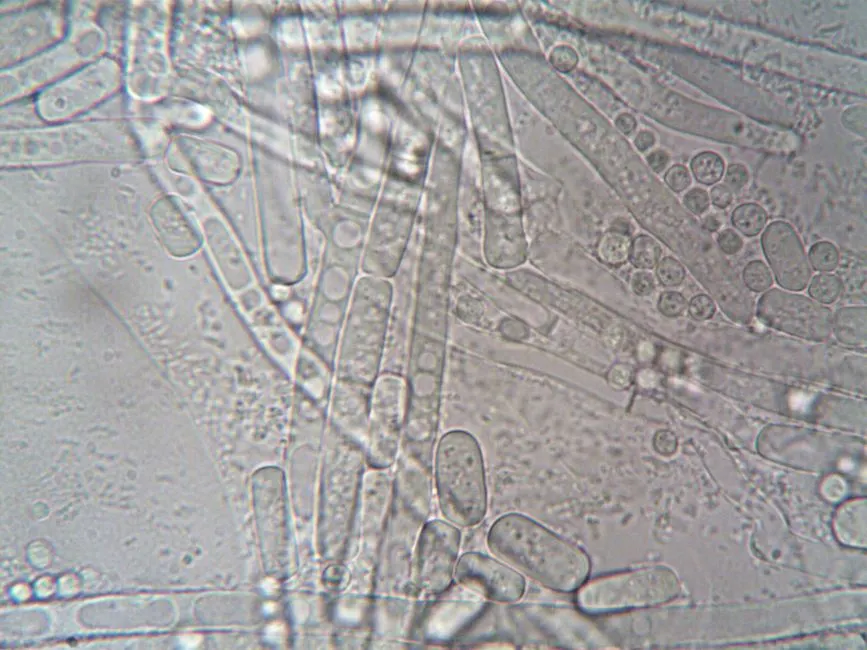


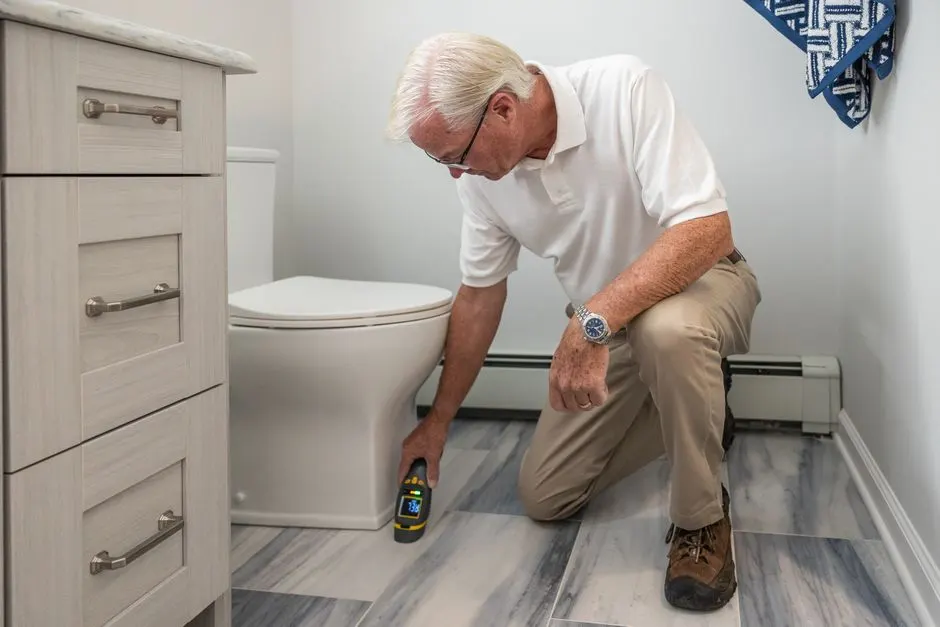
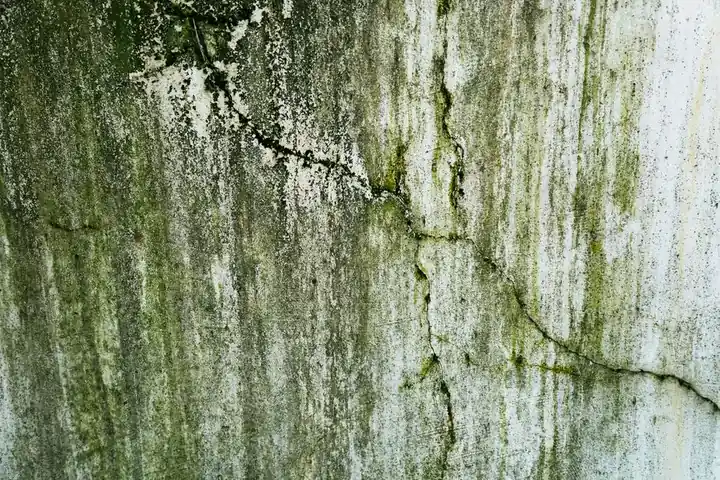
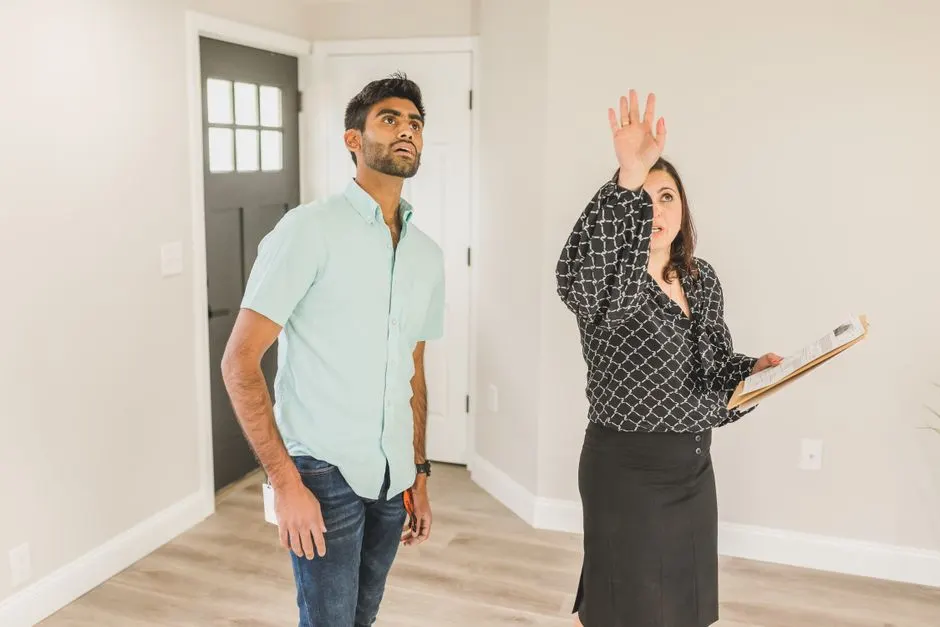

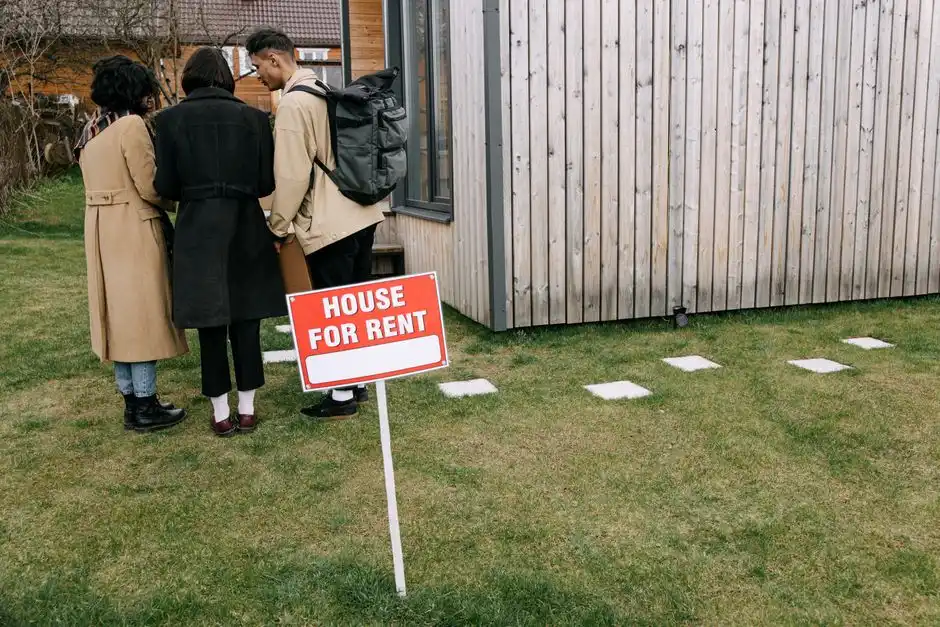
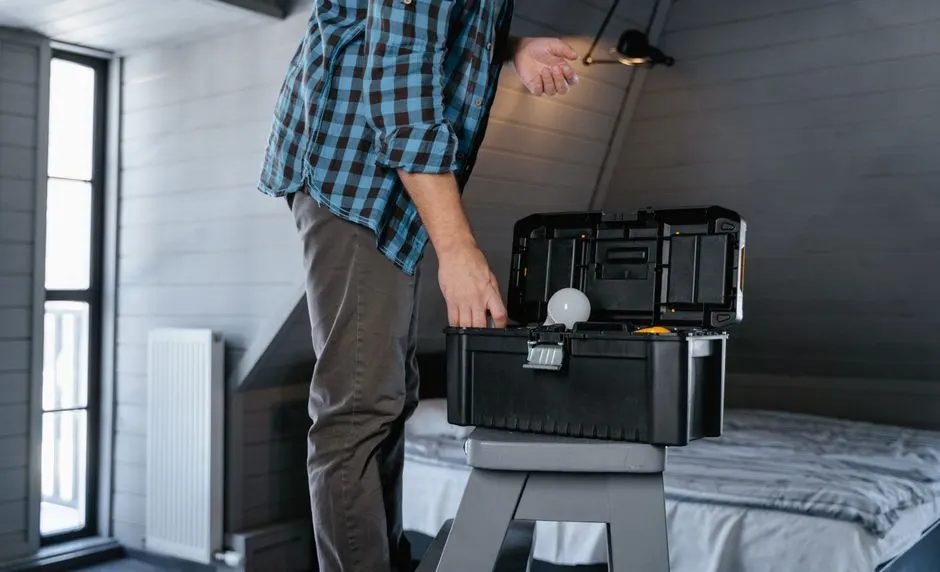
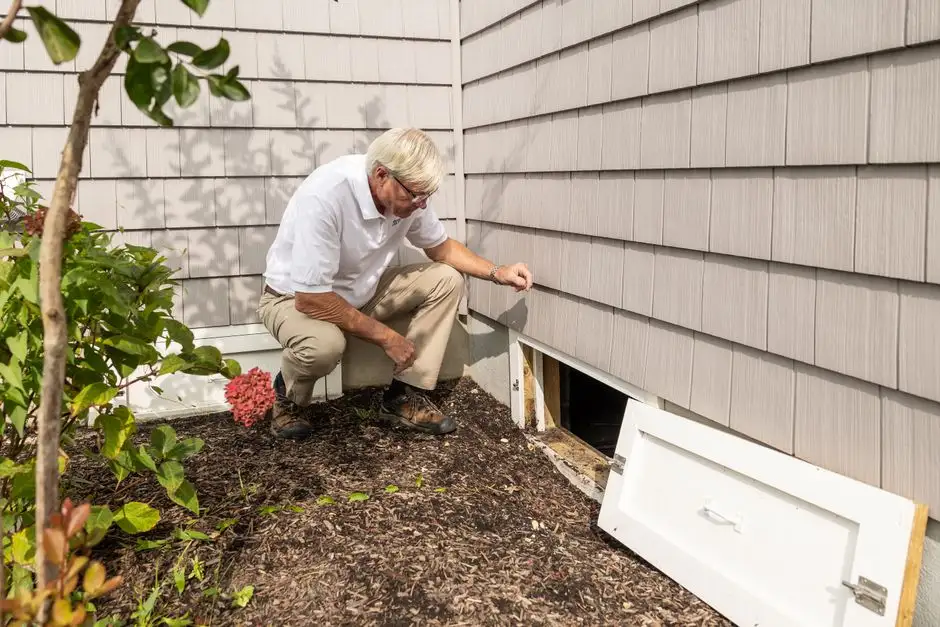
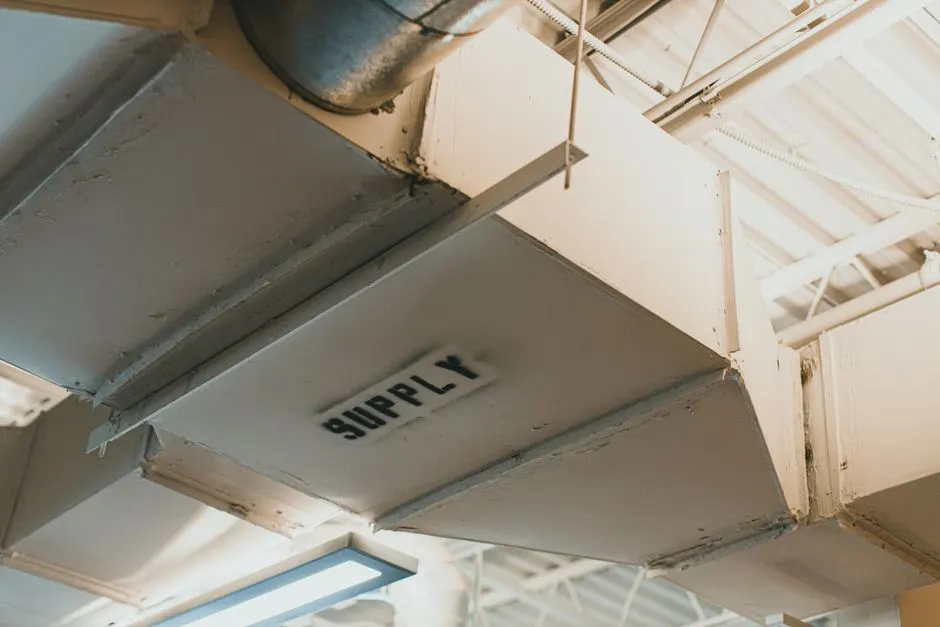
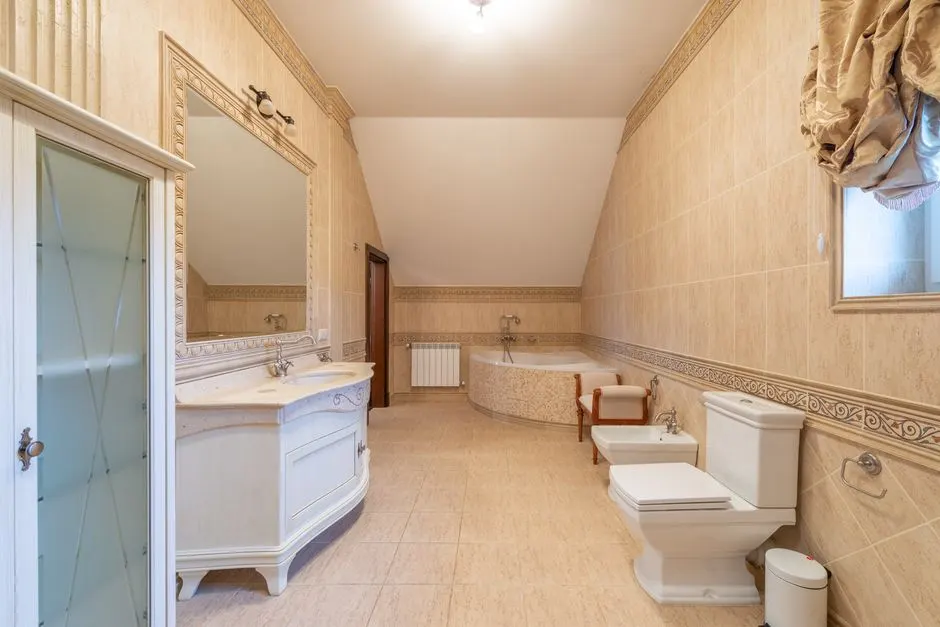


Hillsborough Street properties combine apartments, student housing, and older homes, so moisture concerns vary from bathroom leaks to roof entry and condensation. Warm humid weather and heavy rain increase the need to check windows, exterior walls, and roof transitions after water appears. Aging plumbing and building-envelope details can complicate a visual review. We approach each Hillsborough Street mold inspection and testing request by looking for the moisture condition first, then matching sampling to the remaining question.
Older plumbing connections and sink fittings can leak slowly into cabinet bases or wall cavities. In rentals, the first sign may be a musty smell or swollen trim rather than a visible puddle. Repeated dampness gives materials little chance to dry between uses.
Wind-driven rain can enter around roof penetrations, flashing, windows, or exterior joints when a building detail has failed. Water may travel before appearing as an interior stain. Older homes around the service area can have repair histories that make the original path less obvious.
Warm, humid conditions combined with cooled indoor surfaces can create condensation, particularly when ventilation is limited or occupancy is high. Repeated wetting of a sill, frame, or nearby wall can damage finishes and support visible growth if drying is poor.
In busy housing, doors, returns, and shared air pathways can make a smell seem to move from one room to another. Occupant reports may differ, and a suspected HVAC issue can overlap with a localized damp material problem.
Book an inspection when a musty odor persists, visible growth returns after cleaning, or a leak has left materials damp. In Hillsborough Street apartments and older homes, a small stain near plumbing or a roof edge can hide a broader moisture path. If you need mold inspection for water damage in Hillsborough Street, tell us when the leak occurred, which rooms were affected, and whether drying equipment was used. That history helps us focus the visit.
Musty odor returns after airing out rooms
A recurring odor can point to damp material or a hidden moisture source, especially if it is stronger near a closet, bathroom, or shared wall. Ventilation may reduce the smell temporarily without correcting the cause. We inspect nearby surfaces and take moisture readings before deciding whether sampling is useful.
Dark spots reappear on bathroom grout or drywall
Repeated visible mold growth suggests the surface remains damp or the cleaning did not address the conditions supporting it. Check nearby caulk, plumbing connections, and adjoining walls. If the area is expanding or drywall feels soft, arrange an inspection and address any active leak promptly.
Window condensation persists on cold mornings
Condensation on windows and cold surfaces can keep trim or nearby drywall damp. It may reflect indoor humidity, temperature differences, or another moisture source; appearance alone does not establish mold. We measure indoor humidity and inspect the affected materials to separate a surface pattern from water intrusion.
Ceiling stain grows after heavy rain
A growing ceiling stain can indicate water intrusion through a roof or wall, and wet insulation or framing may not be visible from the room. Stop the water entry through the appropriate repair trade and document when the stain changes. We inspect accessible areas and record moisture conditions.
Several rooms smell musty when HVAC runs
An odor that appears when the system runs raises questions about shared air pathways, damp filters, or a moisture issue near accessible HVAC components. It does not prove the ductwork contains mold. We inspect accessible areas, note room patterns, and recommend sampling only if it helps answer the concern.
Landmarks help distinguish the Hillsborough Street address from nearby residential streets when we plan a visit. North Carolina State University and Hunt Library are useful orientation points for the campus area, while Pullen Park and the Raleigh Rose Garden help identify nearby destinations on the west side. Cates Avenue provides another familiar street reference. These are navigation cues only; we confirm your exact property address, entrance, and parking instructions before the inspection.
The university is a central orientation point for the Hillsborough Street area. A property address and entrance remain necessary because campus destinations span multiple streets and buildings.
Hunt Library is a recognizable campus landmark that helps place an address in the university area. We use it only as a general navigation reference, not as a service location.
Cates Avenue is a named street near the Hillsborough Street area and can help clarify which side street or entrance serves a property. The full address is still the best routing detail.
Pullen Park is a public park near the west Raleigh area and offers a familiar orientation point when describing nearby streets. It helps with general route planning, not with determining the cause of a building moisture issue.
Plus surrounding Wake County neighborhoods, with same-day routing on most appointments.
Averaging 4.9 / 5 across verified reviews.
“We had a musty smell in our University Park rental after a bathroom leak. The inspector checked the wall and nearby rooms instead of taking a sample at random, and explained each moisture reading. The report named the areas that needed repair follow-up and made it easier to update our property manager. The visit took about two hours.”
Jamie R.
University Park
“Our Fairmont home had condensation around two windows and a stain we could not explain. The inspection separated the damp window area from the old mark in the closet. We appreciated having the readings and photos in one report, plus a plain explanation of what sampling would and would not tell us.”
Morgan T.
Fairmont
“We needed a post-remediation check for an apartment near Hillsborough Street. Raleigh Mold Testing reviewed the defined work area, collected the agreed samples, and documented the results with clear room labels. That gave us a useful record for the owner and residents instead of a vague verbal update.”
Alex P.
Hillsborough Street
As November moves into winter, watch for condensation on cold windows and for small leaks that become more noticeable when rooms stay closed. Spring storms and summer humidity bring different moisture patterns, while fall rain can reveal roof or wall entry. Across the year, warm humid weather and heavy rain can increase moisture risks in apartments and older homes. If you need same-day mold inspector near Hillsborough Street, tell us whether water is active and which materials are wet so we can prioritize the right inspection.
Spring rain can expose roof and wall leaks, while changing temperatures can leave condensation around windows. In Hillsborough Street homes, check ceilings and exterior-facing walls after storms, especially where previous staining or repairs are visible.
Tip: Photograph new stains and note whether they grow after rain. If water is entering, arrange a repair first and call us to document the affected interior materials.
Summer humidity can raise indoor moisture, particularly in busy apartments with frequent cooking and bathing. Air conditioning cools surfaces, so condensation may form where ventilation is poor or a cold surface meets humid air.
Tip: Use bathroom exhaust during and after showers, and report persistent dampness rather than covering it with paint. We can check humidity and the nearby materials.
Fall storms can reveal weak roof details and window seals before cooler weather arrives. A leak may show as a small ceiling mark first, while moisture remains in insulation or wall materials beyond the visible area.
Tip: After a storm, check ceilings and window trim for changes. Keep a short record of when a stain appears; that timing helps us focus the inspection.
Winter brings cooler surfaces and closed windows, making condensation more noticeable on glass, frames, and exterior corners. Indoor humidity can remain elevated in occupied apartments, and a small plumbing leak may be easier to smell when rooms are shut.
Tip: Wipe recurring condensation, keep air moving, and report damp trim or a returning musty odor. If water is active, stop the source before arranging mold sampling.
Hillsborough Street is part of our wider Raleigh service area, and we also take inspection calls from nearby districts. A property manager with buildings in more than one neighborhood can use the same inspection process while we tailor the route and scope to each address. We serve Raleigh, North Carolina, including the surrounding areas listed here; call with the property's location and the concern you need checked.
(City)
Downtown Raleigh sits east of the Hillsborough Street area, with a direct local connection for customers managing properties in both districts.
View Downtown Raleigh(City)
North Raleigh is a broader Raleigh service area north of Hillsborough Street; inspection scheduling is based on the address and reported concern.
View North Raleigh(City)
Northeast Raleigh is included in our Raleigh coverage, extending service beyond the Hillsborough Street and university-area route.
View Northeast Raleigh(City)
Northwest Raleigh is another part of the same city service region; we plan visits by property address and access requirements.
View Northwest Raleigh(City)
East Raleigh lies across the broader city from Hillsborough Street and remains within our listed service coverage.
View East Raleigh(City)
Southeast Raleigh is served as part of our wider Raleigh coverage for residential and commercial inspection requests.
View Southeast RaleighReal answers from our team for the questions we hear most often before a job starts.
If a leak, musty odor, visible growth, or recurring condensation is affecting your Hillsborough Street home or rental, call Raleigh Mold Testing at +18668968166. We will ask what you have noticed, identify the affected rooms, and arrange an inspection focused on moisture evidence and the right next step. Same-day appointments are available when routing and access allow. Call now to discuss the property and schedule your visit.
Tell us what you noticed, where it is happening, and whether there has been a recent leak or cleanup. Call +18668968166 to discuss Mold Inspection and Testing in Raleigh, NC. Our phone line is open Monday through Friday, 08:00 to 18:00; we respond during business hours and help you identify the right next step for your property.
Phone
+18668968166Address
Raleigh, North Carolina
Hours
Mon–Fri: 7AM – 7PM
Sat: 8AM – 4PM
Sun: Emergency Only
24/7 Emergency Available